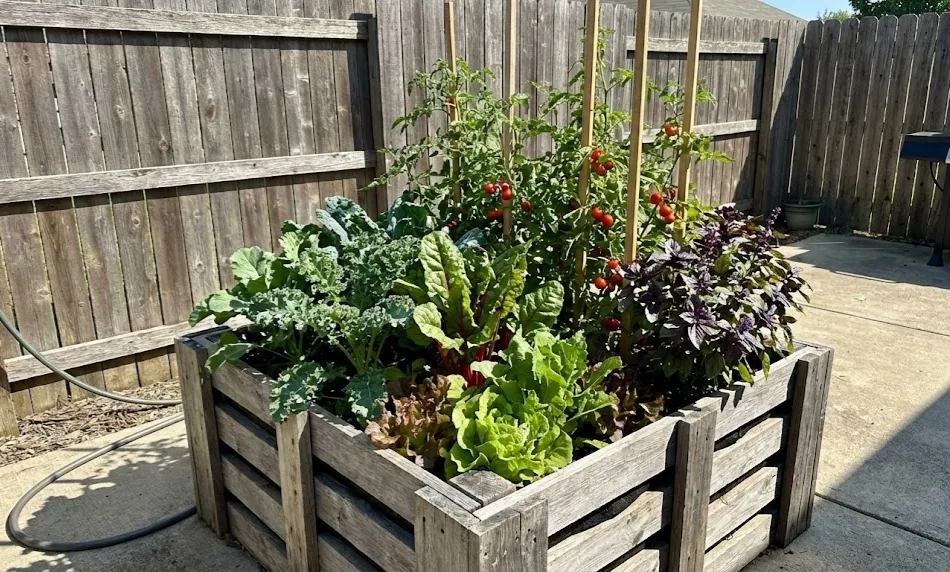
You just finished building that pallet raised bed in your backyard, and now you’re staring at empty soil wondering what to actually plant. The wrong choices mean wasted space, sad harvests, and all that pallet-hauling effort going nowhere.
The secret? Match shallow-root champions to your bed’s depth, pack them strategically, and let companion planting do the heavy lifting. Here’s exactly what thrives in those tight 8-12 inch pallet boxes—and what you should skip entirely.
Why Pallet Raised Beds Need Specific Plant Choices
Depth dictates everything. A single-layer pallet bed gives you 8-12 inches of soil—perfect for shallow root plants, but a death sentence for deep feeders like full-sized tomatoes or carrots. Those need 18-24 inches minimum, and Reddit forums are packed with frustrated gardeners posting photos of stunted carrots that look like orange thumbs.
Raised beds warm soil 5-10°F faster than ground plots, which means you can start cool crops like arugula and spinach 2-4 weeks earlier in most US zones. But that same warmth scorches lettuce by July if you don’t plan succession planting.
Your bed size matters for spacing. A standard 4×4 pallet bed holds roughly 10-12 tight-planted veggies OR 16-20 leafy greens using square-foot gardening rules. Cram in more, and you’ll get the sad, leggy seedlings that beginner forums warn about—weak stems fighting for light while the strongest plants hog nutrients.
The 10 Best Vegetables and Herbs for Pallet Raised Beds
1. Lettuce (All Varieties)
Lettuce is the pallet bed MVP. Roots stay under 6 inches, you can harvest outer leaves weekly for 2 months straight, and it actually prefers the slightly warmer soil temperatures raised beds provide in early spring.
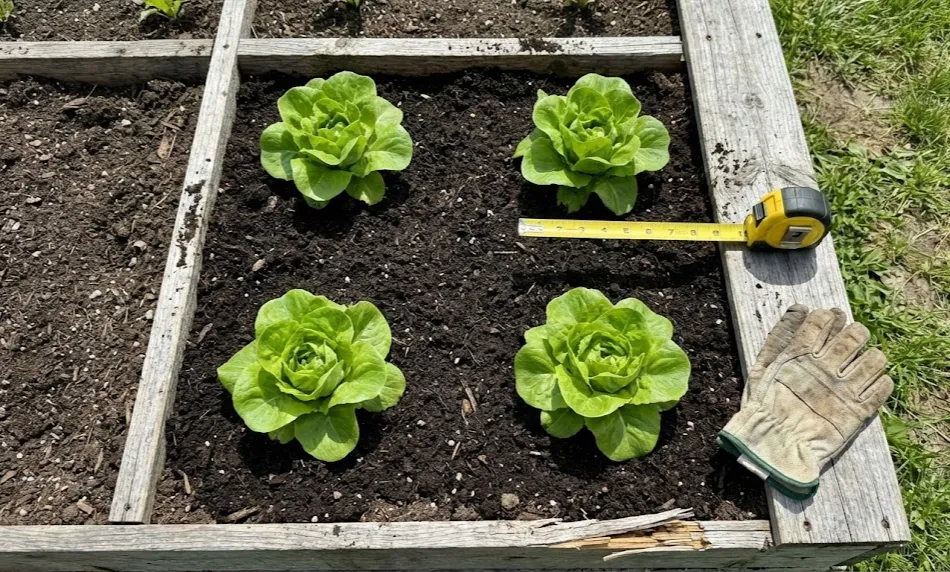
Plant 4 heads per square foot for full-sized romaine, or scatter-sow mesclun mix and cut with scissors every 10 days. The key is starting new batches every 3 weeks from March through May, then again in late August—summer heat turns it bitter fast.
Companion win: Tuck lettuce between taller tomato cages in June. The tomato shade keeps leaves sweet when ground temps hit 80°F+.
2. Spinach & Kale (Cool-Season Powerhouses)
These greens laugh at shallow soil. Spinach roots max out at 8 inches, kale at 10 inches—both perfect for standard pallet depth. They’re also cold-tolerant, so you can plant them 4 weeks before your last frost and harvest into November in zones 6-8.
Space spinach 3 inches apart in rows, kale 12 inches apart (those leaves get huge). Both are heavy feeders, so side-dress with compost every 3 weeks or your leaves turn yellow and sad.
Watch for bolting: Spinach shoots up flower stalks when days hit 14+ hours of light. Plant it early or late—skip the June-July window entirely.
3. Radishes (The 25-Day Wonder)
Fastest harvest in the garden. Radishes go from seed to salad in 25-30 days, roots stay under 4 inches, and you can squeeze them into every gap between slower plants like peppers or basil.
Sow them dense (1 inch apart) in early spring, then plant again every 2 weeks until May. They turn woody and hot if left in summer heat, so treat them like a spring-only crop unless you’re in a coastal zone.
Sneaky benefit: Their taproots break up compacted soil between other plants’ root zones—nature’s free tilling service.
4. Basil (The Herb That Pays Rent)
One plant produces 4+ cups of leaves weekly if you pinch the top every week to prevent flowering. Basil roots stay shallow (6-8 inches), loves warm soil, and thrives in the raised bed heat that other herbs find too intense.
Plant after all frost danger passes—cold soil under 50°F kills it overnight. Space plants 10 inches apart, and always plant next to tomatoes. That’s not just companion planting lore; basil repels aphids and tomato hornworms while improving tomato flavor (verified by multiple university extension studies).
Harvest trick: Never take more than 1/3 of the plant at once, and always cut above a leaf node. New branches sprout from those cuts.
5. Cherry Tomatoes (Dwarf or Determinate Varieties Only)
Can you grow tomatoes in pallet raised beds? Yes—but only specific types. Forget beefsteak or heirloom indeterminate varieties. Those need 24+ inches of root depth and will give you three sad tomatoes per plant in shallow beds.
Stick to determinate cherry tomatoes (Tiny Tim, Patio Princess, Bush Early Girl). These max out at 3-4 feet tall, roots stay under 12 inches, and produce 10-20 tomatoes per plant in an 8-inch-deep bed. Stake them early—don’t wait until they flop over.
If you absolutely need bigger tomatoes, stack two pallets on top of each other for 18+ inches of depth. Otherwise, you’ll end up with the stunted yellow plants forum users post about every June.
6. Strawberries (June-Bearing or Everbearing)
Strawberries were made for pallet beds. Roots stay under 6 inches, runners spread to fill gaps between plants, and the raised height keeps berries off the ground away from slugs and rot.
Plant 4-6 crowns per square foot, trim runners the first year to build strong root systems, then let them spread in year two. Everbearing varieties (Seascape, Albion) fruit lightly all summer; June-bearing types (Chandler, Honeoye) dump one huge harvest in late spring.
Mulch heavily with straw (ironic, right?) to prevent soil splash on fruits during rain. Wet berries = mold city.
7. Bush Beans (Nitrogen-Fixing Heroes)
Beans don’t just feed you—they feed the soil. Legumes like bush beans fix atmospheric nitrogen through root nodules, enriching soil for heavy feeders like tomatoes and peppers planted nearby. Studies show companion planting beans near brassicas or nightshades reduces fertilizer needs by 30-40%.
Bush varieties (Provider, Contender) stay compact at 18-24 inches tall, roots under 10 inches, and produce for 3-4 weeks. Plant them in blocks (not rows) for better pollination—6 plants per square foot.
Timing tip: Plant beans 2 weeks after tomatoes so the nitrogen boost kicks in when tomatoes start flowering and setting fruit.
8. Thyme (The Set-and-Forget Herb)
Thyme survives neglect. It’s drought-tolerant, roots stay under 6 inches, and grows as a low mat that suppresses weeds around taller plants. Plant it on the south-facing edge of your bed where it gets maximum sun.
Space plants 8 inches apart and ignore them for months—overwatering kills thyme faster than underwatering. Harvest by cutting stems (not just leaves) to keep plants bushy instead of woody.
Bonus use: Plant thyme near cabbage or broccoli. The strong oils confuse cabbage moths looking for host plants.
9. Arugula (The Peppery Spring Sprint)
Arugula thrives in the exact conditions pallet beds create: shallow soil, quick drainage, and warmer spring temperatures. Roots stay under 5 inches, and you can harvest baby leaves in just 20 days.
Sow seeds directly 1 inch apart in rows, then thin to 4 inches once seedlings emerge. Like spinach, arugula bolts fast in summer heat—plant it March-May and September-October only.
Cut-and-come-again method: Slice leaves 1 inch above soil when they’re 3-4 inches tall. Plants regrow 2-3 more times before exhausting themselves.
10. Dwarf Marigolds (The Pest Patrol)
Marigolds aren’t food, but they’re essential. French marigolds (not African giants) release chemicals from roots that repel nematodes by 90%+ in university trials. Plant them as border guards around your bed’s perimeter or tuck them between tomatoes and peppers.
They need full sun, bloom for 3-4 months, and roots stay under 8 inches. Space them 8 inches apart and deadhead spent flowers weekly to keep them pumping out blooms.
The science: Marigold roots exude alpha-terthienyl, a compound toxic to root-knot nematodes that would otherwise suck nutrients from your veggies’ roots.
Companion Planting Strategy for 4×4 Pallet Beds
Don’t just fill squares randomly. Pairing plants strategically doubles your harvest without adding soil or space. The core principle: heavy feeders next to nitrogen-fixers, pest-repellent plants guarding vulnerable crops.
High-Yield Combo #1: Tomato + Basil + Marigold Triangle
- Center: 1 determinate cherry tomato (12-inch spacing)
- Front-left: 2 basil plants (10 inches apart)
- Front-right: 3 dwarf marigolds (8 inches apart)
The basil repels aphids and whiteflies that attack tomatoes. Marigolds kill soil nematodes before they reach tomato roots. Tomato shade keeps basil from bolting in July heat.
High-Yield Combo #2: Lettuce + Radish Intercropping
- Rows 1 & 3: Lettuce heads (6 inches apart)
- Rows 2 & 4: Radishes (2 inches apart between lettuce)
Radishes mature in 25 days and are gone before lettuce needs the space. Their taproots loosen soil for lettuce roots to spread. You get two harvests from the same square footage.
High-Yield Combo #3: The Nitrogen-Sharing Bed
- Back row: 4 bush bean plants (6 inches apart)
- Front two rows: Spinach or kale (3-4 inches apart)
Beans fix nitrogen all season, feeding the heavy-feeding greens. Plant beans first, then add greens 2 weeks later so bean roots establish their nitrogen nodules before greens start demanding nutrients.
Spacing Charts for Maximum Yield in Small Pallet Beds
Overcrowding is the #1 beginner mistake. Those cute seedlings triple in size by week 6, and suddenly your tomatoes are choking out your basil. Follow square-foot gardening rules, thin ruthlessly, and your plants will thank you with actual harvests.
Plants Per Square Foot (Standard 4×4 Bed = 16 Square Feet)
- Lettuce/Spinach: 4 per square foot (64 total)
- Kale/Chard: 1 per square foot (16 total)
- Basil/Thyme: 1 per square foot (16 total)
- Bush beans: 6-9 per square foot (96-144 total)
- Radishes: 16 per square foot (256 total)
- Cherry tomatoes (determinate): 1 per 2 square feet (8 total max)
- Strawberries: 4 per square foot (64 total)
- Marigolds: 1 per square foot for borders
The Thinning Rule Nobody Follows
When seedlings hit 2-3 inches tall, cut the weakest ones with scissors at soil level. Don’t pull them—you’ll damage the roots of the keepers. It feels brutal to trash half your seedlings, but the survivors will produce 3x more yield than a crowded bed of weaklings.
Forum regrets are full of users who “couldn’t bear to thin” and ended up with 20 spindly tomato plants producing 3 tomatoes each. One strong plant beats five weak ones every single time.
What NOT to Plant in Single-Layer Pallet Beds
Save yourself the heartbreak. These crops need depth you don’t have, and trying to force them wastes a whole season.
Carrots, parsnips, potatoes: All need 18-24 inches for proper root development. In 8-10 inch beds, you’ll harvest deformed nubs that look like sad orange fingers. Stack two pallets if you must grow these.
Indeterminate tomatoes, peppers, eggplant: These sprawl to 5-6 feet tall and send roots 24+ inches deep. They’ll survive in shallow beds but produce 60-70% less fruit than in proper depth. Stick to determinate/dwarf varieties bred for containers.
Corn, brussels sprouts, large cabbage: Tall, top-heavy plants tip over in shallow beds during wind/rain. They also need 15+ inches of root depth to support that weight. Not worth the staking headaches.
Melons, winter squash, pumpkins: The vines spread 8-10 feet and need deep roots to support heavy fruits. Grow these in-ground or in stacked pallet beds minimum 18 inches deep.
Next Steps: Keep Your Pallet Garden Thriving
You’ve got the plant list, the spacing rules, and the companion combos. Now the real work starts—feeding that soil, managing pests without chemicals, and keeping harvests coming all season.