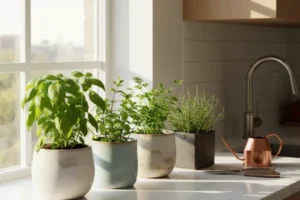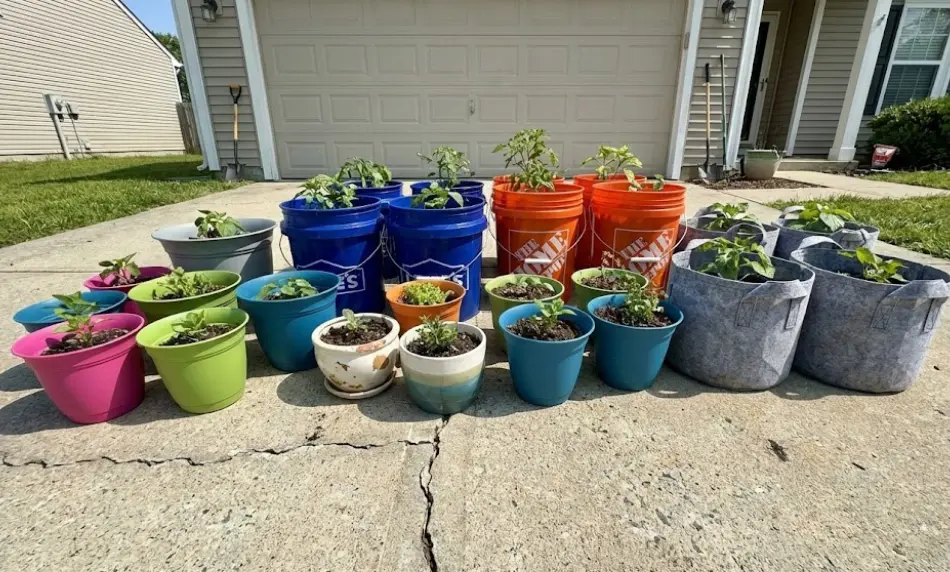
You don’t need to spend a fortune on planters. Cheap containers for plants are everywhere if you know where to look. This guide shows you exactly where to source budget-friendly pots and what household items work as planters, saving you 60-70% compared to retail prices.
Where to Find Cheap Containers for Plants
Dollar Stores: The $1-$5 Sweet Spot
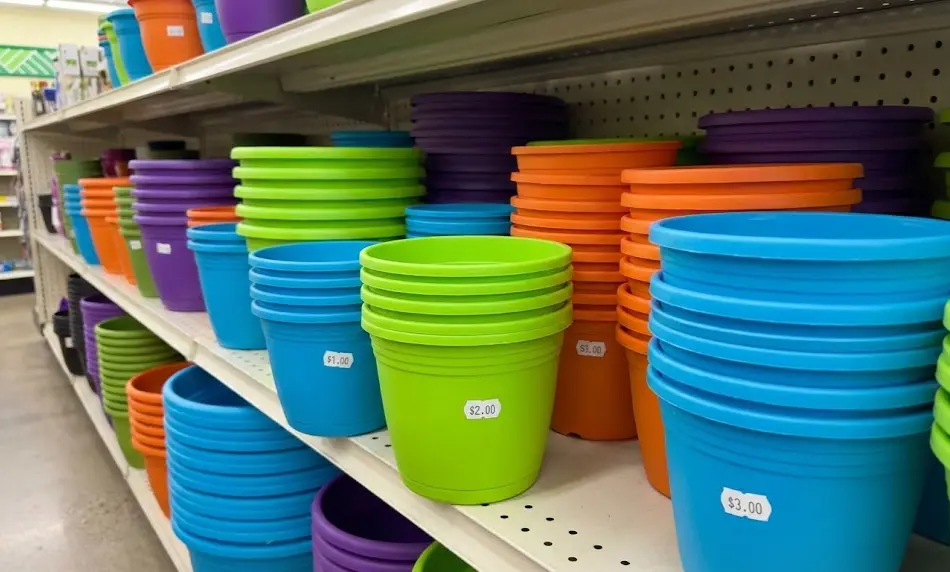
Dollar Tree, Dollar General, and Five Below stock plastic planters for $1-5 each. You’ll find 6-10 inch pots in basic shapes that work perfectly for annuals and herbs. The quality won’t match premium brands, but for temporary or seasonal growing, these are unbeatable on price.
Are dollar store pots good for plants? Yes, for short-term use. They’re thinner plastic that may crack after 2-3 seasons outdoors, but that’s fine if you’re experimenting or growing annuals.
Thrift Stores & Habitat ReStore
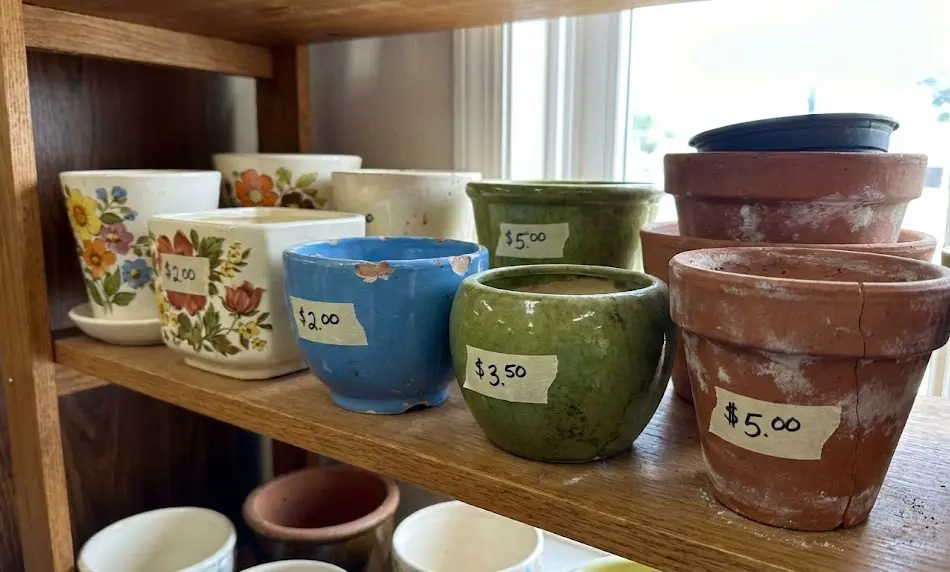
Goodwill, Salvation Army, and Habitat ReStore sell used ceramics and plastics for $1-5 versus $15-30 retail. ReStore specifically gets bulk donations from home renovation projects, so you’ll score designer pots at thrift prices. This saves you 60-70% compared to Home Depot.
Check the drainage holes before buying. Ceramic pots from thrift stores sometimes have sealed bottoms.
Facebook Marketplace & Craigslist
Where to get free pots for plants? Facebook Marketplace and Craigslist have daily “free” listings for planters. Search “free plant pots” or “free planters” in your zip code. You’ll find homeowners clearing out sheds or downsizing gardens.
OfferUp also has budget listings, typically $5-10 for sets of 5-10 pots. 40% of container gardeners source free or cheap pots this way according to 2024 gardening trends.
Nursery Recycle Bins (The Secret Hack)
Home Depot and Lowe’s have recycle bins near their garden centers filled with free black plastic nursery pots. These are the 1-gallon, 3-gallon, and 5-gallon containers plants come in. Stores discard 40+ weekly.
Call ahead and ask if you can take a bulk pickup. Gardening communities on Reddit confirm this works at most locations. You’ll get 20-50 sturdy plastic pots for zero dollars.
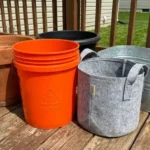
Fabric Grow Bags: Cheap & Better Performance
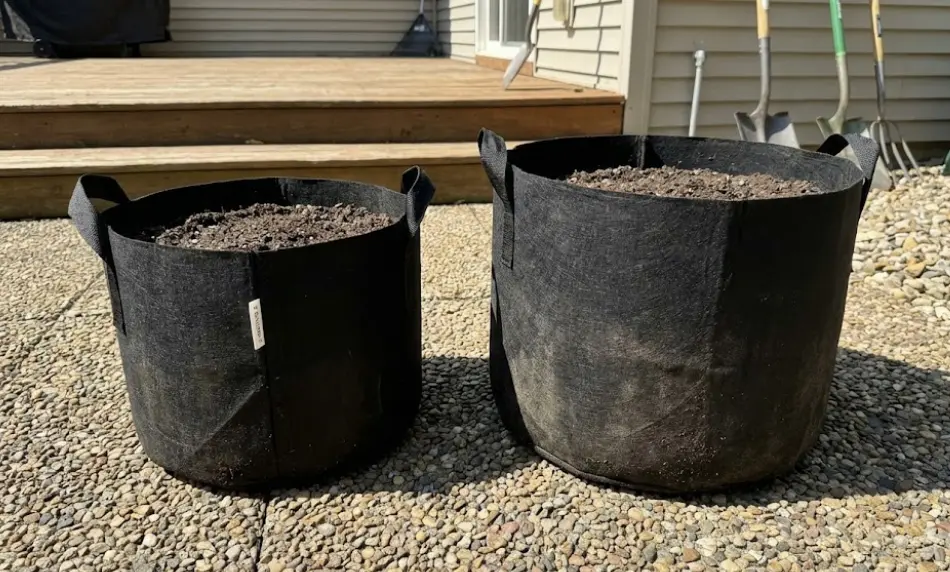
Fabric pots cost $1-3 per gallon on Amazon or Temu versus $5+ for plastic equivalents. They provide better aeration, which reduces root circling and rot by 30% according to growing studies. For tomatoes, peppers, or potted trees, these are the cheapest way to buy plant pots with actual performance benefits.
Buy multipacks (5-10 bags) for bulk savings.
10 Household Items You Can Use as Planters
What household items can be used as planters? You already own containers that work perfectly with drainage holes added.
1. Five-Gallon Buckets
Can I use 5-gallon buckets for plants? Absolutely. Food-grade buckets from delis, bakeries, or hardware stores ($3-5 new, often free used) hold tomatoes, peppers, or small shrubs. Drill 5-6 drainage holes in the bottom.
2. Ice Cream Tubs
Large ice cream containers (1-gallon size) from Baskin-Robbins or grocery stores work for herbs and small flowers. The insulating properties protect roots in temperature swings. Line unlined ones with aluminum foil to block light and prevent algae growth per DIY community advice.
3. Seafood Foam Containers
Sushi shops and seafood counters give away foam boxes for free. These insulate well but need foil lining to stop algae. They’re lightweight and ideal for balcony gardens.
4. Coffee Cans & Tins
Metal coffee cans (1-3 pounds) are perfect for windowsill herbs like basil or cilantro. Punch drainage holes with a hammer and nail. The rustic look works for farmhouse aesthetics.
5. Yogurt & Cottage Cheese Containers
Large yogurt tubs (32 oz) work for starting seeds or growing lettuce. They’re shallow, so avoid deep-rooted plants. Free and abundant in your recycling.
6. Laundry Detergent Bottles
Cut 1-gallon detergent jugs in half horizontally. The bottom becomes a planter, the top a watering can. Rinse thoroughly first. Handles make them portable.
7. Wooden Crates & Wine Boxes
Produce crates from grocery stores or wine boxes add rustic charm. Line with landscape fabric to contain soil while allowing drainage. These work for multiple small plants or trailing varieties.
8. Colanders & Mesh Baskets
Old kitchen colanders have built-in drainage. Line with coco liner or burlap to hold soil. Perfect for hanging or displaying strawberries.
9. Rubber Boots & Shoes
Worn-out rain boots make quirky planters for entry porches. Kids’ boots work for small succulents. Drainage is automatic through existing flex points.
10. Plastic Storage Bins
Under-bed storage bins or Rubbermaid totes become large-scale planters for raised bed alternatives. Can I use 5-gallon buckets for plants? Yes, but 18-gallon totes give you even more growing space for $8-12.
Quick Sourcing Strategy
Check these in order for maximum savings: nursery recycle bins (free), Facebook Marketplace free section (free), dollar stores ($1-5), thrift stores ($1-5), then fabric bags online ($1-3/gallon). Your household recycling should supplement these sources.