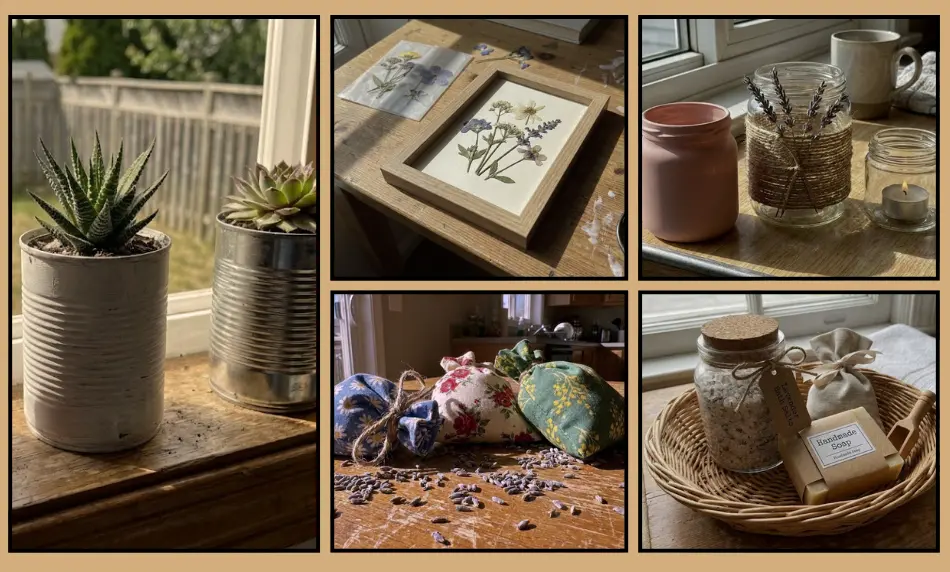
Valentine’s Day doesn’t have to mean expensive, wasteful gifts wrapped in layers of plastic. With US Valentine spending hitting around $29.1 billion in 2026, much of it goes to single-use items that end up in landfills within days. You can create thoughtful DIY eco friendly Valentine gifts using materials you already have at home, saving money while cutting down on waste.
Why Choose DIY Eco Friendly Valentine Gifts
Store-bought Valentine gifts come with a hefty environmental price tag. Producing and transporting 100 million Valentine roses generates roughly 9,000 metric tons of CO₂, while flower deliveries in the three weeks before Valentine’s add about 360,000 metric tons of CO₂ from air freight alone. The average themed chocolate gift box carries an estimated lifecycle footprint around 3.4 kg CO₂e, mostly from packaging and supply chains.
DIY sustainable Valentine gifts let you avoid this impact entirely. You’re reusing materials that would otherwise sit in your garage or recycling bin, transforming them into personal gifts your friends, partners, or teachers will actually appreciate. This approach is also fantastic for getting the whole family involved—there are plenty of easy recycled Valentine crafts for kids that double as adorable, earth-friendly gifts for their classmates
Upcycled Jar Candle Holders
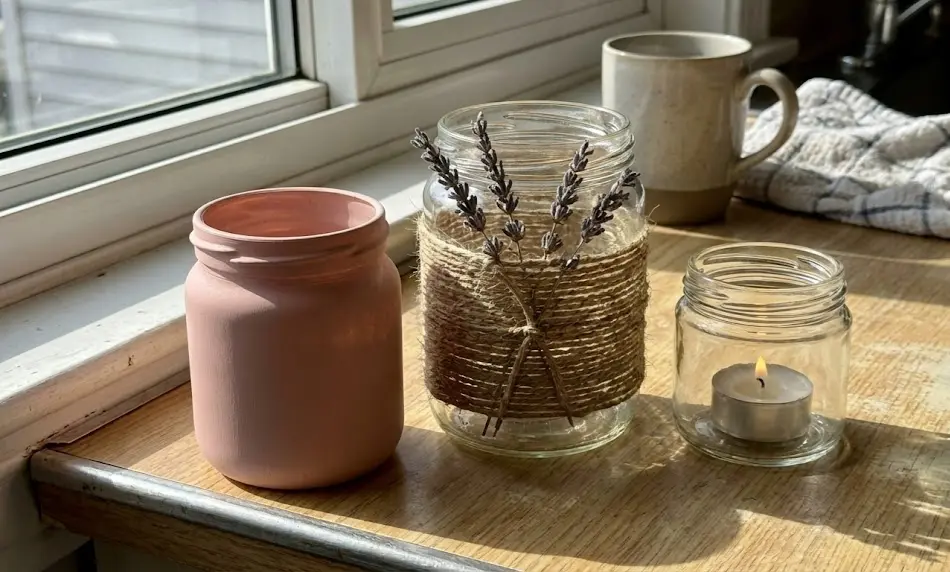
Empty glass jars (pasta sauce, pickle jars, jam jars) make perfect Valentine candle holders. Clean them thoroughly and remove labels with hot soapy water and a scrub brush. You can paint the outside with leftover acrylic paint in soft pinks or reds, or wrap them with twine and dried flowers for a rustic look.
Drop a tea light or small pillar candle inside. Keep it simple with what you have rather than buying specialty candle supplies unless you already craft regularly.
Bath Salt Jars for Self-Care Gifts
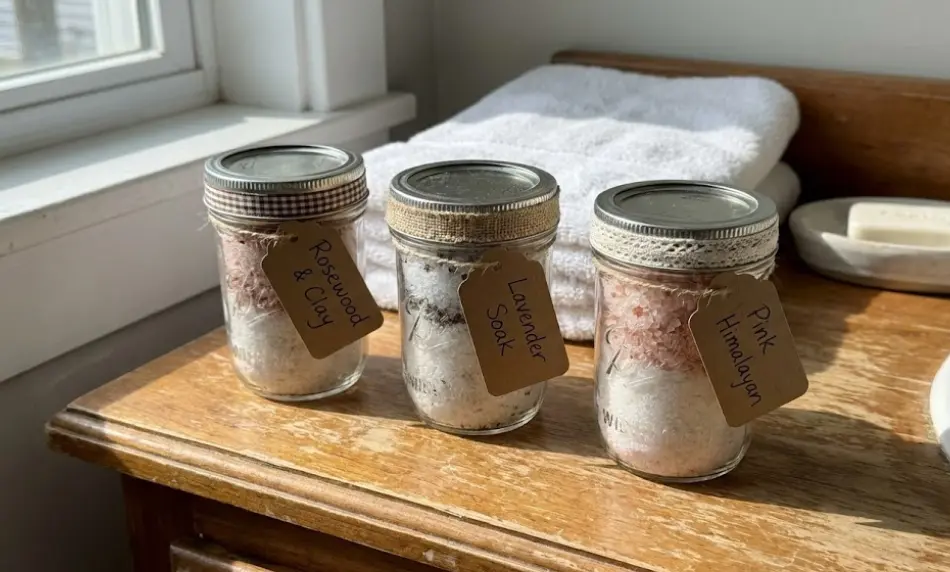
Mix Epsom salt with a few drops of essential oil (lavender, eucalyptus, or rose if you have them) in a bowl. Spoon the mixture into small clean jars and tie a fabric scrap around the lid as decoration. Write the scent and simple use instructions on recycled card stock or brown paper.
This works perfectly for teacher gifts or friends who appreciate handmade spa items. You’re avoiding the plastic packaging that comes with store-bought bath products while creating something genuinely useful.
Mini Potted Plants as Living Gifts
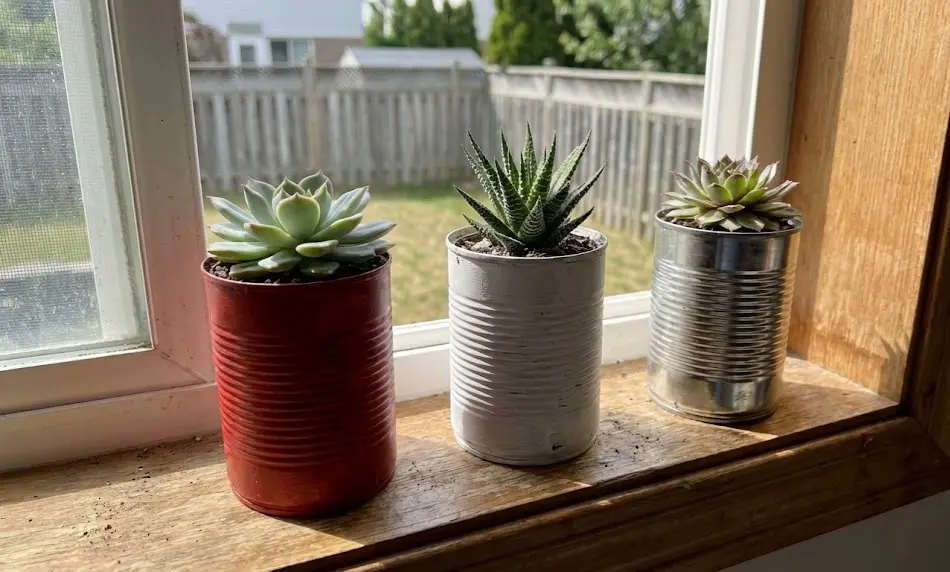
Potted plants beat cut flowers every time when it comes to environmental impact. Propagate succulents or herbs you already have growing (basil, mint, rosemary all root easily in water), then plant them in small terracotta pots or upcycled tin cans. Paint the containers if you want, or leave them natural.
Add a wooden plant marker or popsicle stick with the plant name written in marker. Your recipient gets a gift that keeps growing instead of wilting in three days, and you’ve saved them from contributing to that 360,000 metric ton Valentine flower delivery footprint.
Framed Pressed Flowers or Art Prints
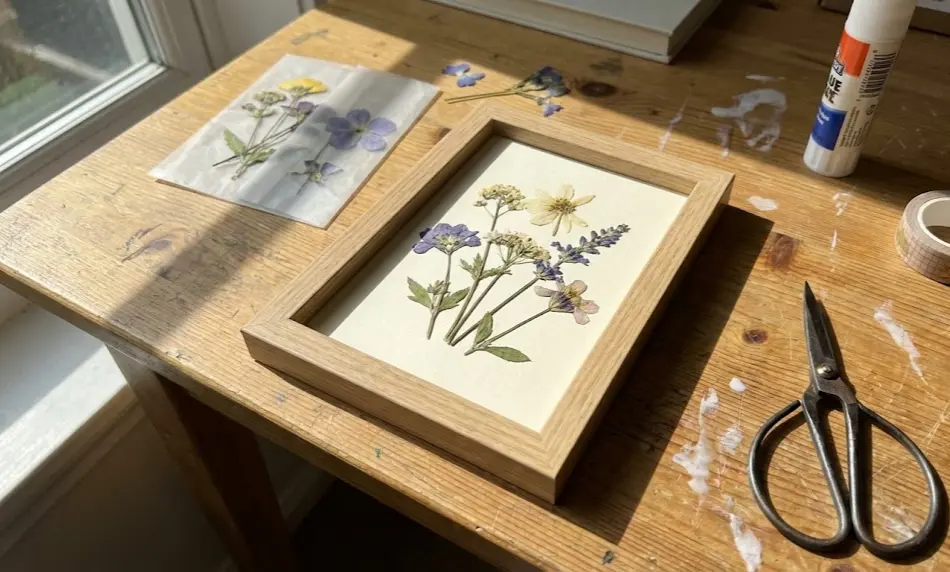
Press flowers or leaves between heavy books for one to two weeks until completely flat and dry. Arrange them on cardstock backing and frame in a thrifted picture frame you’ve cleaned up. Alternatively, create simple watercolor paintings or prints using scrap paper and leftover craft paints.
You can also print digital art or meaningful quotes on regular printer paper and trim to fit the frame. Thrift stores always have cheap frames that just need a quick wipe down. This gift costs almost nothing and uses materials that would otherwise go unused.
Fabric Sachets with Dried Herbs
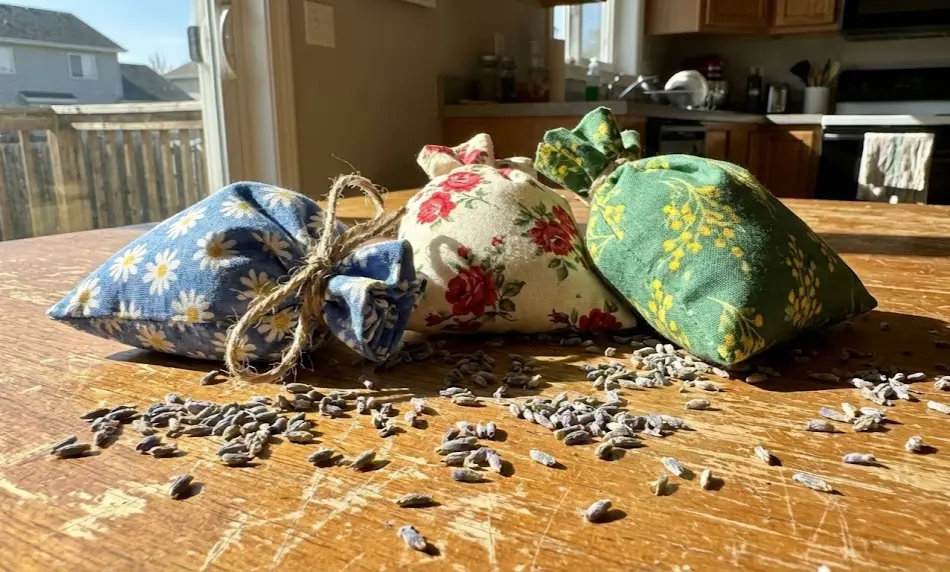
Cut fabric scraps into 4-inch by 6-inch rectangles (old pillowcases, worn sheets, leftover sewing fabric all work). Fold in half with the good side facing in, sew two sides shut with a simple running stitch, then flip right side out. Fill with dried lavender, rose petals, or herbs from your garden.
Tie the open end with ribbon or twine. These work as drawer fresheners or closet sachets that smell better than anything synthetic. No sewing machine? Use fabric glue or even hand-stitch with basic needle and thread.
Homemade Chocolate Treats in Reusable Tins
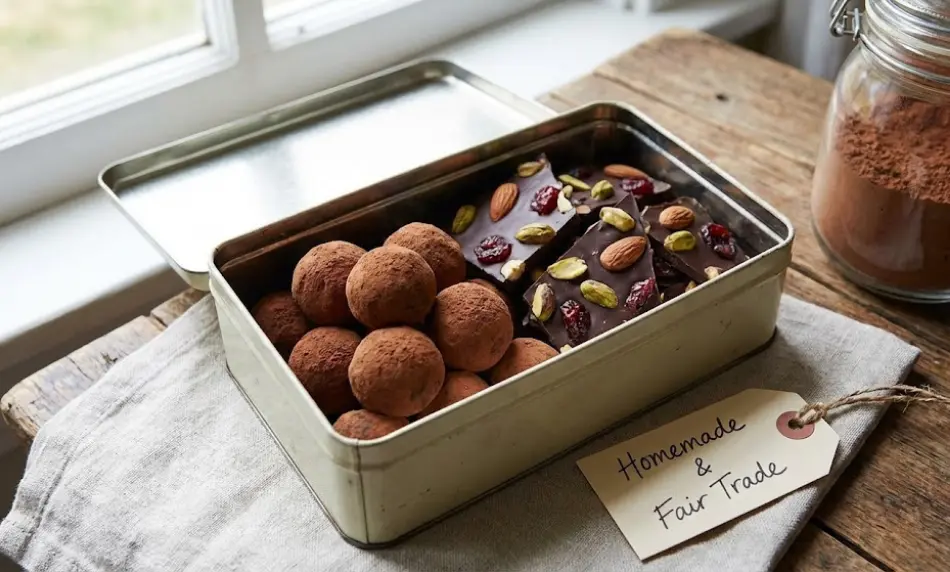
If you’re giving chocolate, make your own truffles or chocolate bark to avoid that 3.4 kg CO₂e footprint from commercial boxes. Melt fair-trade chocolate chips (check for slave-free certification), mix with coconut cream for truffles, or spread thin and top with nuts and dried fruit for bark. Package in a reusable tin you already own or picked up at a thrift store.
This addresses the common complaint from zero waste communities about plastic-wrapped Valentine chocolates. The tin becomes part of the gift since your recipient can reuse it for storage. Source fair-trade chocolate when possible to avoid contributing to exploitative supply chains.
Seed Paper Cards with Plantable Messages
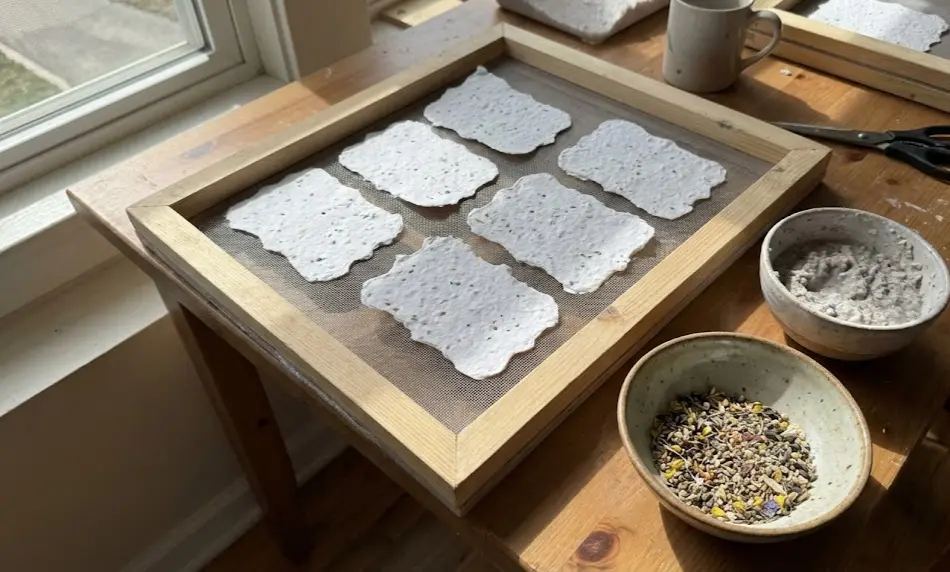
Make seed paper by blending scrap paper with water until it forms pulp, then mixing in wildflower or herb seeds. Spread thin on a screen or cheesecloth, press out excess water, and let dry completely (takes about 24 hours). Cut into card shapes and write your message with pen.
Recipients plant the whole card in soil and water it to grow flowers or herbs. This is a true zero waste Valentine gift idea since nothing gets thrown away. You can also buy pre-made seed paper if you don’t want to make your own, but DIY costs nearly nothing.
Natural Spa Gift Set Assembly
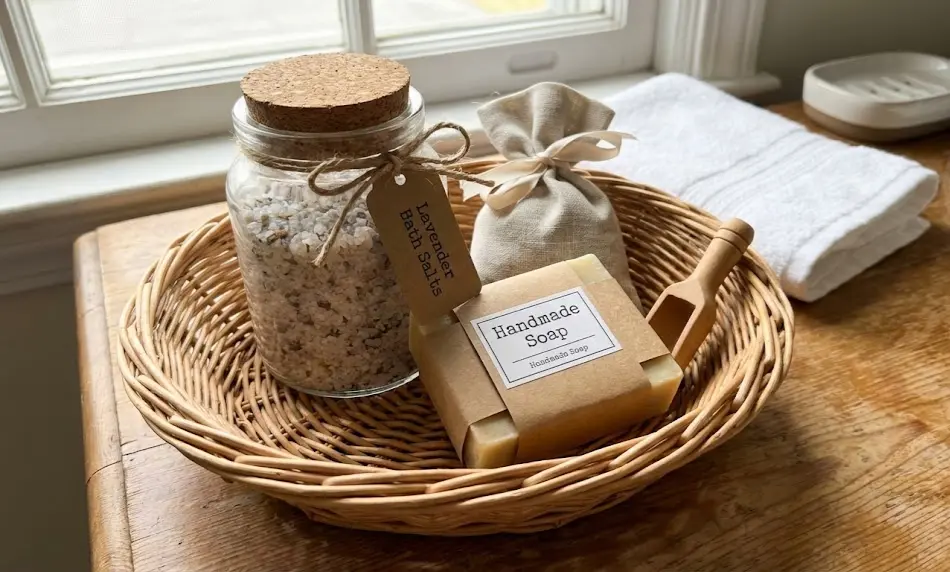
Combine several small handmade items into one thoughtful gift set. Pair your bath salt jar with a fabric sachet and a small bar of homemade soap (or locally sourced unpackaged soap). Arrange everything in a small basket or box you already have at home.
Add dried flowers or greenery clippings from your yard as filler instead of buying shredded paper. This type of curated set shows real thought without requiring any plastic packaging.
Presenting Your Gifts Without Waste
Once you’ve made these handmade eco friendly valentines, you’ll want to present them properly. The presentation matters just as much as the gift itself when you’re aiming for truly low waste romantic gift ideas.
Focus on using what you already own before buying any new supplies. The whole point of upcycled Valentine gift projects is reducing consumption while creating something meaningful. Your recipients will appreciate the personal touch far more than anything mass-produced.