Choosing eco friendly Valentine crafts materials doesn’t mean sacrificing creativity or safety. Upcycled household items like cardboard boxes, toilet paper rolls, and glass jars work beautifully for sustainable heart crafts when you prep them correctly. This guide walks you through what’s safe, how to clean each material, and why zero waste Valentine projects start with smart material selection.
Why Eco-Friendly Materials Matter for Valentine Crafts
US households discard 50 billion toilet paper rolls yearly, and most end up in landfills despite being 100% biodegradable. Repurposing these items for Valentine’s Day projects cuts waste while giving you free craft supplies. Natural materials like twigs and leaves reduce plastic use by 90% compared to store-bought decorations.
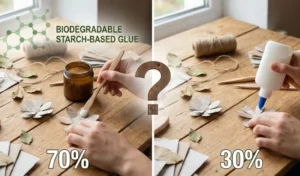
About 70% of US consumers now seek sustainable holiday alternatives, especially parents looking for non-toxic options. Choosing the right materials protects your family and the planet without adding to your budget, which is especially helpful when you are ready to start making your own budget-friendly DIY eco-friendly Valentine gifts for friends and loved ones.
Cardboard-Based Materials
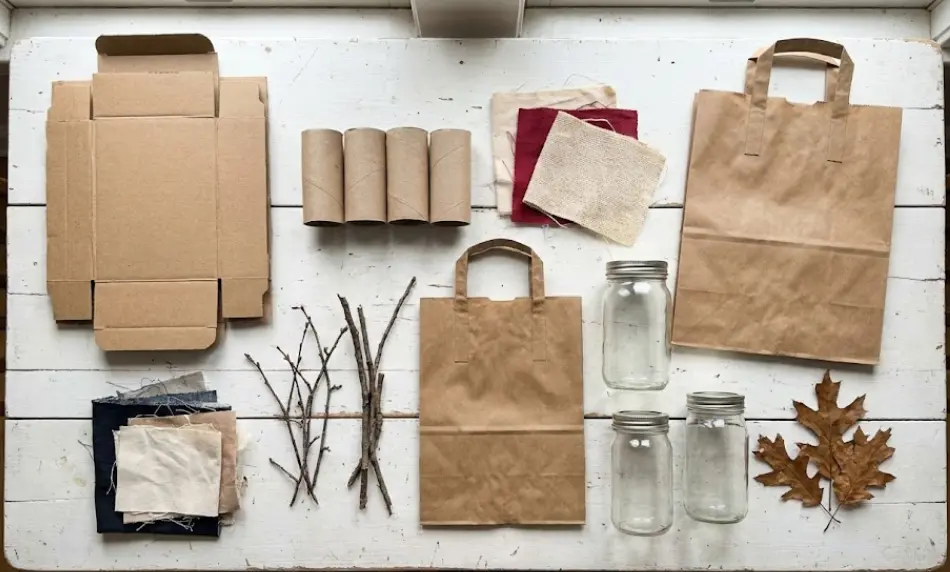
Cardboard items are everywhere in your home and make excellent bases for Valentine crafts. They’re sturdy, easy to cut, and completely biodegradable when you’re done with them.
Toilet Paper Rolls
Empty toilet paper rolls are perfect for heart garlands, napkin rings, and small gift boxes. The cardboard is thin enough to cut with regular scissors but strong enough to hold shape. Each roll gives you about 5 inches of workable material.
Rinse rolls lightly if dusty, then let them air dry for 2 hours before crafting. Skip this step and paint may cause the cardboard to warp or pill.
Cereal and Cracker Boxes
Cereal boxes provide thicker cardboard that’s ideal for Valentine cards and gift tags. The printed exterior can become decorative backing, while the plain interior works for painting. You’ll get roughly 80 square inches of usable material per standard box.
Wash boxes with warm soapy water to remove food oils and residues, then dry completely (overnight is best) to prevent mold growth. Users on r/upcycling report musty odors when this step is skipped.
Shipping and Shoe Boxes
Corrugated shipping boxes offer the sturdiest cardboard for larger Valentine structures like mailboxes or treasure chests. Shoe boxes work well as ready-made gift containers. Both types come in various sizes to match your project scale.
Remove tape and labels first, then wipe surfaces with a damp cloth. Let boxes dry flat for 24 hours to prevent warping when you apply paint or glue.
Paper Products
Paper items are lightweight, easy to work with, and incredibly versatile for recycled Valentine craft materials. They accept paint, markers, and adhesives without special prep.
Brown Paper Bags
Paper bags create rustic Valentine tags, banners, and wrapping paper. The brown tone gives your projects a natural, vintage look. Standard grocery bags measure about 12×7 inches when flattened.
Cut bags open along the seams to create flat sheets. No washing needed unless bags held food items (wipe those with a barely damp cloth and dry for 1 hour).
Newspaper and Magazine Pages
Old newspapers and magazines provide patterned paper for collages, decoupage, and layered cards. The text and images add visual interest without extra supplies. Each page gives you approximately 22×15 inches for standard newspapers.
Use pages as-is for most projects. For food-safe items, wipe pages lightly with a dry cloth to remove dust or ink residue.
Glass and Metal Containers
Glass jars and metal cans transform into upcycled Valentine’s Day supplies that last beyond one season. They’re non-porous, which means easy cleaning and no absorption issues.
Glass Jars
Mason jars, jam jars, and sauce jars work as candle holders, vases, or storage containers for Valentine treats. Glass doesn’t warp or absorb moisture, so your decorations stay crisp. Jars come in sizes from 4 ounces to 1 quart.
Soak jars in hot soapy water for 10 minutes to loosen labels, scrub off residue with a sponge, then dry completely. Remove any stubborn glue with cooking oil on a paper towel.
Tin Cans
Clean tin cans serve as pencil holders, planters, or luminaries for Valentine decor. The metal surface accepts spray paint and adhesives well. Standard soup cans measure about 4 inches tall and 3 inches wide.
Wash cans thoroughly with dish soap, check for sharp edges (file them down with an emery board if needed), then dry for 2 hours. For food-safe projects, run cans through the dishwasher first.
Fabric and Textile Scraps
Fabric scraps add softness and texture to biodegradable craft supplies without buying new materials. Old clothes, sheets, and towels all work perfectly for Valentine projects.
Cotton T-Shirts and Sheets
Cotton fabric cuts easily and doesn’t fray much, making it ideal for no-sew Valentine garlands, stuffed hearts, or fabric banners. Red, pink, and white shirts give you ready-made Valentine colors. Each adult t-shirt yields roughly 3 square feet of fabric.
Wash fabric scraps in hot water with detergent to remove body oils and odors. Dry completely before cutting to prevent mildew.
Burlap and Linen
Natural burlap and linen provide rustic texture for nature twig leaf Valentine decor. These materials pair beautifully with twigs, pinecones, and dried flowers. Burlap coffee bags and linen napkins are common household sources.
Shake out loose fibers outdoors, then spot-clean any stains with a damp cloth. Air dry for 4 hours before crafting.
Natural Materials from Outdoors
Nature provides free materials that bring organic beauty to your Valentine projects. These items work especially well for zero waste Valentine projects since they compost after use.
Twigs and Branches
Fallen twigs create rustic frames, wreaths, or heart shapes for wall decor. Look for pieces between 6 and 12 inches long with natural curves. Thinner twigs (pencil-width or smaller) are easier to bend and glue.
Brush off dirt and insects, then bake twigs at 200°F for 30 minutes to kill any remaining bugs or mold spores. Let cool completely before handling.
Dried Leaves and Flowers
Pressed leaves and dried flowers add delicate details to cards and gift tags. Heart-shaped leaves work especially well for Valentine themes. Each leaf or flower petal becomes a unique embellishment.
Press fresh leaves between heavy books for 1 week, or use already-dried fall leaves. Spray lightly with clear acrylic sealer to prevent crumbling during crafts.
Pinecones and Acorns
Pinecones and acorns bring woodland charm to Valentine displays. Small pinecones (2 to 4 inches) work for tabletop decorations, while acorn caps make miniature embellishments. Both materials are completely biodegradable.
Bake at 200°F for 45 minutes to kill bugs and dry out any sap. Let cool overnight before painting or gluing.
Food Packaging to Upcycle
Food containers often have interesting shapes and sizes that work perfectly for eco-friendly non-toxic crafts. Proper cleaning is critical for these items.
Yogurt Cups and Plastic Tubs
Clean yogurt cups become paint holders, small planters, or gift containers. Look for #1, #2, or #5 plastic recycling codes (avoid PVC #3 plastics which contain phthalates per CPSC guidelines). Standard yogurt cups hold 6 ounces.
Wash cups in hot soapy water, scrub thoroughly to remove all food residue, then soak in a vinegar solution (1 part vinegar to 3 parts water) for 10 minutes. Rinse and dry completely. Skipping this creates mold growth within days according to r/upcycling users.
Egg Cartons
Paper egg cartons provide individual compartments perfect for organizing beads, sorting paint colors, or creating flower shapes. Each carton gives you 12 cups plus the lid. Foam cartons work too but aren’t biodegradable.
Rinse cartons under running water, check for egg residue in each cup, then air dry for 24 hours. Any remaining moisture will cause paint to bead up instead of adhering.
Bottle Caps
Plastic and metal bottle caps work as stamps, game pieces, or miniature frames. Their small size (about 1 inch diameter) makes them perfect for detail work. Metal caps accept paint better than plastic.
Wash caps in dish soap, scrub the interior threads where soda residue hides, then dry thoroughly. Run through the dishwasher if you want them truly sterile for kids’ crafts.
Safety and Preparation Guidelines
Using ACMI AP-certified non-toxic paints and glues is required for kids’ Valentine crafts. This certification means products have been tested for safety by toxicologists. Check labels before purchasing any craft supplies.
All upcycled items should be thoroughly cleaned before use. Food residues can attract pests or grow mold. Chemical residues from household cleaners can leach into porous materials like cardboard.
Sealing and Protecting Your Materials
Porous surfaces like cardboard and paper absorb paint unevenly and warp when wet. Sealing prevents these problems and extends your project’s life.
When to Seal
Seal cardboard before painting if you want smooth, even color coverage. Seal paper items that will be handled frequently (like cards or bookmarks). Skip sealing for single-use decorations or items you plan to compost after Valentine’s Day.
Apply clear Mod Podge or a thin layer of melted beeswax to create a moisture barrier. Let dry for 2 hours before painting. Users on r/DIY report “soggy disasters” when this step is skipped, especially with water-based paints.
Protecting Finished Projects
Spray finished Valentine crafts with clear acrylic sealer to prevent smudging and add light water resistance. Hold the spray can 10 inches away and apply two thin coats (waiting 15 minutes between coats). Do this outdoors or in a well-ventilated garage.
For fabric projects, skip the spray sealer. Instead, iron fabric on low heat to set any paint or marker designs.
Storage Tips Between Uses
Store cleaned, dried materials in labeled boxes by type. Keep cardboard and paper items in a dry location (not basements or garages where humidity causes warping). Glass and metal containers can go anywhere.
Place fabric scraps in sealed plastic bags to prevent dust and moth damage. Store natural materials like twigs and pinecones in breathable containers (paper bags work well) to prevent moisture buildup. Check stored items every few months and discard anything with mold or pest damage.
Prepared materials ready for crafting save time when inspiration strikes. Having a stash of cleaned recyclables means you can start projects immediately without prep delays.