You’re standing in the produce aisle, staring at a $4.99 pot of wilting basil. Meanwhile, the dumpster out back holds perfectly viable stems that stores toss every single day. What if you could rescue those plants for free—and turn them into a thriving herb garden?
This isn’t about breaking rules or digging through trash. It’s about smart, legal strategies to score free basil from sources most people ignore. From asking managers for discards to spotting abandoned pots in parking lots, these five methods work in real US stores—no judgment, no waste.
Why Grocery Store Basil Is Free for the Taking
US supermarkets waste 6.2 billion pounds of fresh vegetables annually, with herbs like basil hitting an 11.6% loss rate. Stores dump living basil pots after just 2-3 days on shelves because of minor wilting or cosmetic flaws—even though the roots are perfectly healthy.
The real secret? Those crowded supermarket basil pots contain 10-15 individual plants crammed together. Stores sell them as single units, but each stem is a free clone waiting to happen. When the pot dies fast (which customers always complain about), it’s because root competition chokes the plants—not because the basil itself is defective.
Retailers and local grocers frequently toss potted herbs due to store policy, not plant health. In most US areas, taking discarded items from public-accessible dumpsters is legal with permission, but you don’t even need to go that route.
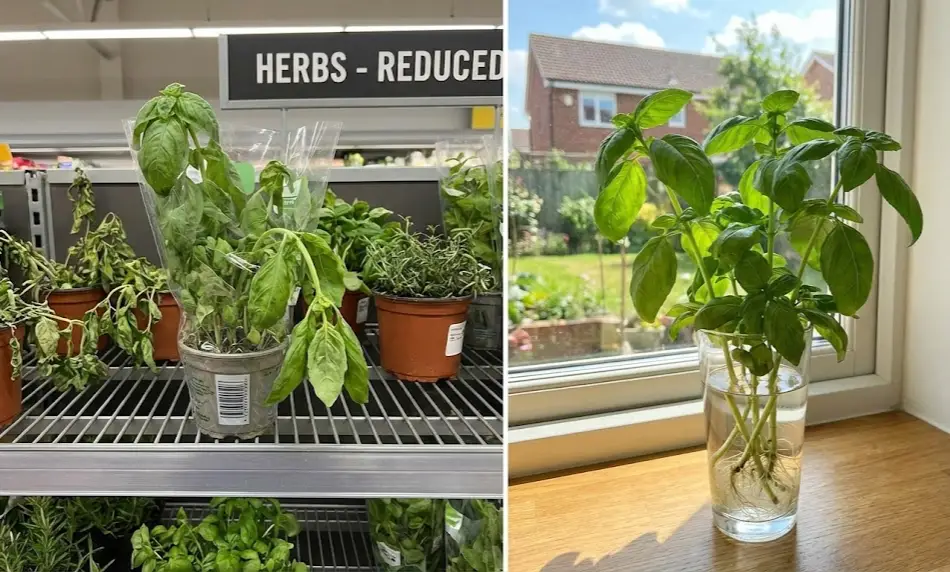
Method 1: Ask Managers for “Throwaway” Packs at Closing Time
Store employees give away soon-to-be-discarded herbs for free if you ask politely during the last hour before closing. The produce manager already knows these pots won’t sell overnight—they’re headed to the trash anyway.
Here’s the script that works: Walk to the herb section around 8-9 PM. Find a manager and say, “Hi! I propagate herbs at home. Do you have any basil you’re planning to toss tonight? I’d love to rescue it.” Most will hand over wilted packs on the spot.
Why this beats dumpster diving: You get first pick of viable stems before contamination risks, and you’re building goodwill. One Reddit user scored six pots weekly from their local Kroger using this exact approach.
Pro tip: Bring a reusable bag. Managers appreciate that you’re reducing waste, not creating more work.
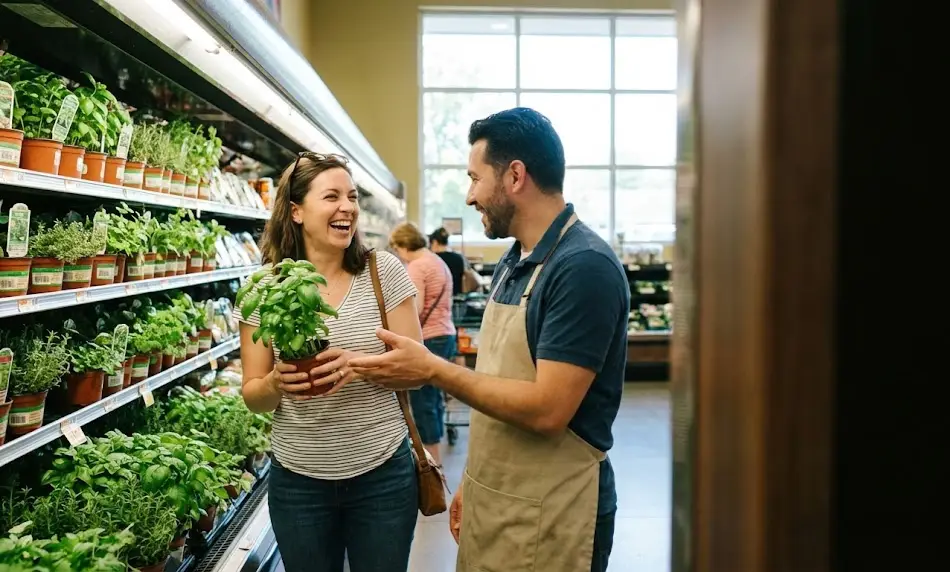
Method 2: Check Parking Lots & Cart Returns After Store Hours
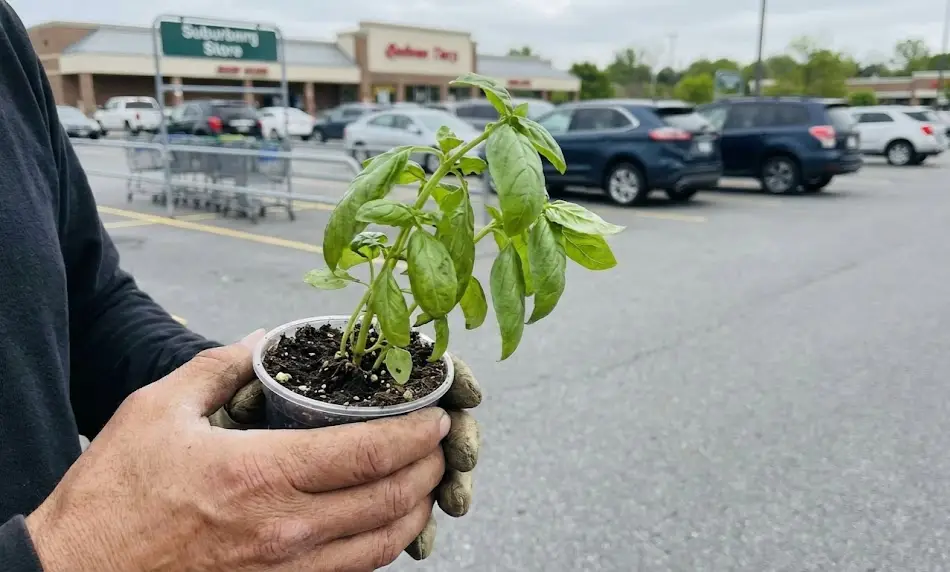
Abandoned basil pots sit in parking lots more often than you’d think. Shoppers change their minds, leave plants on car hoods, or forget them in carts. These orphaned pots are technically litter—free for anyone to rescue.
The best hunting grounds: Cart corrals, curbs near entrances, and landscaping islands. Check within 30 minutes of store closing, when employees do final sweeps but before maintenance crews arrive.
Is it safe to propagate herbs from store produce? Yes, as long as stems show no mold or slime. Rinse thoroughly under cool water and inspect roots for rot. If the crown is firm and leaves aren’t blackened, you’ve got a winner.
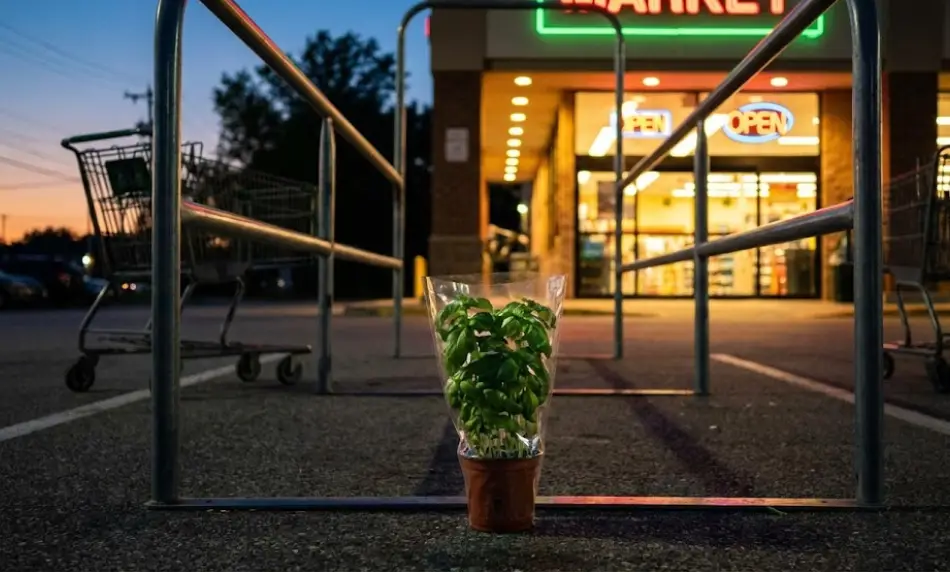
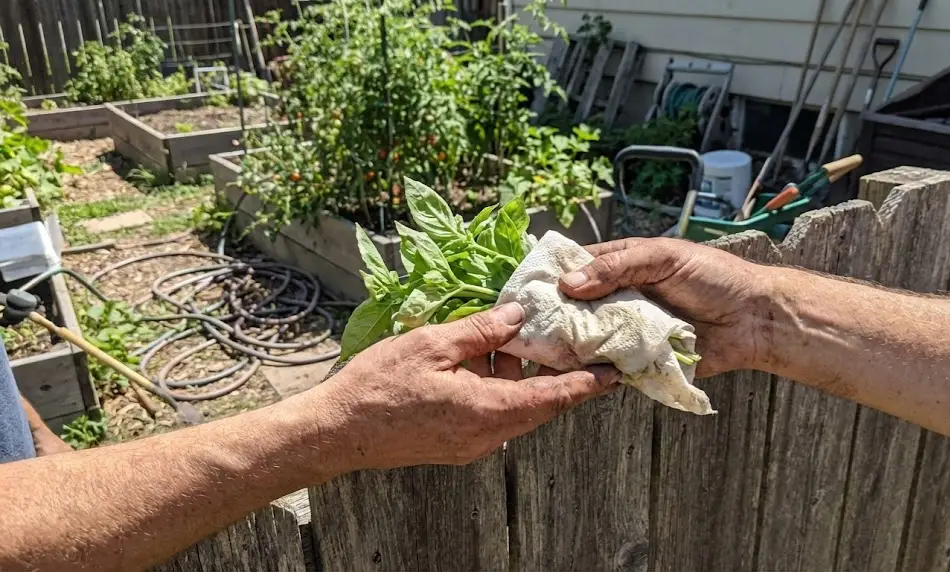
Method 3: Trade Clippings with Neighbors & Community Gardeners
Your neighbor’s overgrown basil is your free plant source. Most home gardeners prune their herbs weekly and compost the cuttings—but those 4-6 inch stems are perfect for propagation.
How to start trades: Post in neighborhood Facebook groups or Nextdoor: “Looking for basil cuttings—happy to trade tomato seedlings or help with garden chores!” People love sharing when there’s reciprocity.
The advantage over store basil: Homegrown varieties are already acclimated to your local climate, and neighbors often grow Italian large-leaf or Thai basil—types that cost $6-8 per plant at nurseries.
Bonus: Many gardeners will hand you entire divided plants if you offer to help weed their beds for 20 minutes. It’s cheaper than Craigslist and builds community.
Method 4: Library Seed Swaps & Free Herb Tables
Public libraries across the US now host seed libraries where patrons trade seeds, cuttings, and starter plants. These programs encourage food waste reduction—exactly what rescued basil supports.
What’s the best time to find free herbs at stores? Spring and early fall, when libraries run garden swap events. But year-round “take a plant, leave a plant” tables exist in 200+ US library systems.
How it works: Bring your extra tomato seeds or a divided succulent. Leave them on the swap table. Take home basil cuttings, seed packets, or even rooted plants others donated.
Cities with active programs: Austin, Portland, Denver, and Seattle have dedicated herb swap days. Check your library’s event calendar under “sustainability” or “gardening.”
Method 5: Rescue from Store Dumpsters (With Permission)
Dumpster diving for plants is legal in most US jurisdictions once trash hits public property, but always ask the store first to avoid trespassing charges. Retailers like Whole Foods and Trader Joe’s often grant permission if you explain you’re upcycling for personal use.
The reality check: Stores toss living basil pots due to policy, not plant death. Lowe’s frequently dumps entire flats of healthy potted herbs because of minor leaf spots or overstock. One YouTube channel (LovelyGreens) documented rescuing 40+ viable plants in a single month from big-box dumpsters.
Safety rules for food waste herb rescue:
- Check for contamination. Avoid pots near cleaning chemicals or spoiled meat.
- Inspect roots immediately. Brown mush means compost it; white/tan roots mean propagate.
- Rinse everything. Use a 1:10 bleach solution if you’re paranoid about bacteria.
Why do grocery store basil plants die quickly? Those pots have 10-15 plants fighting for space. Separate them within 24 hours of rescue, and each stem becomes an independent plant.
Selecting Viable Basil Stems for Propagation
Not every discarded basil is worth saving. Look for these green flags before bringing stems home:
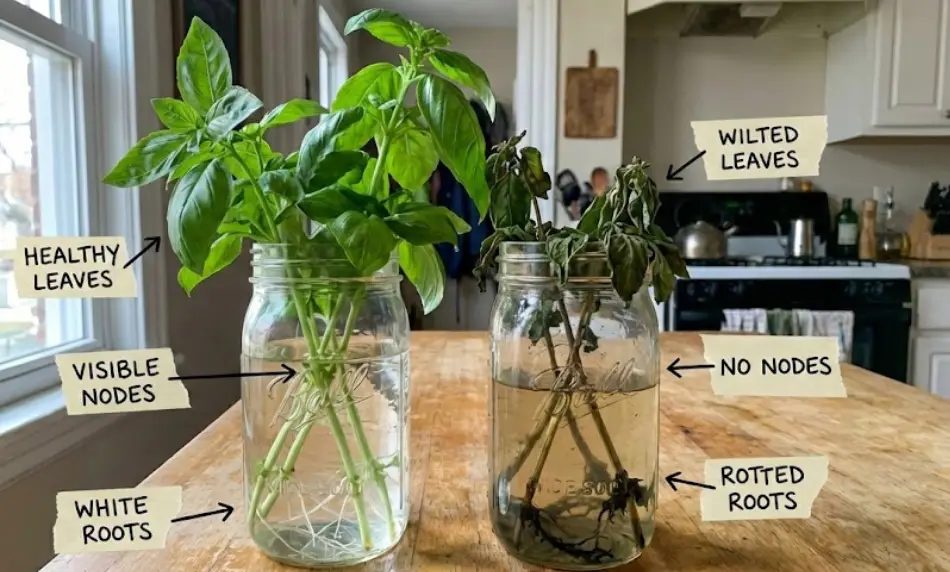
Firm stems with visible nodes: Pinch the stem 2 inches below the top. If it’s squishy or hollow, skip it. Nodes (the bumps where leaves attach) should be swollen—that’s where roots emerge.
Green or light-brown roots: Avoid black or slimy root systems. Tan roots can recover in fresh water; white roots mean you hit the jackpot.
Leaf condition matters less than you think: Wilted leaves rehydrate within hours in water. Yellow lower leaves just mean the plant diverted energy to new growth. But skip anything with black spots or powdery mildew.
The 3-inch rule: Cuttings shorter than 3 inches struggle to root. Prioritize stems with at least two sets of leaves above the water line.
How to Propagate Your Free Basil Haul
Can you grow basil from supermarket cuttings? Absolutely—store-bought basil roots faster than nursery transplants because it’s already stressed and desperate to survive.
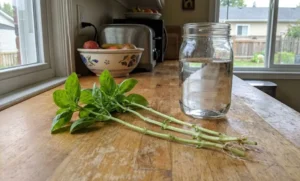
The foolproof water method:
- Strip lower leaves. Remove any foliage that would sit below the waterline to prevent rot.
- Use opaque containers. Clear glass grows algae; mason jars wrapped in paper work better.
- Change water every 2 days. Stagnant water breeds bacteria that kill roots.
Roots appear in 5-10 days. Once they’re 2 inches long, transplant into soil or keep them in water permanently (yes, basil thrives hydroponically).
Divide store-bought pots immediately: Those cramped roots need separation within 24 hours. Gently tease apart individual plants, trim any damaged roots, and pot each one separately in fresh soil.
Maximizing Your Free Basil Harvest
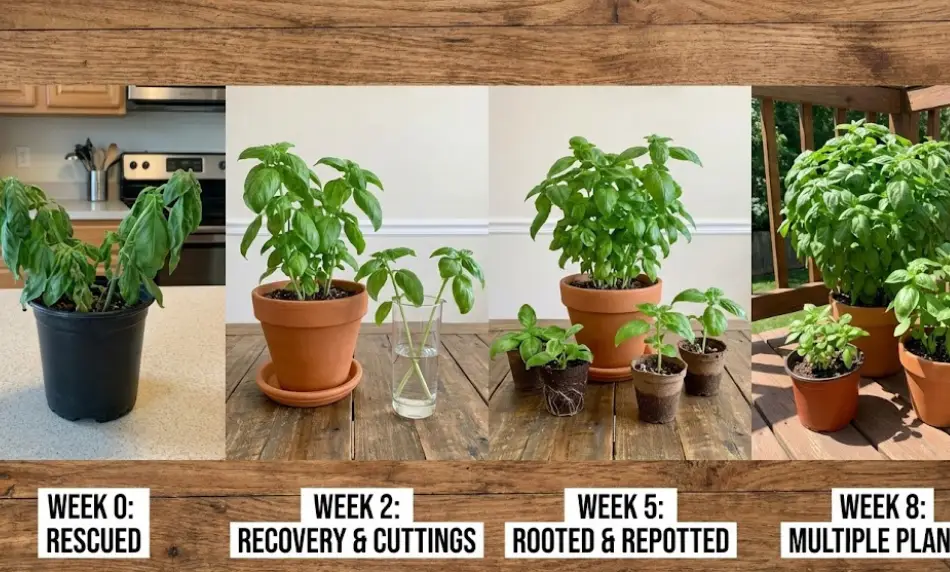
One rescued pot becomes 10+ plants if you divide, propagate, and repeat. Here’s how to scale your free herb garden:
Pinch weekly to force branching: Every time stems reach 6 inches, snip the top 2 inches. This creates two new growth points—doubling your yield every month.
Root the trimmings: Those pinched tips? Stick them in water. You now have infinite basil from a single grocery store rescue.
Overwinter indoors: Before frost, take cuttings from outdoor plants. By spring, you’ll have 50+ free transplants to share (or sell for $3 each at farmers markets).
The compound effect: One redditor started with three Safeway discard pots in May. By September, they had 120 plants and traded extras for tomatoes, peppers, and zucchini.
From Trash to Thriving Garden
You just learned five ways to turn grocery store waste into a year-round basil supply—no seed packets, no nursery costs, no guilt about contributing to the 6.2 billion pounds of produce waste.
The best part? Every method respects store policies while rescuing perfectly viable plants. Whether you’re asking managers, checking parking lots, or trading with neighbors, you’re building a sustainable habit that costs nothing and grows exponentially.