Making DIY Valentine cards from recycled materials turns everyday trash into heartfelt messages without spending a dime. You probably have everything you need already sitting in your recycling bin or pantry. This guide shows you exactly how to transform cereal boxes, junk mail, brown paper bags, and old book pages into cards and envelopes that look intentional, not improvised.
Why Choose Recycled Materials for Valentine Cards
Using what you already have at home means zero extra shopping trips and zero guilt about adding more stuff to landfills. Recycled paper gives your cards texture and character that store-bought cards can’t match. Your recipients get something truly one of a kind, and you save money while being eco-conscious.
Many eco card brands now use 100% recycled cardstock and even embed wildflower seeds so the card can be planted instead of thrown away. You can achieve similar results at home with basic supplies.
Best Recycled Materials for Card Bases
Cereal Box Cardboard
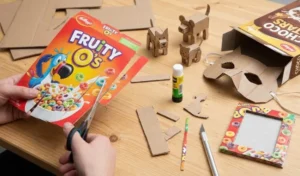
Cereal boxes provide the sturdiest base for cards because the cardboard is thick enough to stand upright when folded. The plain brown interior gives you a neutral canvas, while the colorful printed side can become decorative accents when cut into shapes. Cut boxes open completely and flatten them before measuring your card dimensions.
Junk Mail and Old Envelopes
Security pattern envelopes from bills make surprisingly beautiful card layers when you flip them inside out to show the blue or gray patterns. Colorful mailers and postcards work great for die-cut shapes or collage elements. Avoid glossy coated pieces since they won’t take glue well and can’t be recycled again.
Beginners often struggle with warping when using thin junk mail paper. Back delicate scraps with sturdier cardboard from cereal boxes to prevent curling and give your design stability.
Brown Paper Bags
Brown paper bags from the grocery store create a rustic, natural look perfect for minimalist Valentine designs. The material is sturdy enough to fold cleanly but soft enough to write on easily. Cut bags apart at the seams to get the largest flat pieces possible.
Old Book Pages and Sheet Music
Damaged books and outdated sheet music give Valentine cards instant vintage charm. The aged paper tones (cream, yellow, tan) create warmth without adding paint or ink. Choose pages with interesting fonts or musical notes as background texture.
Simple Card Designs Using Scrap Paper
Layered Heart Collage Card
Cut a cereal box into a 5×7 inch folded card base. From junk mail security envelopes, cut three progressively smaller hearts (roughly 4 inches, 3 inches, and 2 inches wide). Layer and glue them onto the card front, allowing patterns to peek through.
This design works because different paper textures create visual interest without requiring drawing skills. You can write your message on brown paper bag scraps cut into small rectangles and glue those inside.
Window Cut-Out Card
Fold a brown paper bag piece into a 4×6 inch card. Cut a heart shape window in the front panel about 2 inches wide. Behind the window, glue a piece of colorful junk mail or old book page so it shows through.
The window technique adds dimension and surprise when someone opens the card. Make sure your cuts are clean.
Minimalist Stamped Message
Use a whole side of a cereal box (interior brown side facing out) as a postcard-style Valentine. Hand letter your message directly on the brown surface or create a simple heart stamp from a potato or eraser. This ultra-simple approach works when you want the message itself to be the focus.
Making Matching Envelopes from Recycled Paper
Basic Junk Mail Envelope
Take a large piece of junk mail (at least 8×11 inches) and place your finished card on top. Trace around the card adding 1 inch on all sides for flaps. Score fold lines with a bone folder or butter knife, then fold and glue the side and bottom flaps.
Security pattern envelopes you receive in the mail work perfectly when carefully opened and used as templates. Trace their shape onto any flat recycled paper.
Brown Bag Envelope Pouch
Cut a 9×6 inch rectangle from a brown paper bag. Fold the bottom third up and glue just the side edges to create a pocket. Fold the top third down as a flap and secure with a sticker or wax seal.
This pouch style envelope looks intentionally handmade rather than like you couldn’t afford proper supplies. The brown paper accepts stamps and pen ink beautifully.
DIY Seed Paper Valentine Cards
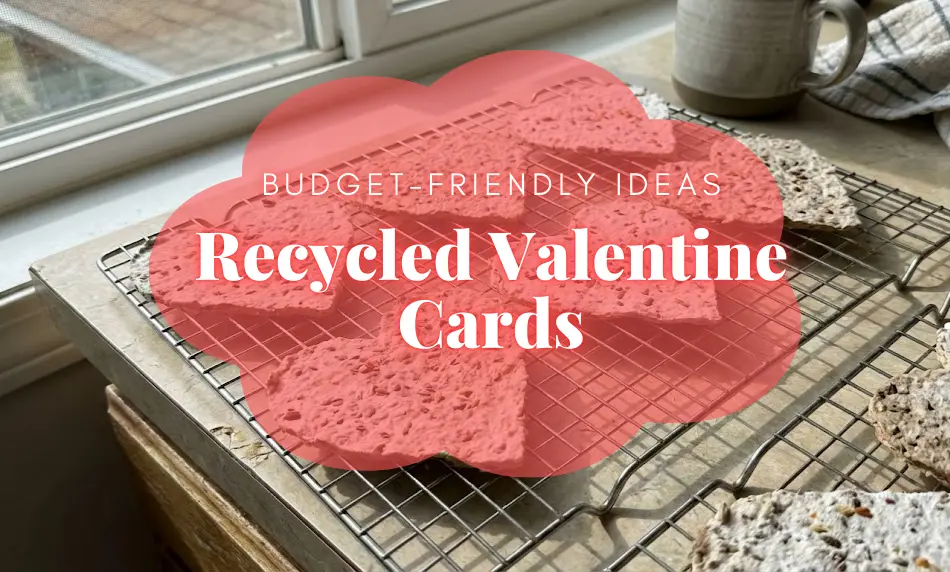
Seed paper Valentines are made by pulping scrap paper with water, mixing in wildflower seeds, and drying the mixture in heart shaped molds or cookie cutters. Recipients can plant the entire card in soil and watch flowers grow. This is the ultimate zero waste Valentine card option.
The process requires blending shredded paper with water until smooth, straining excess liquid, mixing in seeds, pressing the pulp into molds about 1/4 inch thick, and air drying for 48 hours.
Fixing Common Issues with Thin Paper
When magazine pages or lightweight junk mail won’t hold their shape, back them with cereal box cardboard before cutting your final card shape. Apply glue to the entire surface of the thin paper, smooth it onto the cardboard backing, and let it dry completely under a heavy book for 30 minutes.
Soggy card bases happen when you use too much liquid glue. Switch to glue sticks or rubber cement for thin papers, or let each glued layer dry 10 minutes before adding the next element.
If glue won’t stick to glossy surfaces, lightly sand the shiny coating with fine sandpaper (220 grit) or skip those pieces entirely since glossy paper can’t be recycled again anyway.
Looking to expand your stash of sustainable supplies? Discover exactly which items are safe to upcycle and how to properly clean them in our comprehensive guide to eco-friendly Valentine craft materials before you start your next project.
Repurposing Old Greeting Cards You’ve Received
Old Valentine cards with sentimental messages create a dilemma because you don’t want to throw away the handwriting but the cards take up space. Cut out just the meaningful handwritten portion and mount it inside your new recycled card as a vintage love letter element.
Forum users on r/upcycling suggest selectively cutting hearts, flowers, or other motifs from old cards to collage onto new designs while avoiding glossy sections. This preserves memories while giving materials a second life.
Mixed material commercial cards with plastic coating, foil, glitter, or metal charms usually can’t go in standard paper recycling. Remove non-paper pieces first if you want the card body to be recyclable, or use those embellishments as decorative additions to your new cards.
Quick Tips for Clean Edges and Professional Finish
Use a ruler and sharp scissors or craft knife for all straight cuts. Dull blades create jagged edges that make recycled materials look sloppy instead of intentional. Replace blades frequently.
Corner rounders (small punch tools) instantly make homemade cards look more polished. They cost about $5 and work on all paper thicknesses. Round just the front corners of your card for a subtle professional touch.
Bone folders or even a butter knife edge help you score clean fold lines in thicker materials like cereal boxes. Score on the inside of your fold (the side that will be concave) so the cardboard bends smoothly without cracking.
Finishing Touches Without Buying Supplies
Write messages with whatever pen you have, even a basic ballpoint. The handwritten element is what makes the card special, not fancy calligraphy. If your handwriting feels messy, print your message on scrap paper and glue it inside the card.
Natural twine from produce bundles, ribbon from old gift wrap, or even strips of fabric from worn-out clothes can tie around cards for decoration. Dried flowers or leaves from your yard add texture when glued to the front.
Red and pink don’t have to dominate just because it’s Valentine’s Day. Brown paper with black or dark blue writing looks sophisticated and modern. Your recycled materials already have colors and patterns built in.