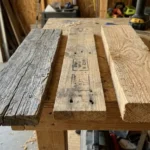
You’re eyeing that pile of free pallets at the shipping yard, imagining a rustic coffee table for your living room. But wait. Before you haul that wood inside, you need to know if it’s actually safe for your family to breathe around every day.
Safe recycled wood indoors starts with understanding what chemicals might be lurking in those weathered boards. This guide walks you through the exact stamps to look for, the tests you need to run, and the red flags that mean “leave it outside.” We’re talking health checks only here, because bringing toxic wood into your home isn’t worth any DIY project.
Why Indoor Safety Differs from Outdoor Projects
Indoor air quality matters differently than your backyard deck. When wood sits in your climate-controlled home, it can slowly release volatile organic compounds (VOCs) into the air you breathe 24/7. Outdoor projects get constant ventilation, but your living room doesn’t have that luxury.
Reclaimed wood that hasn’t been properly kiln-dried may offgas VOCs, triggering respiratory issues over time according to EPA indoor air guidelines. Kids and pets spend hours on floors near furniture, making exposure risks even higher. The stakes change when wood moves from your garage to your bedroom.
Decoding Pallet Stamps: Your First Safety Filter
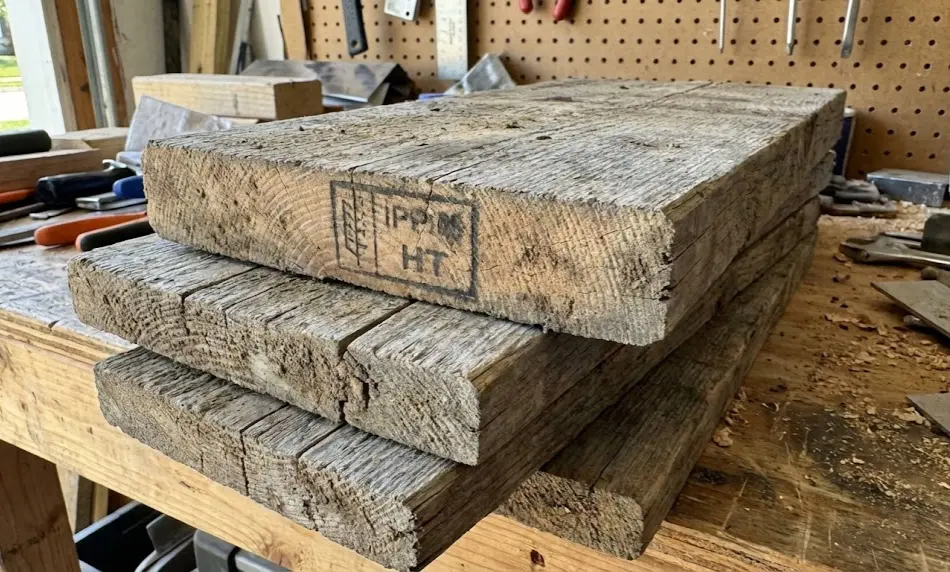
The IPPC (International Plant Protection Convention) stamp tells you everything about how that pallet was treated. US pallets following ISPM-15 standards get marked with either “HT” or “MB,” and only one of those belongs anywhere near your home.
HT (Heat Treated): The Safe Choice
Heat treated pallets reach 56°C (133°F) for 30 minutes minimum, killing pests and mold without chemicals. This process makes wood safe for indoor furniture because no toxic residues remain. Look for the “HT” marking next to the IPPC logo, it’s your green light for indoor projects.
MB (Methyl Bromide): The Toxic Red Flag
Methyl bromide fumigation was common for international shipping pallets, but it’s an ozone-depleting neurotoxin. The EPA warns that MB-treated wood can leach chemicals and offgas VOCs indoors, creating serious health risks. If you see “MB” on a stamp, walk away immediately, no exceptions.
Unmarked Pallets: The Mystery Risk
Pallets without any IPPC stamp are the riskiest gamble you can take. Users on r/DIY and r/palletfurniture consistently report these are often custom or locally made pallets without treatment records. They could be contaminated with industrial oils, pesticides, or fungicides from unknown sources during their working life at warehouses or farms.
Testing for Lead Paint (Pre-1978 Wood)
Any reclaimed wood from structures built before 1978 needs lead testing, period. The Consumer Product Safety Commission mandates this because lead paint was standard in older buildings. Even low-dose lead dust causes neurotoxicity according to National Academy of Sciences studies, especially dangerous for children.
Home Depot and Lowe’s sell 3M LeadCheck swabs for around $8. Rub the swab on the wood surface (scratch through any finish first), and if it turns pink or red, that wood contains lead. Don’t sand it, don’t cut it, don’t bring it inside. Lead dust becomes airborne instantly and settles on everything your family touches.
Pesticide and Chemical Residue Testing
Pallets that hauled agricultural products or chemicals may have absorbed pesticides through years of contact. Home test kits for pesticide residues run $20 to $40 at hardware stores, but they’re worth it before you bring mystery wood into your home.
Focus on pallets from shipping yards, farms, or industrial sites. These sources have the highest contamination risk compared to retail pallets that only carried packaged goods. When you sand contaminated wood, those pesticide particles become airborne dust that’s especially toxic to pets (cats are particularly vulnerable according to r/DIY respirator discussions).
VOC Offgassing: The Invisible Indoor Threat
Volatile organic compounds don’t announce themselves with visible stamps or color-changing tests. You need to verify that your reclaimed wood supplier kiln-dried the material, which sanitizes pests and mold while reducing VOC levels to safe ranges.
Ask suppliers for documentation proving kiln-drying temperatures and duration. Ethical reclaimed wood companies provide this paperwork automatically. If wood wasn’t kiln-dried, it can continue offgassing indoors for months, causing headaches, eye irritation, and respiratory problems in sensitive individuals.
The EPA’s indoor air quality guidelines recommend keeping VOC sources minimal in living spaces. Wood that smells strongly of chemicals, mildew, or “old barn” shouldn’t come inside until it’s been properly treated and aired out.
When to Walk Away
Some wood just isn’t worth the risk, no matter how beautiful or free. Railroad ties soaked in creosote, treated lumber with green/brown chemical staining, and painted wood from unknown sources all fail the indoor safety test.
If you can’t verify the wood’s history through stamps or documentation, treat it as contaminated. The health risks to your family outweigh any cost savings. Stick with stamped HT pallets or purchase certified reclaimed wood from suppliers who provide safety documentation.
Professional Testing for High-Value Projects
For large furniture builds or whole-room installations, consider sending wood samples to a certified lab. Tests for heavy metals, pesticides, and VOC levels cost $100 to $300 but give you definitive answers. This makes sense when you’re investing significant time and money into a project that will live in your home for years.
Local environmental testing labs can analyze your samples within a week. They’ll provide a detailed report showing exactly what’s in that wood, letting you make an informed decision before you commit.
Next Steps: Sourcing and Preparation
Once you’ve confirmed your wood passes these safety checks, you’re ready to move forward.
Remember: safety testing happens before you bring wood home, not after it’s sitting in your garage. Plan your sourcing trips with a marker, notepad, and lead test swabs in hand. The few minutes you spend checking stamps and running tests protects your family from years of potential exposure.