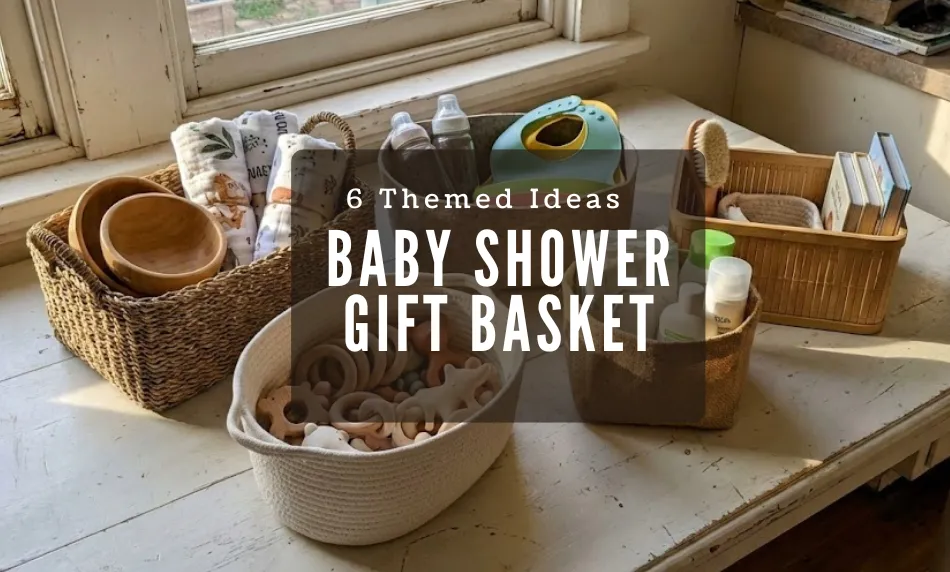
You found the cutest bamboo spoon set. You tracked down organic cotton onesies. Then it all arrived wrapped in plastic shrink film with a polyester ribbon and the whole “eco” point kind of collapsed.
Building a truly plastic-free baby shower gift basket takes more than just picking green products. It means rethinking the container, the filler, the wrapping and the contents. This master list covers six ready-to-shop themed baskets with budget ranges, material breakdowns, and a no-plastic checklist,so nothing sneaks through.
Why “No Plastic” Actually Matters for Baby Gifts
This isn’t just a trend. Research shows many plastics can leach chemicals like BPA and phthalates, especially when heated or reused — which is exactly what happens with baby bottles, bowls, and bath toys. New parents know this, and demand for plastic-free feeding and bathing products is climbing fast in North America, which holds roughly 40% of the global baby gift basket market.
The eco-friendly baby market is also growing because parents want items that are safer for infants’ skin and lungs and produce less landfill waste. When your basket skips plastic entirely, it signals real thought — not just a green sticker on the tag.
The Real Problem: “Eco” Baskets Still Wrapped in Plastic
Before we get into themes, this is the issue most guides completely ignore. Forum users in zero-waste communities regularly call out “sustainable” gift baskets that arrive in plastic shrink-wrap, plastic-lined gift bags, or with synthetic ribbon — completely undoing the eco intention.
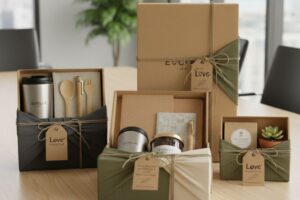
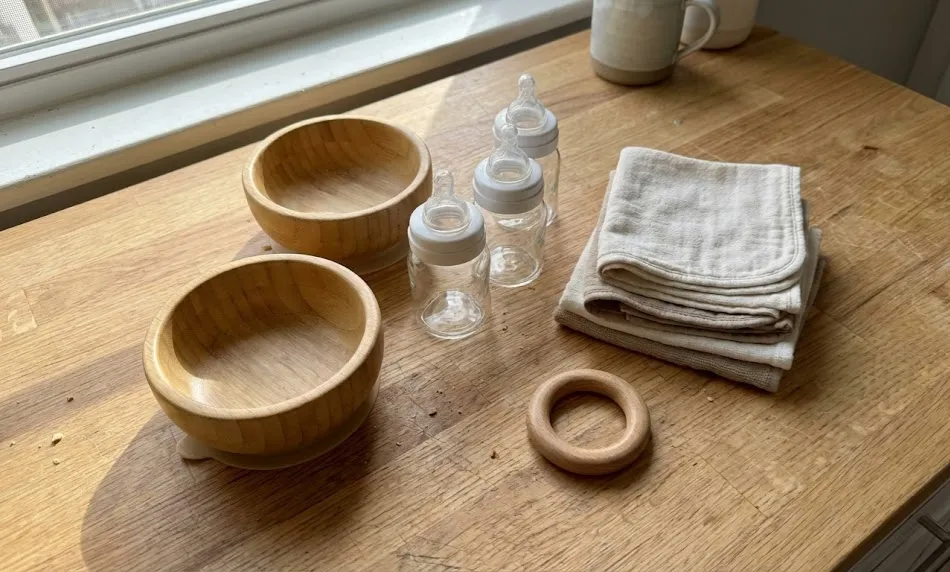
True plastic-free packaging means: fabric wrap (think furoshiki-style cotton or linen cloth), a reusable seagrass or woven cotton basket as the container itself, paper-wrapped twine or raffia ribbon, and crinkle-cut kraft paper or shredded newspaper as filler instead of plastic grass.
Brands like EarthHero, Grove Collaborative, and Package Free Shop ship products in plastic-free outer packaging, which makes sourcing individual items far easier than hunting through big-box stores.
6 Themed Sustainable Baby Shower Baskets
Each theme below works as a standalone gift. The container itself is part of the gift — choose reusable baskets that the family will actually keep using.
Theme 1: The Mealtime Basket
Budget range: $45–$85. This is one of the most practical themed baskets you can give, because parents will use these items daily for years.
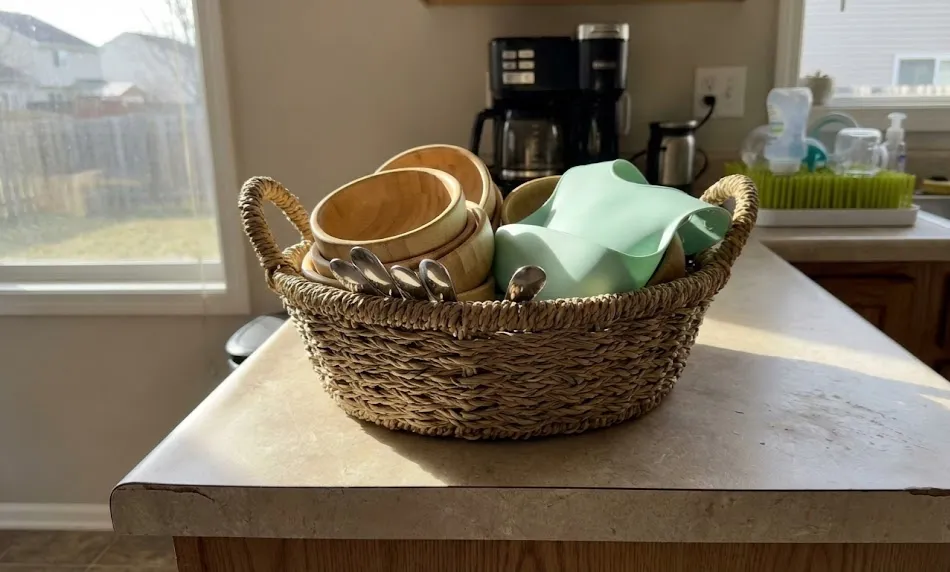
What to include: bamboo feeding bowls with lids (look for 100% bamboo, not bamboo-composite which often contains melamine binders), stainless steel baby spoons, a silicone bib with a catch pocket (silicone is plastic-free by classification and food-safe at all temperatures), and a set of organic cotton muslin bibs.
Container idea: a natural seagrass or woven water hyacinth basket with a handle. It converts into a toy storage bin or pantry basket after the baby grows out of mealtime gear — that heirloom durability is exactly what separates this from a throwaway gift.
Theme 2: The Nursing & Feeding Support Basket
Budget range: $55–$100. This one is for the parent doing the feeding, not just the baby — and it gets overlooked constantly.
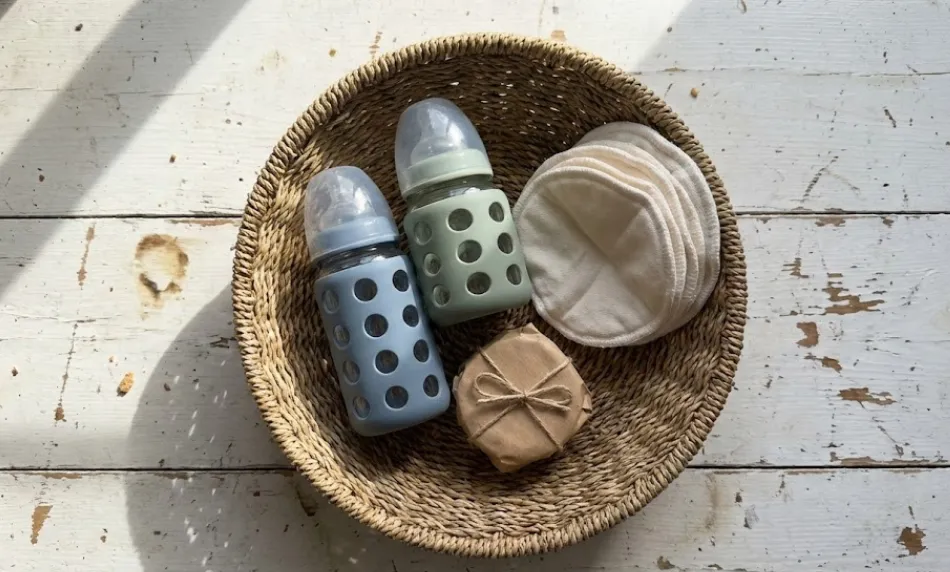
What to include: glass baby bottles (Lifefactory and Bornfree both make glass options with silicone sleeves for grip), organic cotton nursing pads (washable, not disposable), a natural lanolin nipple cream in an aluminum tin, and a bamboo fiber burp cloth set.
Skip the plastic bottle brush and swap in a stainless steel or bamboo-handled version with natural fiber bristles. It’s a small swap that rounds out the “no plastic” story beautifully.
Theme 3: The Bath Time Basket
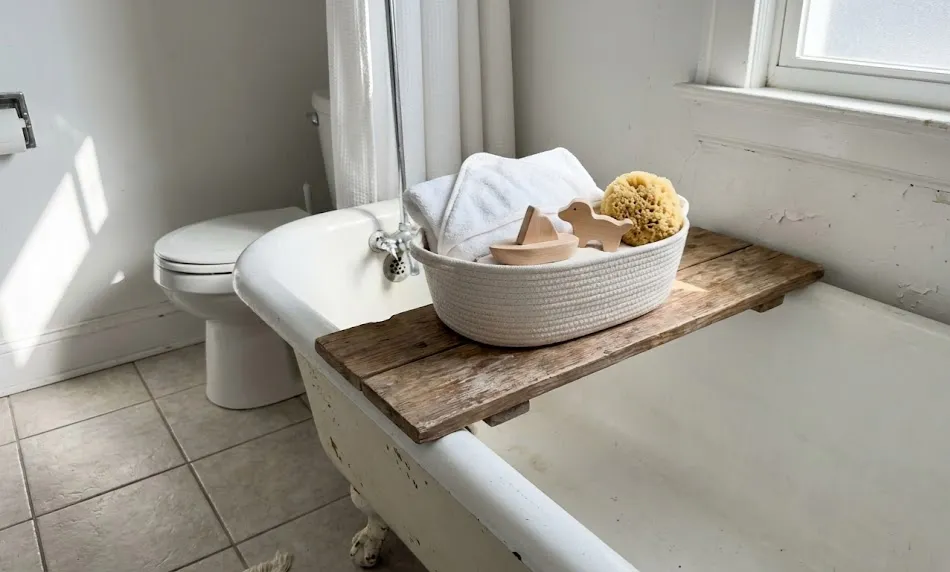
Budget range: $40–$75. Bath time is where plastic usually dominates — squeezy toys, plastic cups, synthetic-fiber washcloths. This theme flips all of that.
What to include: natural sea sponge or loofah (biodegradable, zero plastic), organic cotton hooded towel, a wooden bath toy or two (look for FSC-certified maple or beech wood, sealed with non-toxic beeswax), and a glass-jar baby wash with a pump that’s made of stainless steel, not plastic.
The wooden bath toys deserve a callout here. Solid wood teethers and bath toys are washable, sanitary when properly dried, and will genuinely last long enough to hand down to a sibling — a durability angle most checklist-style gift guides never bother to mention.
Theme 4: The Sleep & Comfort Basket
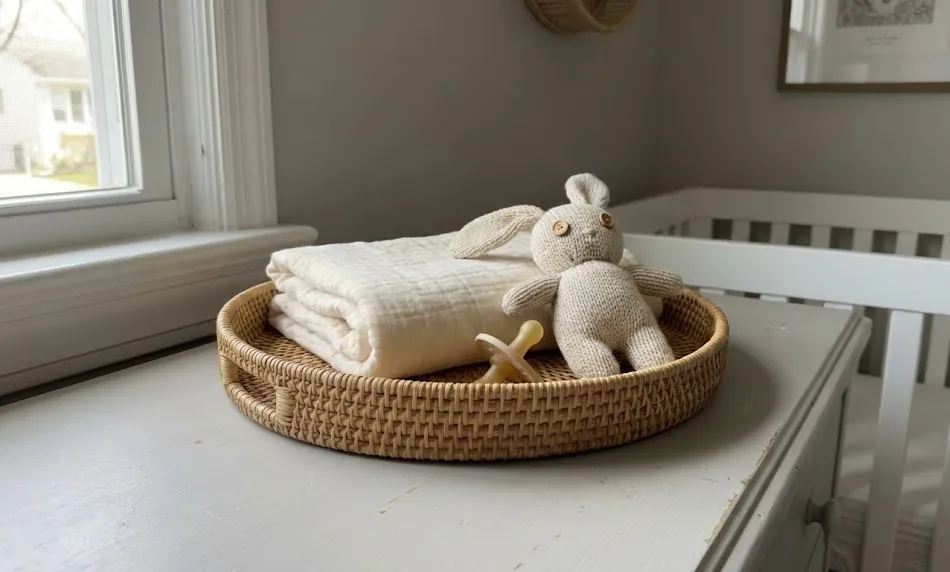
Budget range: $50–$90. Parents are always grateful for anything that helps a baby sleep — and this theme leans into natural, non-toxic comfort materials.
What to include: a GOTS-certified organic cotton swaddle blanket (Aden + Anais makes them; look for the GOTS tag), a natural rubber pacifier (Hevea and BIBS make 100% natural rubber options with no plastic nipple), a wood-and-organic-cotton stuffed animal, and a small sachet of organic lavender for the nursery drawer.
The GOTS certification matters. It guarantees the cotton was grown and processed without synthetic pesticides or chemical finishes — which is meaningful when fabric spends hours against a newborn’s skin.
Theme 5: The Toy & Sensory Basket
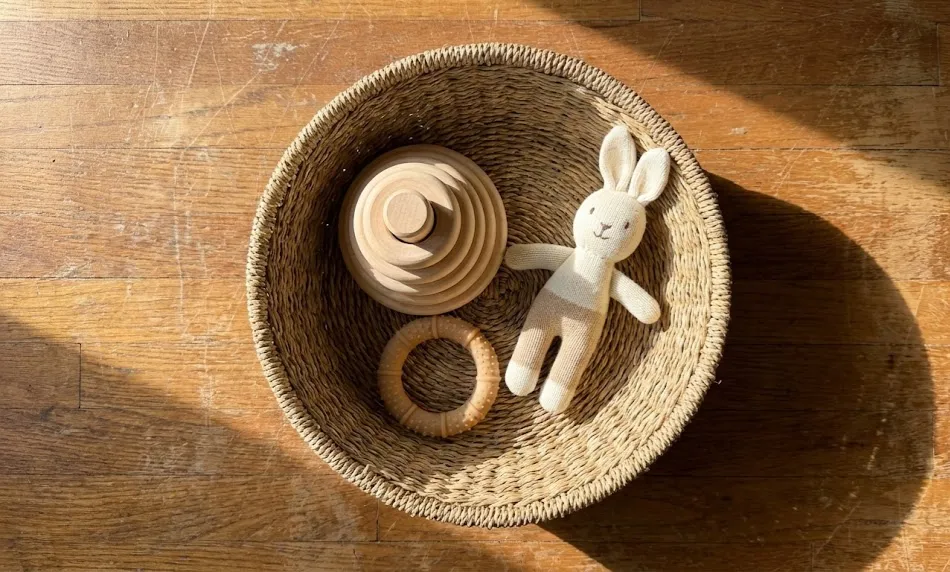
Budget range: $50–$95. Toys are arguably the biggest plastic offender in any baby shower haul. This basket proves you don’t have to compromise on fun.
What to include: solid maple wood stacking rings (Grimm’s and Hape are widely available at US toy stores), a natural rubber teething ring, organic cotton rattle filled with natural seeds, and a set of beeswax crayons for when the baby reaches toddler age — making this a gift with longevity built in.
Thick-knit organic cotton soft toys and solid wood pieces resist the “thin and cheap” look that makes some people hesitant about eco gifts. These are heirloom-quality items that photograph beautifully and actually survive the toddler years.
Theme 6: The Skin Care & Wellness Basket
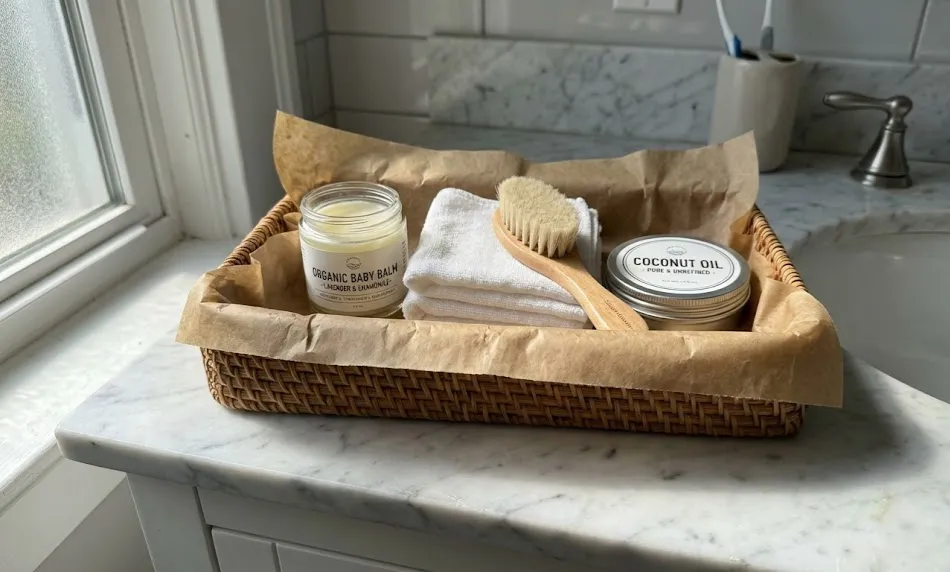
Budget range: $35–$65. Newborn skin is sensitive to everything — this basket focuses entirely on what goes on the baby.
What to include: a glass-jar organic baby balm (Earth Mama is a widely available US brand), organic cotton washcloths (thicker weave holds up through dozens of washes), a wooden baby hairbrush with natural boar bristles, and a tin of organic coconut oil for dry patches.
Look for products packaged in glass, aluminum tins, or cardboard — not pump bottles or tubes with plastic flip caps. The packaging rule applies here just as much as the ingredient list.
The No-Plastic Checklist Before You Wrap
Run every single item through this checklist before the basket leaves your hands. It takes five minutes and it’s the difference between a truly plastic-free gift and one that just looks the part.
Container: Woven seagrass, cotton rope, wicker, or wood — not plastic-coated wire or synthetic woven bins.
Filler: Shredded kraft paper, crinkle-cut newspaper, or a layer of organic muslin — not plastic Easter grass or synthetic tissue paper.
Wrap: Cotton fabric (furoshiki wrap), kraft paper, or a cotton tote bag — not cellophane, shrink wrap, or plastic-lined gift bags.
Ribbon/Tie: Natural raffia, cotton twine, or linen ribbon — not polyester ribbon or metallic plastic ties.
Products: Verify materials — bamboo, glass, stainless steel, organic cotton, natural rubber, silicone, wood. If the product description says “BPA-free plastic,” it’s still plastic.
Packaging: Check that the individual product packaging is cardboard, glass, aluminum, or paper — not plastic blister packs or shrink-wrapped inserts.
What Are the Best Stores for Plastic-Free Baby Gift Items?
This is one of the most common questions around eco-friendly baby shower shopping, and the honest answer is: you’ll likely mix sources. EarthHero and Package Free Shop carry curated plastic-free product lines and ship in plastic-free packaging. Grove Collaborative offers a wide range of organic baby care. For toys, Bella Luna Toys and Magic Cabin specialize in Waldorf-style wood and natural fiber options available to US shoppers. Target and Whole Foods carry some of the brands mentioned above (Earth Mama, Hevea, Aden + Anais) in-store, which is helpful if you’re shopping last minute.
The key is to check the outer shipping packaging when ordering online — some otherwise excellent eco brands still default to plastic mailers. Most will swap to paper mailers if you ask via their customer service or choose a “sustainable shipping” option at checkout.