
3 No-Cut Pallet Planters That Fit Balconies Under 5×5 Feet—$0 Materials, Zero Tools Needed
Staring at a cramped balcony and dreaming of fresh herbs? You’re not alone—thousands of urban renters are turning bare 5×5-foot spaces into lush mini gardens without drills, saws, or even a single cut. These three pallet planter designs use free materials you can grab from local stores and assemble in under an hour with just your hands and some zip ties.
No landlord complaints, no expensive kits, no woodworking skills required. Just simple stacking, clever positioning, and the joy of harvesting basil from your own balcony railing.
At a Glance
Difficulty: Beginner-friendly (no tools needed)
Avg. Cost: $0-10 (free pallets + optional soil/fabric)
Perfect For: Apartment dwellers, renters with small balconies, first-time gardeners seeking instant gratification
3 Creative Ideas to Try
1. Vertical Herb Wall Planter
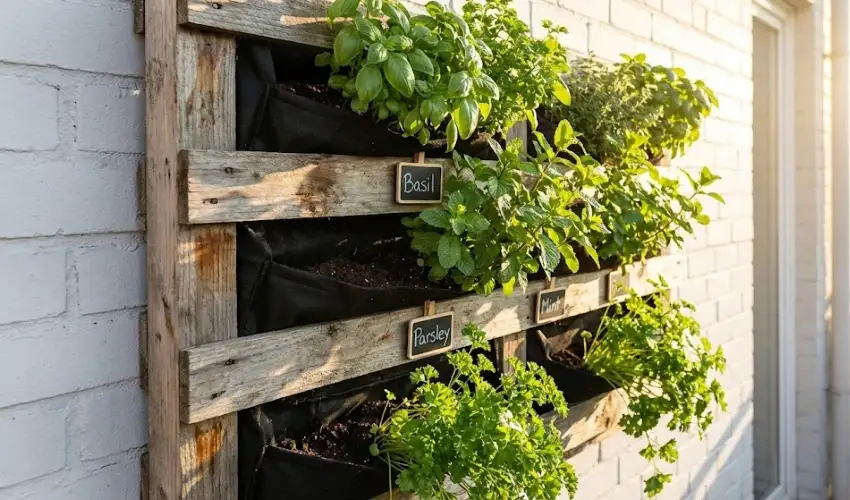
This space-saving wonder transforms a single pallet into a 12-pocket vertical garden that fits snugly in a 2×4-foot corner. You’ll disassemble the slats by hand—no saw needed—then stack them into a leaning frame secured with heavy-duty zip ties and lined with breathable landscape fabric to hold soil. The slatted design creates natural pockets where herbs like basil, cilantro, and thyme can thrive at eye level for easy snipping.
The magic here is yield density—while flat planters struggle to fit more than four pots in the same footprint, this vertical approach delivers three times the harvest. Each pocket drains independently, preventing the root rot that plagues traditional box planters when renters can’t drill drainage holes. You’ll harvest fistfuls of fresh herbs weekly instead of watching sad, waterlogged stems turn yellow.
Start by collecting your pallet from behind furniture stores (they’re usually free for the asking), then watch our community’s #LoveHobbyCraftUpcycles hashtag for real-time assembly tips from fellow balcony gardeners.
2. Corner Stack Planter
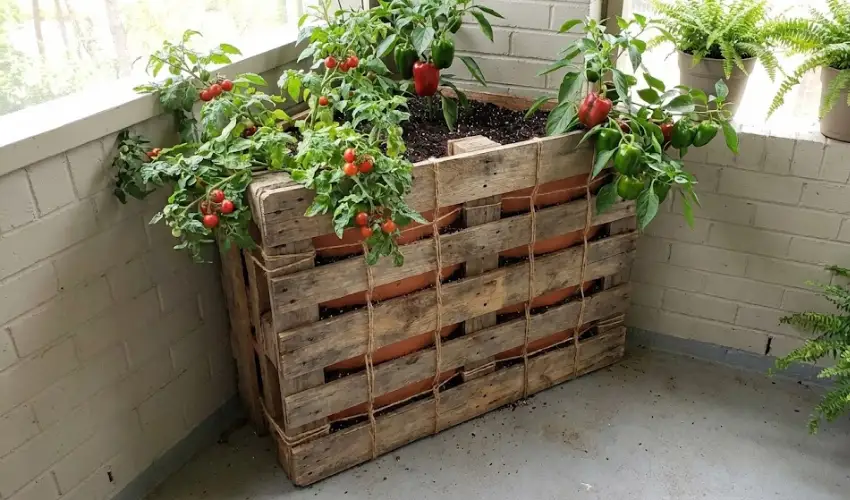
Perfect for awkward balcony corners that collect shadows, this design stands a whole pallet upright and reinforces the slats with simple twine weaving—no screws, no complicated joinery. The bottom gets a layer of gravel for drainage (crucial since you can’t drill through apartment floors), topped with rich potting mix that supports eight full-size vegetable plants. Tomatoes and peppers actually prefer the slight afternoon shade these corners provide, protecting delicate leaves from scorching while still delivering enough sun for fruiting.
What sets this apart is the instant stability—competitors’ disassembled designs wobble and require wall mounting, but this upright method self-supports through sheer weight distribution. The natural gaps between slats create airflow that prevents mildew, a common killer in humid urban microclimates where balconies trap moisture. You’ll enjoy cherry tomatoes by midsummer without the fungal disasters that plague enclosed box planters.
Secure the twine in a figure-eight pattern around each corner post, pulling snug but not tight enough to crack the wood—it’s forgiving and adjustable as your plants grow heavier.
3. Hanging Balcony Trio
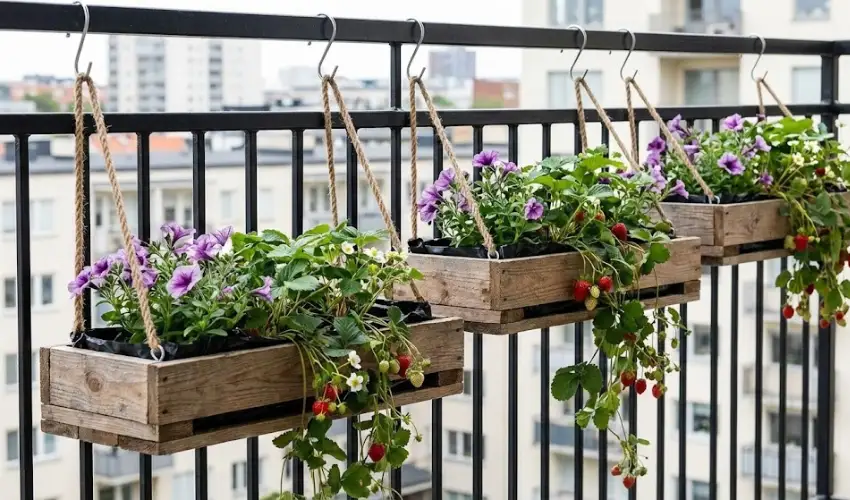
Renters rejoice—this no-drill hanging system breaks one pallet into three shallow trays suspended from your railing with thick rope and rust-proof S-hooks. Each tray gets lined with repurposed plastic (old grocery bags work perfectly) to create waterproof pockets for trailing plants like strawberries, nasturtiums, or compact lettuce. The staggered heights create a cascading effect that maximizes sunlight exposure while keeping weight distributed evenly across the railing.
The breakthrough is flexibility—unhook and rearrange your planters weekly to chase the sun as seasons shift, something impossible with fixed vertical walls. This design also solves the “floor space zero” problem for studio balconies where even a 2×2-foot footprint feels intrusive. Your landlord can’t complain about modifications since everything detaches in seconds, and the shallow depth (just 4 inches) means soil costs stay under $5 total.
Knot your rope in a bowline loop (it won’t slip but stays easy to untie), and space the S-hooks 8 inches apart to prevent crowding as strawberry runners spread.
Cost Breakdown: All Three Planters Combined
| Item | Cost | Notes |
|---|---|---|
| Pallets (3 total) | $0 | Ask furniture stores, grocery warehouses—they’ll happily offload them |
| Potting Soil (1 cu ft) | $8 | Bulk bags beat small pots; mix 50/50 with compost for nutrition |
| Landscape Fabric (3×6 ft) | $5 | One roll lines all three projects; skip pricey weed barriers |
| Zip Ties/Twine Pack | $3 | Heavy-duty 50-lb test; reusable if you upgrade later |
| Plants/Seeds | $0-10 | Propagate from grocery store herbs or swap with neighbors |
| Total Investment | $16-26 | Compare to $80+ prefab balcony kits that hold fewer plants |
Troubleshooting: What Nobody Else Tells You
Rot Prevention: Pallets marked “HT” (heat-treated) last 3+ years outdoors versus “MB” (methyl bromide) which degrades in months. Check the stamp on the side rail before hauling home—it takes five seconds and saves you from replacing soggy wood next spring.
Drainage Disasters: If water pools on your balcony floor, tilt planters 2-3 degrees toward the railing using wood shims under the back edge. Gravity does the rest, and your downstairs neighbor won’t complain about drips. Line catch trays with pebbles to elevate drainage holes above standing water.
Soil Compression: Potting mix settles 30% in the first month as you water. Top up every two weeks with fresh compost to keep root zones fluffy and prevent the sunken, cracked surface that strangles plant growth.
Final Thoughts
Your 5×5-foot balcony just became a productive food source with zero power tools and the cost of a single restaurant salad. Pick the design that fits your sunlight situation, then share your harvest photos with our community—we’re building a library of urban micro-gardens that prove square footage doesn’t limit green thumbs.
Check out our Eco-Friendly Crafts section for more upcycled inspiration, or search “pallet projects” above to discover furniture and décor ideas using the same free materials.