Your children have likely seen the trendy, colorful clay projects flooding social media. Naturally, they are begging to roll up their sleeves and make their own charms and trinkets.
But as a mindful parent, your alarm bells are probably ringing. You are caught between nurturing their creativity and worrying about hidden toxins, petroleum-based plastics, and indoor air quality.
Why Parents and Eco-Home Owners Are Worried About Polymer Clay
Balancing creative freedom with a safe, low-tox household is a constant struggle for modern parents. It is incredibly easy to feel paralyzed when trying to decipher the complex labels in the craft aisle.
You want to support their artistic expression, but not at the expense of your family’s health or your environmental values. Understanding exactly what you are bringing into your eco home is the first step toward confident, worry-free crafting.
What Polymer Clay Actually Is (and How Modern Formulas Changed Safety)
To make an informed decision, we have to look past the marketing and examine the core chemistry of these materials. The safety profile of this popular crafting medium has evolved significantly over the last two decades.
From PVC and Plasticizers to Phthalate-Free Formulas
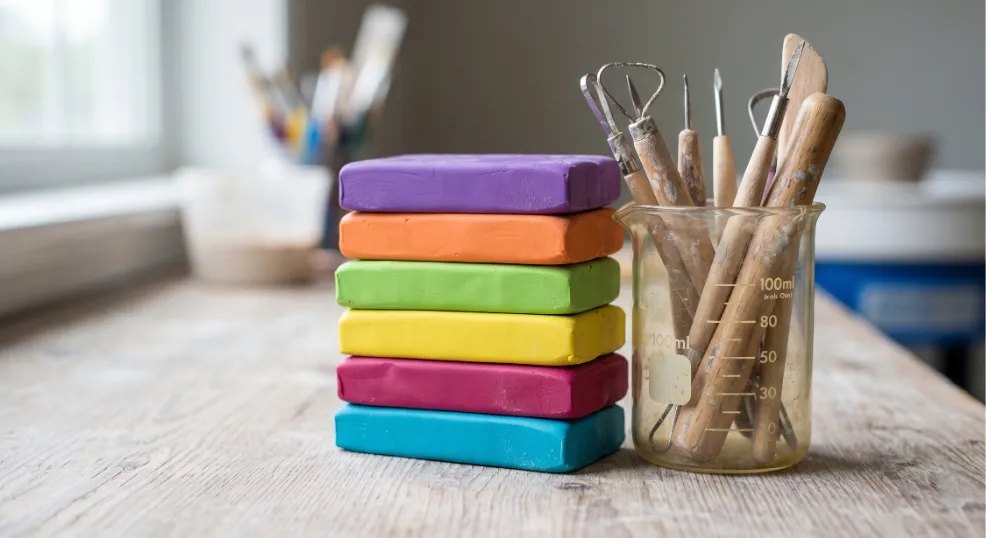
Polymer clay is not actually clay in the traditional sense; it is a synthetic material primarily composed of polyvinyl chloride (PVC) resin. To make this rigid plastic soft and moldable, manufacturers mix in plasticizers and pigments.
Historically, these plasticizers were a major source of concern. Older formulations heavily relied on phthalates, which raised significant health red flags regarding hormone disruption.
Thankfully, sweeping changes like the CPSIA phthalate regulations forced a major industry pivot regarding children’s products. Today, reputable brands use modern formulations featuring a much safer citrate-based plasticizer. This shift to phthalate-free formulas is why recent safety advice often directly contradicts information published before 2009.
Safety Standards and Certifications: What the Labels Really Mean
When you look at a package of modern modeling clay, you will likely see a badge stating it is AP certified non-toxic. This seal, issued by the ACMI, means a toxicologist has evaluated the product and determined it contains no materials in sufficient quantities to be toxic or injurious to humans.
You will also frequently spot compliance with ASTM D-4236 and the EN-71 toy safety standard. While these certifications are reassuring, they simply guarantee the product is safe for its intended use, not that it is entirely free of synthetic chemicals. They also do not provide a full environmental clearance for eco-conscious disposal.
Always pay close attention to the age grading on the package, which typically specifies 8+ years for oven-bake clays. This rating is tied directly to the choking hazard presented by small parts and the maturity required to handle baking. If you ever need deep technical details, you can always request the manufacturer’s Safety Data Sheet (SDS).
Is Polymer Clay Safe for Kids to Touch, Play With, and Bake?
Evaluating safety requires breaking down exactly how your child will interact with the material. We need to look closely at skin exposure, accidental ingestion, and the baking process.
Skin Contact, Sensory Play, and Fine Motor Skills
During normal handling, children are kneading, shaping, and rolling the material for extended periods. The typical risk profile for skin contact exposure with certified non-toxic modeling clay is incredibly low.
The ingredients are stable at room temperature and do not readily absorb through the skin. However, diligent hand-washing with soap and water after crafting remains essential to remove any lingering residue or pigments.
When handled safely, this medium offers incredible benefits for early childhood development. It provides rich sensory play and is an unparalleled tool for honing fine motor skills as children build tiny, intricate objects.
Kids Who Mouth or Bite Objects: Special Considerations for Toddlers
Many parents wonder if polymer clay is safe for toddlers to play with. The short answer is that traditional oven-bake clays are not recommended for children who still put things in their mouths.
There is a vast difference between the risks of ingestion vs skin contact. While touching the clay is safe, swallowing raw PVC and plasticizers is not advisable, and small broken pieces present a severe choking hazard.
Keep unbaked clay strictly away from children under three years old. Always supervise pretend food play closely, and ensure that finished projects are stored out of reach of curious toddlers. Focus on age-appropriate materials for your youngest family members.
Baking Polymer Clay in a Family Kitchen: Fumes, Temperature, and Ventilation
The most common anxiety centers around baking fumes and whether they are toxic in a home oven. When baked at the recommended temperatures (usually between 250°F and 275°F), modern clays do not release highly toxic gases.
The real danger arises only if the clay overheats or scorches, which causes the PVC to break down and release harmful, irritating fumes. Normal baking does produce a distinct plastic odor caused by minor off-gassing of volatile organic compounds (VOCs).
To maintain healthy indoor air quality, always bake in a well-ventilated area by opening windows or running an exhaust fan. If you craft frequently, investing in a dedicated craft oven placed in a garage or on a porch is the best way to keep odors out of your shared kitchen oven.
What If My Child Eats Polymer Clay by Accident?
Accidents happen, and knowing how to react can prevent a panic. If a child swallows a very small piece of modern, non-toxic clay, it will typically pass through their system without causing a toxicological emergency.
However, you should closely monitor them for any signs of gastrointestinal distress or blockage. Do not induce vomiting unless specifically instructed by a medical professional.
Always keep your local poison control center number readily available. Having the product’s Safety Data Sheet (SDS) handy can also provide peace of mind and exact chemical details if a doctor needs them.
Does Polymer Clay Belong in an Eco-Home? Health vs Environmental Impact
Even if a product is deemed safe for human contact, it may still clash with your family’s environmental philosophy. We have to look at the entire lifecycle of the material to see if it fits within a green home.
PVC, Microplastics, and End-of-Life Disposal
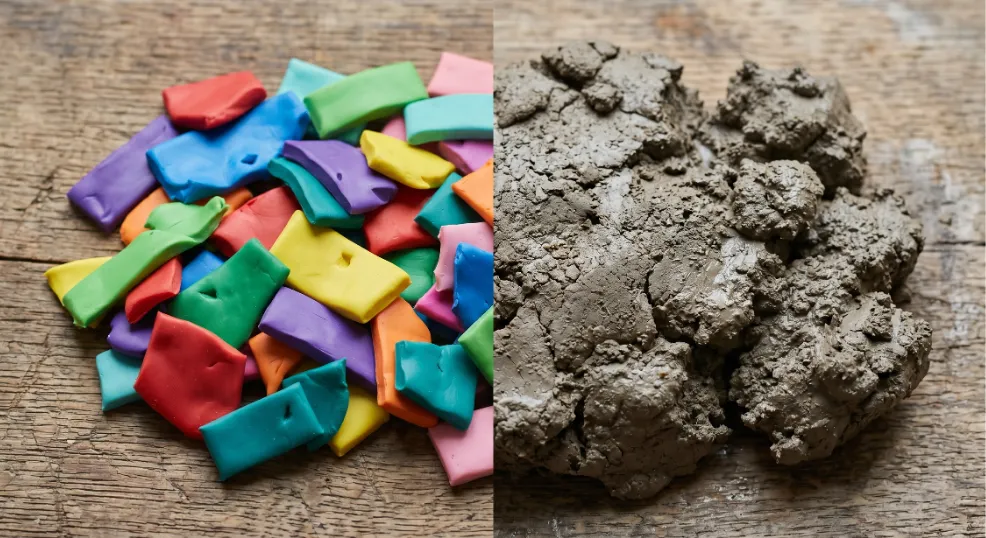
From an environmental standpoint, polymer clay is ultimately a PVC plastic waste product. It is highly durable and completely non-biodegradable, meaning it will sit in a landfill indefinitely.
In a low-waste household, you must also consider how scraped crumbs, sanding dust, and broken pieces contribute to household microplastics. These tiny particles easily find their way into water systems if washed down the sink.
Proper end-of-life disposal is critical; never burn cured clay, as incineration releases dangerous toxins. Keep all scraps out of your general compost streams, and prioritize reusing scrap clay for the inner cores of new projects to minimize waste.
Comparing Polymer Clay to Natural and Air-Dry Alternatives
When searching for the safest modeling clay for kids, it helps to weigh your options. Polymer clay offers unmatched durability, fine detail retention, and vibrant colors that do not fade.
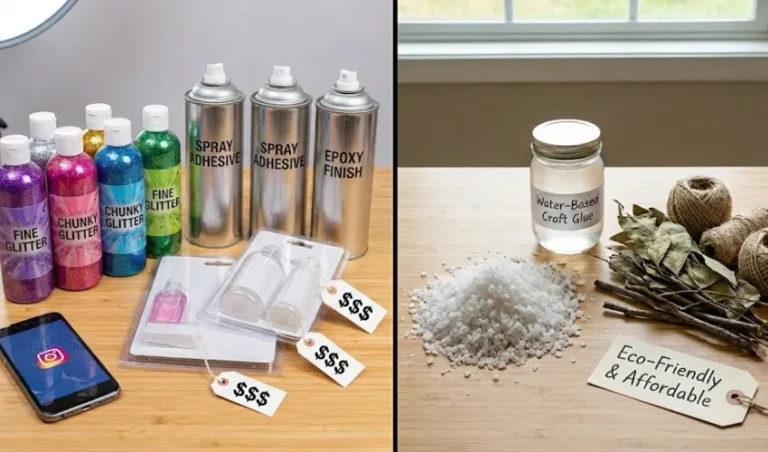
However, air-dry clay, salt dough, and natural modeling clay alternatives are vastly superior for strict eco-homes. Natural mineral clays are entirely biodegradable and earth-friendly, though they can be messier and more brittle when dry.
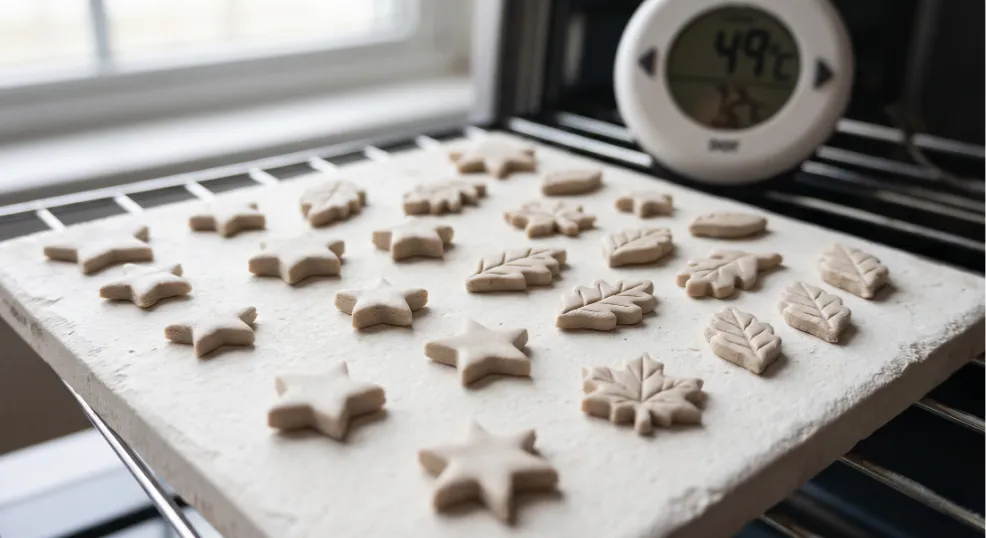
Salt dough is the ultimate safe, non-toxic dough recipe, completely free of plastics and perfect for toddlers. By comparing these eco-friendly craft materials, you can easily match the right medium to your family’s specific tolerance for mess and environmental impact.
Practical Guidelines for Different Types of Families
Every home has different needs, ages, and risk tolerances. Creating a safe crafting environment means adapting the rules to fit your specific household dynamics.
For Households with Toddlers and Kids Who Mouth Objects
If you have under-3s sharing space with older siblings, strict physical boundaries are necessary. Toddlers are naturally drawn to the bright, candy-like colors of synthetic clays.
Prioritize natural doughs and sensory-safe play for the youngest children entirely. For older siblings, enforce a rule that all polymer clay projects must be crafted at a high table and stored safely out of reach when not in use.
For School-Age Kids and Tweens Who Love Detailed Crafts
Older children and tweens can use this medium safely and somewhat independently under clear, established rules. This is a fantastic age for DIY jewelry and fine motor skill practice.
Ensure they understand the absolute rules: no eating while crafting, rigorous hand-washing afterward, and no operating the oven unsupervised. Keep their craft tools strictly separated from your kitchen utensils to avoid any cross-contamination.
For Strict Eco-Homes and Low-Tox Households
For families dedicated to a low-tox lifestyle, bringing PVC into the home requires a deliberate choice. You may decide that plastic-free crafts align better with your green family values.
If you choose to use it, consider reserving it only for permanent keepsake projects rather than disposable afternoon play. Setting clear criteria around your PVC tolerance and indoor air priorities will help eliminate decision fatigue.
Safe Use Checklist and Parent Scripts for Real-Life Scenarios
Abstract warnings are hard to enforce. Translating safety guidelines into everyday language and practical household rules makes crafting stress-free.
Setting Household Rules Around Polymer Clay
Introduce the material with clear, easy-to-understand family guidelines. Explain that this is a “special art plastic,” not regular playdough, and requires a dedicated workspace like a silicone mat.
You can use a simple script: “This clay makes amazing permanent art, but it’s not safe for our bodies. We never lick it, we always wash our hands after, and an adult has to do the baking.” Setting supervised crafting boundaries from day one prevents bad habits from forming.
Managing Popular Scenarios: Pretend Food, Jewelry, and Room Décor
Forums are full of questions about making clay cupcakes, cookies, and wearable items. It is vital to separate home décor crafts from actual food contact.
Clay is fantastic for miniature pretend food play, but these items should never be given to children young enough to actually chew on them. Polymer clay jewelry is perfectly safe for skin contact, but avoid making items like drink stirrers, plates, or anything that will touch real food or enter the mouth.
Eco-Friendly Alternatives and When to Choose Them Instead
Sometimes the anxiety of managing synthetic materials outweighs the fun of crafting. Knowing when to pivot to greener options empowers you to maintain a healthy home.
When to Switch from Polymer Clay to Natural Clays
There are clear triggers that signal it is time to switch to natural ingredients. If you have very young children, family members with strong chemical sensitivities, or a home lacking proper kitchen ventilation, non-toxic dough recipes are the better choice.
Use salt dough for toddler sensory play, and natural mineral clay for outdoor messy art. Reserve air-dry options for school-age kids who want to paint their creations without the need for oven baking.
Hybrid Strategies: Keeping Polymer Clay for Special Projects Only
You do not have to adopt an all-or-nothing mindset. Many waste-conscious crafting families mostly use air-dry or salt dough for everyday play, but pull out the synthetic clay for special-occasion crafts.
Minimize your environmental impact by buying only the colors you need for specific projects to avoid an excess stash. Practice careful storage to prevent the material from drying out, and rigorously save and mix all scraps to ensure zero material goes into the trash.