The Confusion. You’ve got a stack of empty cereal boxes and a brilliant craft idea, but suddenly you’re wondering: “Is this actually safe? Can these printed boxes harm my kids? What about those food-contact inks?” You’re not alone—this question stops thousands of crafters mid-project.
The Promise. This guide cuts through the safety confusion using real migration data and regulatory standards. You’ll learn exactly when cereal box cardboard is perfectly safe for crafts, when to avoid it, and what the science actually says about recycled paperboard risks.
Understanding What Cereal Boxes Are Really Made Of
Multi-Layer Paperboard Construction. Cereal boxes aren’t just “cardboard”—they’re engineered packaging made from multi-layer paperboard (typically 200+ gsm) with professional-grade printing, coatings, and often recycled fiber content.
Virgin vs. Recycled Fibers. Food-grade cereal boxes commonly use two approaches:
- SBS (Solid Bleached Sulfate) boards for premium brands, offering virgin fiber quality
- CRB (Coated Recycled Board) or kraft-based variants that incorporate recycled content
- Inner plastic bag barriers that provide the actual food-contact protection layer
The Coating Factor. Most cereal boxes feature high-quality printing with water-based or low-VOC inks, plus additional coatings (UV gloss, aqueous finishes, or plastic laminations) that enhance shelf appeal but complicate assumptions about “safe reuse.”
The Science Behind the Safety Concern
Mineral Oil Migration is Real. Here’s the data that drives regulatory warnings: recycled paperboard made with newspaper and printed waste contains mineral oil hydrocarbons (MOH) from printing inks, with typical levels around 300–1,000 mg/kg detected in recycled cardboard.
Real-World Migration Studies. European researchers monitoring actual food products found concerning results:
- Egg pasta packaged in recycled paperboard absorbed approximately 30 mg/kg of MOSH (mineral oil saturated hydrocarbons) after 8 months at room temperature
- Accelerated testing at 40°C showed similar contamination levels in just 1 week
- Muesli and dry goods demonstrated consistent migration patterns over storage periods
Regulatory Position is Clear. Bodies including BfR (Germany), ANSES (France), and EDQM explicitly state that mineral oil migration from recycled board into food is “undesirable and should be minimized”—which is why commercial food packaging uses inner liners or functional barriers.
When Cereal Box Crafts Are Perfectly Safe
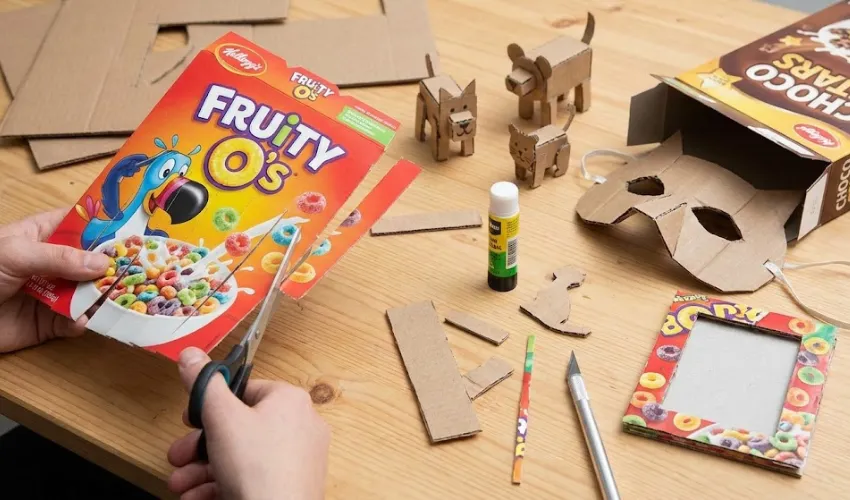
Non-Food, Non-Mouthable Projects Get the Green Light. Upcycling cereal boxes works beautifully for:
- Organization systems: drawer dividers, desk organizers, filing boxes
- Decorative items: wall art, scrapbook covers, gift tags
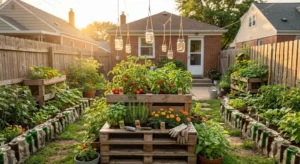
- Structural crafts: cardboard furniture, storage solutions, planter boxes
- Educational projects: vision boards, learning materials, science fair displays
The Key Safety Principle. As long as your project stays on the printed cardboard side and avoids direct contact with unpackaged food or anything a child will chew, suck, or put in their mouth, you’re safely within the material’s intended secondary use.
When to Choose Alternative Materials Instead
Food-Adjacent Crafts Require Different Materials. Skip cereal boxes for:
- Play kitchen items: toy dishes, pretend food containers, play utensils
- Toddler chewable toys: anything that goes in mouths regularly
- Food storage solutions: homemade snack boxes, lunch containers
- Direct food contact: serving trays, coasters for unwrapped foods
Better Alternatives for High-Safety Projects:
- Certified food-contact cardstock: Virgin SBS or boards meeting FDA 21 CFR 176.170/.180 standards
- Toy-grade materials: Cardboard specifically tested for children’s product safety standards
- Barrier-equipped recycled boards: Specialized “Foodboard” products designed for safe food contact while maintaining sustainability
Key Comparison: Cereal Box Safety by Project Type
| Project Category | Cereal Box Safety | Key Consideration | Alternative If Needed |
|---|---|---|---|
| Wall art, frames, tags | Perfectly Safe | No migration risk | N/A – ideal use case |
| Desk organizers, boxes | Perfectly Safe | Dry, non-food items | N/A – ideal use case |
| Drawer dividers | Perfectly Safe | No direct food contact | N/A – ideal use case |
| Play dishes, toy food | Not Recommended | Mineral oil migration risk | Toy-grade cardboard |
| Toddler chewable crafts | Avoid | Mouthable = unsafe | Food-contact approved board |
| Food storage containers | Avoid | Direct food migration | FDA-certified food board |
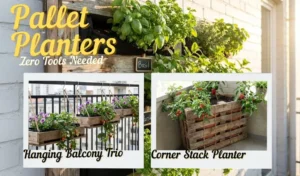
| Planters (exterior) | Safe | No food/mouth contact | N/A – works well |
The Eco-Impact Reality Check
Upcycling Wins for Waste Reduction. Transforming cereal boxes into crafts genuinely reduces landfill waste and extends material life cycles—this is authentic environmental benefit, not greenwashing.
But “Recycled” Doesn’t Mean “Safe for Everything.” The very characteristic that makes recycled paperboard eco-friendly (incorporating post-consumer waste) also introduces the contaminants that create food-contact concerns. Regulatory bodies specifically warn about this trade-off.
Positioning Eco-Craft Truthfully. When marketing cereal-box projects as “eco-friendly,” separate material reuse benefits from safety limitations. The honest message: “Great for reducing waste in non-food crafts, but printed/recycled board isn’t suitable for food contact or mouthable items due to mineral oil and ink migrants.”
Debunking Common Cereal Box Craft Myths
Myth: “If it held food, it’s food-safe forever.” Reality: Food safety applies to the complete packaging system (including that inner plastic bag), not to reusing the outer printed layer indefinitely in new contexts.
Myth: “Recycled cardboard is always the safest choice for kids.” Reality: Recycled paperboard excels at reducing waste but carries known migration risks from ink-derived mineral oils—authorities explicitly caution against using it for mouthable items.
Myth: “It’s just paper, so inks and coatings are harmless.” Reality: Packaging paper contains additives, colorants, plasticizers, and chemical treatments that may transfer into food or contact surfaces; chemical safety isn’t automatically benign.
The Verdict: Smart Crafting Guidelines
For 95% of Crafts, Cereal Boxes Are Excellent. Organization projects, decorative items, structural crafts, and educational materials all benefit from the sturdy, free material that cereal boxes provide.
Apply the Two-Filter Safety Test:
- Will this touch unpackaged food? → Use certified food-contact board instead
- Will children chew or suck this? → Use toy-grade materials instead
Budget-Friendly AND Responsible. Upcycled cereal boxes remain one of the best free craft materials available—just treat them like the printed packaging they are, not as certified food or toy materials.
Conclusion
Cereal boxes are safe, practical, and eco-positive for the vast majority of craft projects—from organizers to wall art to planters. The science-backed caution applies specifically to food-contact scenarios and mouthable children’s items, where mineral oil migration from recycled fibers and printing inks creates genuine safety concerns.
The smart crafter’s approach? Embrace cereal box crafts for their intended secondary purpose (dry, non-mouthable projects) while choosing certified food-contact or toy-grade materials when safety standards truly matter. This way, you reduce waste responsibly without compromising health.
Still looking for practical projects? Check our Upcycled Crafts category for tested cereal box ideas that maximize creativity while respecting safety boundaries.