You are standing in the paint aisle staring at a 99-cent brush pack and a premium angled sash brush. It is tempting to grab the bargain bin option to save cash for your actual materials. But choosing the wrong tool can easily sabotage your entire weekend project with shedding bristles and streaky finishes.
The truth is that both cheap and expensive paintbrushes have a rightful place in your crafting toolkit. The secret to flawless DIY projects is simply knowing which brush belongs to which task. Let us break down exactly when to save your pennies and when a quality brush is worth the investment.
When Cheap Brushes Actually Save the Day
There is absolutely no shame in utilizing dollar store tools for the right applications. In fact, for certain messy projects, buying a premium brush is just throwing money down the drain.
The Sacrificial Tool Strategy
Dollar store chip brushes excel at one-off jobs where the tool becomes a casualty of the craft. Think about applying heavy-duty contact cement, polyurethane glue, or tar-based sealers. These harsh chemical materials will permanently destroy even the highest quality bristles.
When you are working with heavy resins or sticky adhesives, you want a brush you can toss without a second thought. A 50-cent brush eliminates the guilt of throwing away a ruined tool. It also saves you from wasting gallons of toxic solvents trying to clean an unsalvageable mess.
Low-Stakes Crafting and Kids Projects
If you are hosting a weekend craft party for kids, bulk packs of cheap brushes are your best friend. Toddlers applying washable tempera paint to paper mache do not need streak-free precision. The ultra-low price point makes perfect sense for messy, high-energy activities.
They are also great for applying rough texture effects on theater props or Halloween decorations. When you actually want a gritty, imperfect, or rustic finish, the stiff bristles of a cheap brush can work in your favor. A few stray hairs left behind in a spooky prop just add to the aesthetic.
The Hidden Costs of Going Too Cheap
While bargain brushes are great for messy adhesives, they can quickly turn a beautiful furniture flip into a nightmare. Using a low-grade brush on a delicate paint job comes with several frustrating drawbacks.
Time Stolen by Shedding Bristles
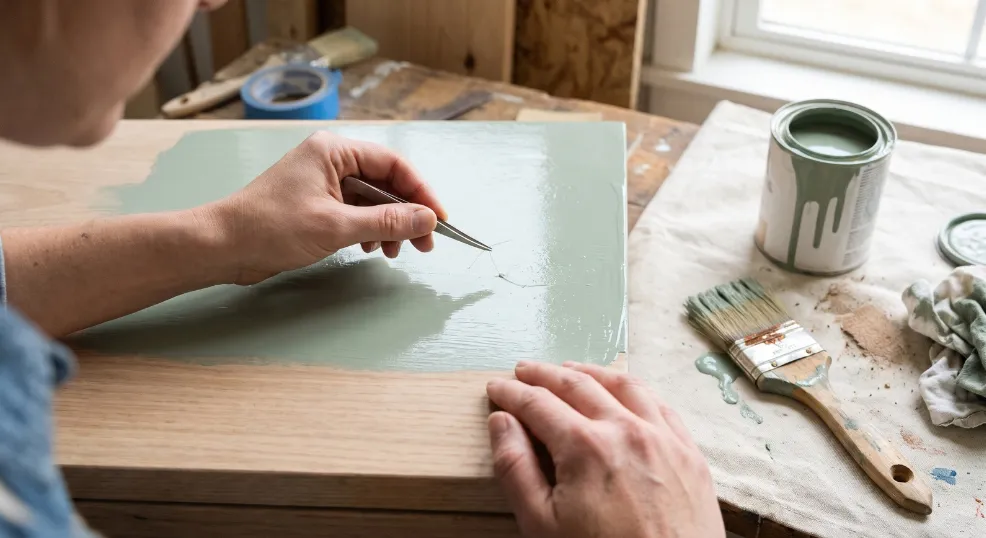
Cheap brushes are notorious for loose ferrules and severe bristle loss right out of the package. Imagine spending hours prepping a thrifted dresser, only to spend your painting time picking loose hairs out of the wet finish. It completely destroys your workflow and leaves ugly scars on your freshly painted surface.
Low-quality filaments also hold significantly less paint per load. This forces you to constantly return to the paint can and causes you to overwork the surface. What looks like a five-dollar savings upfront often costs you hours of extra labor.
The Eco-Guilt of Disposable Plastics
Because dollar store brushes wobble and fall apart after a single use, they are rarely worth cleaning. This leads to a vicious cycle of buying and tossing cheap plastic tools. Over a year of DIY projects, you accumulate a significant amount of unnecessary landfill waste.
Ironically, constantly replacing disposable brushes ends up costing more annually than buying one reusable tool. Investing in a tool that lasts is a much smarter move for both your wallet and the planet.
When to Invest in Quality Hardware Store Brushes
If you are tackling a project where the final finish matters, step away from the bargain bin. Quality hardware store brushes will pay for themselves immediately in saved time and sheer frustration.
Flawless Furniture Flips and Trim Work
Any decorative finish that guests will inspect up close demands the streak-free results of a premium brush. A high-quality 2-inch (5 cm) angled synthetic brush holds a massive amount of paint for long, smooth strokes. It allows you to cut crisp, sharp lines around baseboards, window casings, and intricate cabinet details.
Cheap brushes tend to leave a bumpy, roller-like texture on flat surfaces like doors. A premium brush features tapered, flagged bristles that release paint evenly. This creates a buttery smooth, professional film that elevates your entire project.
Reusable Means Eco-Friendly
For anyone who paints more than once a year, a small core set of quality brushes is essential. A premium brush can survive deep cleaning and be reused across dozens of different home updates. This dramatically lowers your lifetime cost-per-project while shrinking your plastic waste footprint.
Modern synthetic bristles are engineered specifically for modern latex and acrylic paints. They resist water absorption, maintain their stiffness, and will not swell up like cheap natural hair bristles do. A good wash with mild soap and warm water is all it takes to keep them pristine.
How to Spot a Brush Worth Your Money
You do not need to buy the most expensive brush in the store to get great results. You just need to know what terminology to look for on the packaging.
Look for Epoxy-Set Construction
The single biggest predictor of multi-year durability is how the bristles are attached to the handle. Look for packaging that proudly claims epoxy-set construction. This means the bristles are permanently bonded into the metal ferrule with industrial epoxy.
Cheaper brushes rely on simple metal compression to hold the bundle together. As soon as that metal gets wet or bent, the bristles start falling out in clumps. Epoxy-set brushes guarantee a frustration-free painting experience.
Synthetic Blends for Water-Based Paints
Many beginners accidentally ruin their projects by buying nice-looking natural bristle brushes for latex paint. Natural hollow hairs absorb the water in latex paint, swell up, and go completely limp. This destroys your edge control and leaves a sloppy mess.
Always look for explicit nylon and polyester blend labeling when working with water-based paints. These synthetic materials hold their shape perfectly and provide the right amount of flex. Save the natural bristle brushes strictly for oil-based stains and polyurethanes.
The Final Verdict on Your Brush Budget
Dollar store paintbrushes are not universally bad, but they are highly specialized tools for destructive tasks. Keep a stack of cheap chip brushes in your workshop for harsh glues, thick epoxies, and messy texture crafts. View them as disposable applicators rather than actual painting tools.
For everything else, hardware store synthetics deliver superior results and a much lower total cost through reusability. Investing in just two or three quality angled brushes will completely transform your painting experience. You will finish your room makeovers faster, achieve smoother finishes, and create projects you are truly proud to display.