There is a therapeutic feeling that comes from making something with your own two hands. That burst of creativity and the joy of a finished project feel fantastic. Then comes the uncomfortable aftermath of a serious craft session.
You have probably stared at the tiny plastic trimmings, the non-recyclable glitter, and the foam scraps scattered across your table. It creates a twinge of environmental guilt when you realize you are creating beauty while also generating trash. You do not have to choose between your creative hobbies and your love for the planet.
You can upgrade your passion with biodegradable craft supplies. This approach makes scrap-busting smarter, cleaner, and kinder to the earth without sacrificing an ounce of fun.
What Does Biodegradable Actually Mean for Crafters?
The term biodegradable gets tossed around a lot alongside words like natural or healthy. Understanding its actual impact on your craft bin is essential for making better choices.
At its core, a biodegradable material can be broken down by living organisms like bacteria and fungi. Nature uses this process to return materials back to the earth. This natural recycling is a huge deal because many of our go-to supplies do the exact opposite.
Traditional glitter consists of tiny pieces of microplastic that wash down drains and enter the food chain. Washing acrylic paint brushes sends liquid plastics and chemical pigments right into our waterways. Plastic-based materials like polyester felt and foam sheets will sit in a landfill for hundreds of years.
Choosing eco-friendly materials is about making small, impactful swaps that reduce this long-term harm. You can execute amazing thrift flips with a clear conscience and feel incredibly good about the footprint you leave behind.
Swapping the Biggest Crafting Culprits
The smartest way to transition your craft room is to identify the worst environmental offenders in your supply box. Finding sustainable replacements for these items will instantly elevate the quality of your projects. You will be surprised at how easy and beautiful the natural alternatives are.
The Microplastic Glitter Problem
Glitter is the confetti of the craft world, but traditional varieties are a microplastic nightmare. You can easily swap this out for plant-based biodegradable glitter made from cornstarch or eucalyptus cellulose. This material breaks down naturally and sparkles just as brilliantly as the traditional versions.
You can use it exactly the same way you use regular glitter for resin art or upcycling projects. You will never have to worry about accidentally feeding microplastics to fish.
Toxic Paints and Synthetic Glues
Traditional paints and glues are full of synthetic plastic polymers and volatile organic compounds that harm air and water. You can replace these invisible wasters with water-based biodegradable paints that use natural, plant-based pigments. You can even find kits to extract natural dyes from spinach, turmeric, and beets for fabric dyeing.
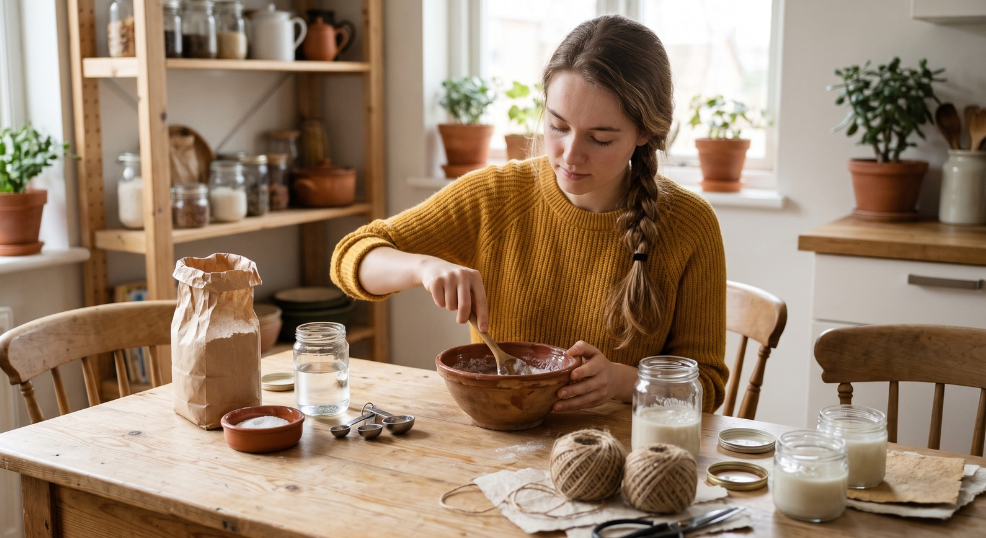
Non-toxic, biodegradable glue sticks are fantastic for everyday adhesive needs. You can also mix a simple flour-and-water paste for a fully compostable option that dries incredibly strong.
Immortal Craft Bases
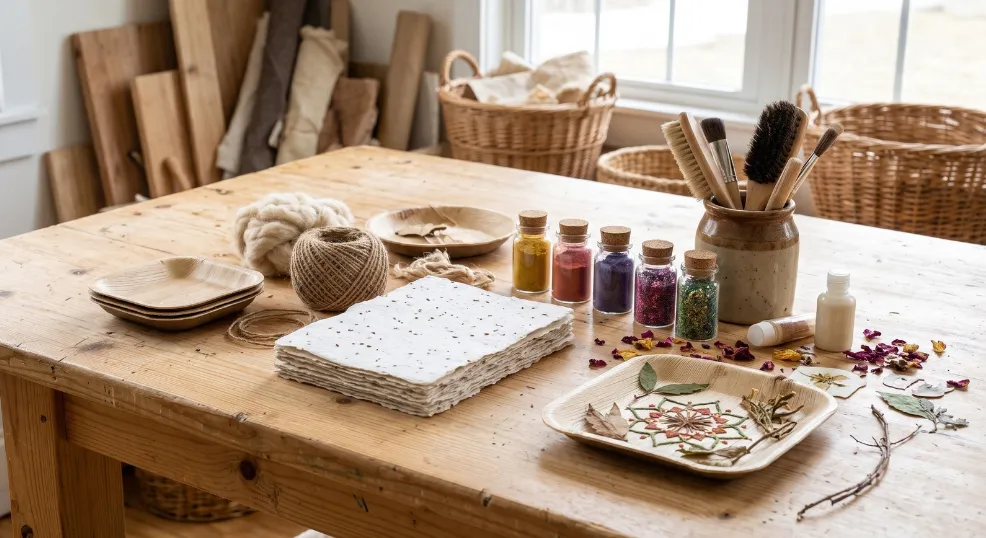
Crafters constantly use styrofoam balls or plastic plates as cheap, lightweight bases for wreaths and masks. These immortal plastics can easily be replaced with compostable natural craft materials. Sugarcane bagasse plates offer a sturdy, molded-fiber base that holds up to heavy paints and glues.
Palm leaf plates provide a stiff, rustic texture that looks amazing for centerpieces. Recycled cardstock remains the perfect go-to material whenever you need a flat, stiff backing.
Plastic Fabrics and Synthetic Fibers
Colorful polyester felt and shiny acrylic yarn are completely constructed from plastic fibers. Swapping these out for natural materials feels like an instant luxury upgrade for your handmade items. Organic cotton fabric offers an incredibly soft, pesticide-free material that biodegrades beautifully in a compost pile.
Real wool felt is completely natural, renewable, and compostable. Jute and hemp twine provide strong, rustic textures ideal for everything from gift wrapping to macramé wall hangings.
The Budget and Safety Test for Eco-Supplies
Crafters frequently wonder if eco-friendly supplies are practical for their wallets and busy schedules. Evaluating safety and cost is crucial when upgrading your material stash. Sustainable crafting should ultimately reduce your stress, not add to it.
Protecting Your Kids
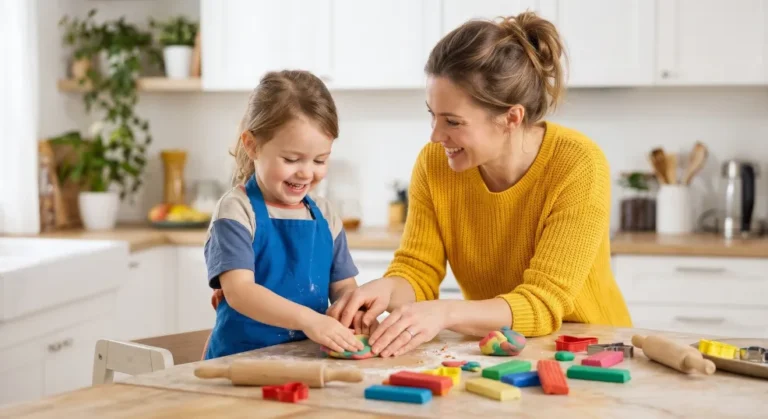
Biodegradable supplies are often much safer for children than conventional materials. Sustainable supplies rely on plants, minerals, and natural fibers instead of harsh chemicals and solvents.
This makes them an obvious choice for school projects and weekend crafting at the kitchen table. You will experience far less anxiety about accidental ingestion when working with natural paints and glues.
Managing Your Crafting Budget
Upgrading your supplies does not have to drain your wallet or compromise your household budget. High-quality, plant-based glitter might cost slightly more upfront than a cheap plastic tube. However, natural biodegradable materials like backyard twigs, pressed flowers, and pinecones cost exactly $0.00.
A DIY flour-and-water glue costs just pennies per batch to make. You can simply replace items one at a time as you run out of your old, synthetic supplies.
3 Hands-On Biodegradable Craft Projects
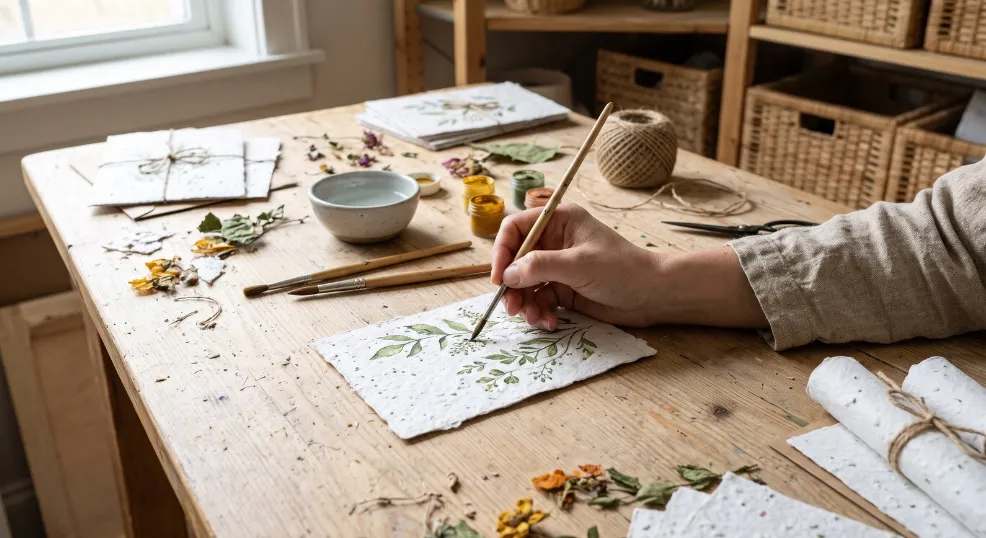
The best way to understand these materials is to get your hands dirty at your workbench. These simple, fun projects will help you test out your new sustainable supplies. They also make excellent weekend activities for eco-conscious families.
The Plant-a-Card Greeting
Start by cutting a piece of biodegradable seed paper into a standard 5 by 7 inch (12.7 by 17.7 cm) card shape. Decorate it with a heartfelt message using a light layer of eco-friendly paint to avoid saturating the embedded seeds.
Instead of an envelope, roll the paper like a scroll and tie it with natural jute twine. The entire gift serves as both a greeting card and a future patch of beautiful wildflowers.
Backyard Nature Mandalas
This project is perfect for kids and requires a simple palm leaf or bagasse plate as a base. Take a nature walk to collect fallen leaves, small twigs, pebbles, flower petals, and acorns.
Arrange your collected treasures in a circular mandala pattern on the plate. Secure everything with biodegradable glue for a gorgeous piece of art that can be fully composted later.
Safe and Sparkly Eco-Slime
Mix 0.5 cups (118 ml) of non-toxic white glue, half a teaspoon of baking soda, and 2 tablespoons of biodegradable glitter in a bowl. Add 1 tablespoon of saline contact lens solution and stir vigorously until it thickens.
The mixture will pull away from the bowl to form a slime that you can knead for a few minutes. You get all the sensory fun of glitter slime without spreading a single speck of microplastic into the environment.
Frequently Asked Questions About Eco-Crafting
Navigating the world of sustainable supplies comes with a bit of a learning curve. Understanding how materials break down helps you dispose of your scrap-busting leftovers properly. These common questions will help clarify the decomposition and sourcing processes.
Decomposition Timelines
Biodegradable art supplies break down on a timeline that nature can actually handle. A paper-based item might decompose in a few weeks or months inside a standard compost bin. A plant-based bioplastic glitter might take 6 to 12 months under the right temperature and moisture conditions.
This natural degradation process is infinitely faster than the hundreds of years required for plastic equivalents to break down.
Home vs. Industrial Composting
Home compostable items are designed to break down at lower temperatures alongside yard waste and kitchen scraps. This category includes seed paper, jute, wool, cotton, and un-laminated paper plates.
Industrially compostable materials require the high heat and specific conditions of a commercial composting facility. You should always check with your local waste management programs to see if they accept bioplastics before tossing them in your municipal bin.
DIY Biodegradable Supplies
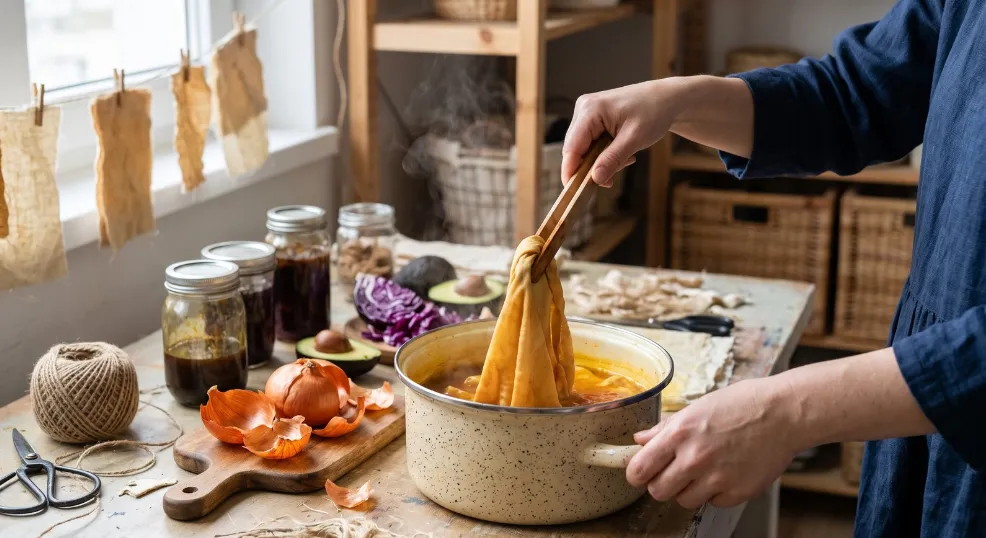
Making your own materials is a highly budget-friendly aspect of the eco-crafting lifestyle. You can boil kitchen scraps like onion skins for yellow dyes, avocado pits for pink dyes, or red cabbage for blue hues.
You can mix flour, salt, water, and natural food coloring to create a simple, non-toxic finger paint. Finely chopping dried, colorful leaves provides a beautiful, all-natural alternative to traditional party confetti.
Final Thoughts on Your Eco-Crafting Journey
Switching to biodegradable craft supplies is a thoughtful return to using natural, simple, and sustainable materials. It allows you to connect deeply with your creative instincts without treating the environment as an afterthought. You do not have to overhaul your entire workspace or throw away your current stash today.
Start by making just one mindful swap during your next weekend project. Every small change helps move the crafting community toward a future where we create beautiful things without leaving a harmful trace behind. Grab some natural twine, test out a homemade paste, and see how rewarding sustainable making can truly be.