Tired of watching your energy bills climb while feeling paralyzed by endless generic tip lists? You’re not alone. This isn’t another overwhelming dump of random advice—it’s a ranked 30-day system that transforms scattered habits into real savings of up to $200 per year. No expensive gadgets required, just everyday actions that finally stick because they’re built into routines you already have.
AT A GLANCE
Difficulty: Beginner-Friendly (Most habits take under 5 minutes)
Avg. Cost: $0 (Pure behavior changes with optional $10-20 upgrades)
Perfect For: Busy families, renters, remote workers, and anyone ready to turn small actions into big bill reductions without the guesswork
25 Energy-Smart Habits Ranked by Real Impact
1. Unplug Your Vampire Devices Every Night

Your phone charger, coffee maker, and entertainment center are silently draining $50 to $100 from your wallet every year even when switched off. These energy vampires feed on standby power around the clock. Stack this habit with your bedtime routine—when you brush your teeth, unplug the kitchen counter strip and bedroom chargers.
This single evening ritual beats leaving everything plugged in because you’re catching the biggest culprits during peak drain hours. Morning devices like the coffee maker only need power when you’re actually using them, not all night long.
Start tonight with just three devices and watch how naturally this becomes your new power-down sequence.
2. Switch to Cold Water Laundry and Air Dry
Heating water accounts for roughly 90% of your washing machine’s energy use, which means cold wash cycles slash that immediately. Pair this with air drying and you’re saving $30 to $60 annually while your clothes last longer from reduced heat damage. Modern detergents are specifically engineered to work brilliantly in cold water.
This habit fits seamlessly into weekend routines when you have time to hang items on a drying rack or outdoor line. Delicate fabrics thank you, colors stay vibrant, and your dryer gets a well-deserved break from constant use.
Create a Sunday laundry ritual where cold wash and air dry become your default, not your exception.
3. Adjust Your Thermostat by Just 1-2 Degrees
A tiny shift of 1 to 2 degrees Celsius (about 2-4°F) saves you $40 to $80 per year without sacrificing comfort. Your body adapts within days, especially when you layer strategically with cozy throws and comfortable clothing. This works whether you’re cooling in summer or heating in winter.
Morning routines become your trigger—adjust down when you wake up and move around naturally generating body heat. Evening adjustments mean setting it back up slightly only when you’re truly settling in for relaxation.
Make this a seasonal reset habit where you review settings at the start of each new season.
4. Cook with Lids On Your Pots and Pans
Trapping heat with a simple lid reduces cooking time by 25% or more, which directly cuts your stove’s energy consumption. Water boils faster, sauces simmer more efficiently, and your kitchen stays cooler because less heat escapes into the air. This micro-habit costs nothing but compounds across every meal you prepare.
Your stovetop becomes a precision tool rather than an energy waste fountain when lids are your default. Batch cooking on weekends amplifies these savings—make large portions of soups or grains with lids on throughout.
Tonight’s dinner is the perfect moment to start this lid-first approach.
5. Open Blinds During Day, Close at Dusk
Natural light is free heating in winter and closing blinds at dusk creates an insulation barrier that traps warmth inside. In summer, the strategy flips—close blinds during peak heat hours to block solar gain. This passive temperature control saves $20 to $40 yearly while improving your home’s ambiance with natural rhythms.
Your morning coffee ritual becomes the trigger to open all south-facing blinds and welcome the sun. Evening wind-down means closing them as natural light fades, signaling your home to hold its comfortable temperature.
Notice how rooms feel naturally warmer or cooler without touching the thermostat.
6. Run Dishwashers and Washing Machines Only When Full
Half-loads waste 50% of the water and energy per item cleaned, which means waiting until machines are genuinely full multiplies your efficiency. Modern machines use similar energy whether half or fully loaded, so maximizing capacity is pure savings. This habit saves $25 to $45 annually while reducing water consumption dramatically.
Create a family rhythm where dishes accumulate to full loads naturally rather than running cycles prematurely. Laundry batching on designated days prevents the temptation of wasteful partial loads throughout the week.
Set a mental rule that only truly full drums get started.
7. Switch Off Lights When Leaving Rooms
This classic habit saves $15 to $30 yearly despite seeming small because it addresses constant background waste. The effort takes literally two seconds per room, yet most households leave lights burning in empty spaces for hours daily. Your cumulative savings multiply across every room and every day.
Build automatic triggers by placing reminder stickers near doors or making the last person leaving responsible. Motion sensor switches in hallways and bathrooms take this habit to autopilot for under $15 per switch.
Tonight, do a walk-through and notice how many lights illuminate empty rooms.
8. Use Microwaves for Small Portions Instead of Ovens
Microwaves use 70% less energy than ovens for reheating and cooking small portions because they directly heat food rather than an entire oven cavity. Your weeknight dinners and lunch reheat sessions become significantly more efficient with this strategic swap. This saves $20 to $35 annually for typical households.
Reserve your oven for actual baking and roasting where it shines, not for heating up single servings. Meal prep containers designed for microwaves make this transition seamless and practical.
Choose the microwave first and save your oven for when it truly matters.
9. Take Shorter Showers with a Timer
Every minute shaved off your shower saves roughly 2.5 gallons of hot water, and heating that water is where the energy cost hides. Setting a 5 to 7-minute timer helps you stay efficient without feeling rushed, saving $30 to $50 yearly for households with daily hot showers. Your water heater works significantly less throughout the year.
Morning routines become tighter and more energizing when you have a friendly timer creating structure. Shower speakers with timers make this fun rather than restrictive for just $12-15.
Challenge yourself tomorrow to beat your current average by just two minutes.
10. Batch Your Oven Cooking Sessions
Preheating your oven uses substantial energy, so cooking multiple dishes in one session maximizes that investment. Sunday meal prep becomes incredibly efficient when you roast vegetables, bake proteins, and prepare grains simultaneously. This saves $20 to $40 annually while giving you ready-made meals throughout the week.
Your oven becomes a weekly powerhouse rather than a daily energy drain with this batching strategy. Glass containers let you transition seamlessly from oven to fridge storage.
Plan next Sunday’s batch session with three complementary recipes that share similar temperatures.
11. Set Your Water Heater to 120°F (49°C)
Most water heaters are factory-set at 140°F or higher, but 120°F provides perfectly comfortable hot water while preventing scalding risks. This simple one-time adjustment saves $36 to $61 annually by reducing standby heat loss and the energy needed to maintain unnecessarily high temperatures.
Your morning showers feel identical while your water heater works far less aggressively around the clock. Vacation mode on newer heaters lets you drop temperatures even further when away.
Spend five minutes locating your water heater and making this permanent adjustment today.
12. Air Seal Drafty Windows with Weatherstripping
Drafty windows leak your heated or cooled air constantly, forcing your HVAC system to work overtime. Self-adhesive weatherstripping costs under $10 per window and installs in minutes, saving $25 to $50 yearly by stopping these invisible leaks. Your rooms maintain temperature more consistently without constant thermostat adjustments.
Fall or spring becomes the perfect time for this quick upgrade before extreme weather arrives. Renters love this because weatherstripping removes cleanly without damage when you move out.
Check your windows this weekend by holding your hand near edges to feel air movement.
13. Clean Your Refrigerator Coils Twice Yearly
Dusty coils force your refrigerator to work 15-25% harder to maintain cool temperatures because heat can’t dissipate properly. This simple twice-yearly cleaning takes 10 minutes and saves $15 to $30 annually while extending your appliance’s lifespan significantly.
Spring and fall cleaning schedules naturally accommodate this maintenance habit alongside other seasonal tasks. Coil brushes cost about $8 and last for years of cleanings.
Set calendar reminders for April and October to make this habit automatic.
14. Use Power Strips for Easy Group Shutoffs
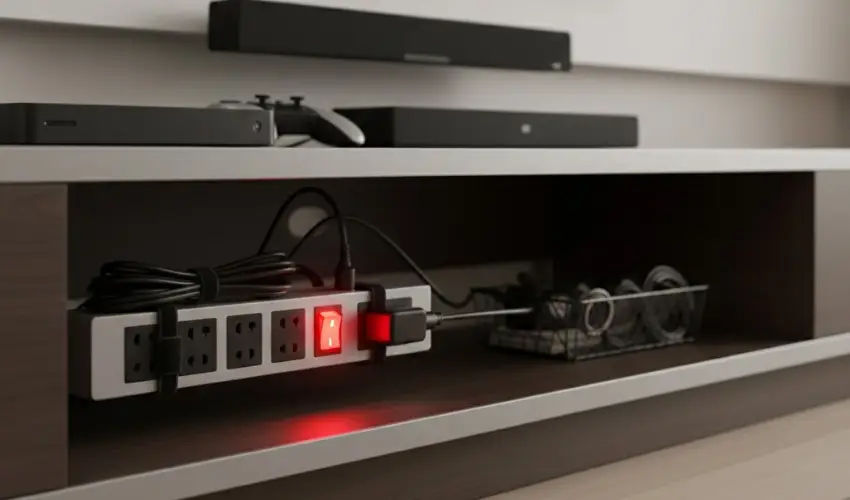
Entertainment centers, home offices, and kitchen counters often host 5-10 devices that all drain standby power together. A single power strip with an on-off switch lets you kill them all in one motion, saving $20 to $40 yearly with virtually zero ongoing effort required.
Your evening wind-down becomes simpler when one switch controls the entire entertainment zone. Labeled switches help family members know exactly which strip powers what areas.
Install power strips this week in your three highest-device areas.
15. Defrost Your Freezer Before Ice Buildup Exceeds 1/4 Inch
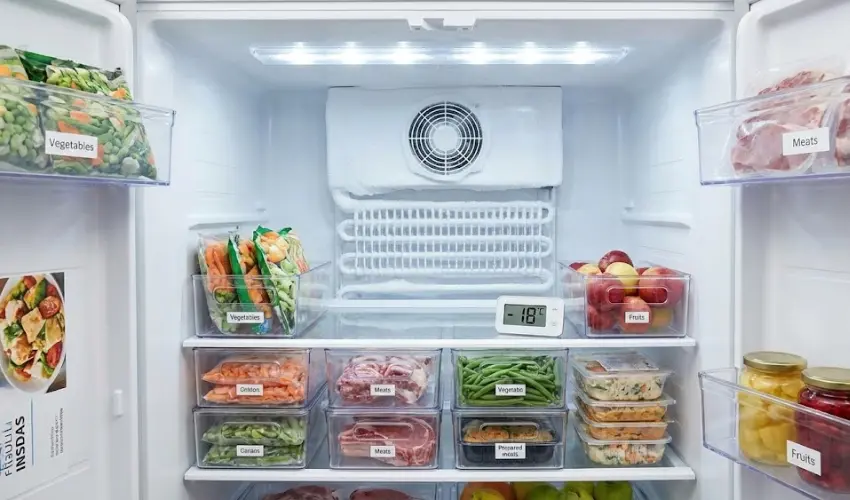
Ice acts as an insulator that forces your freezer to consume up to 40% more energy maintaining proper temperatures. Manual-defrost freezers need attention every few months, while frost-free models still benefit from occasional deep cleans. This maintenance saves $15 to $25 annually and keeps food at optimal temperatures.
Quarterly defrost sessions align with seasonal pantry reorganizations and expired food purges. Coolers make transitioning frozen items during defrosting stress-free.
Check your freezer walls today and schedule a defrost if ice exceeds a quarter inch.
16. Position Furniture Away from Vents and Radiators
Blocking vents or radiators with furniture creates dead zones where heated or cooled air can’t circulate properly, forcing longer system run times. This zero-cost rearrangement saves $15 to $30 yearly while improving comfort distribution throughout rooms naturally.
Your next furniture rearrangement or deep cleaning becomes an opportunity to optimize airflow paths. Area rugs over vents also block flow and should be repositioned immediately.
Walk through your home today identifying any blocked vents or radiators.
17. Install LED Bulbs in Your Five Most-Used Fixtures
LEDs use 75% less energy than incandescent bulbs and last 25 times longer, making them the fastest payback upgrade. Starting with your five most-used fixtures—likely kitchen, living room, bedroom, and bathrooms—saves $50 to $75 annually while requiring zero behavior change after installation.
Your initial investment of about $15-20 pays for itself within months through electric bill reductions. Dimmable LEDs add ambiance control that incandescents can’t match efficiently.
Replace bulbs as your current ones burn out to spread the cost naturally.
18. Keep Your Freezer Three-Quarters Full
Frozen items act as thermal mass that helps maintain temperature, reducing how often the compressor cycles on. A three-quarters-full freezer runs more efficiently than nearly empty or completely packed ones. This costs nothing and saves $10 to $20 yearly just through smart organization.
Fill empty spaces with water-filled containers or ice packs if you’re between grocery runs. Chest freezers especially benefit from this principle since cold air naturally settles downward.
Assess your freezer capacity tonight and adjust accordingly.
19. Run Ceiling Fans Counter-Clockwise in Summer
Counter-clockwise rotation pushes air downward creating a wind-chill effect that makes rooms feel 4°F cooler, letting you raise thermostat settings without sacrificing comfort. This strategy saves $15 to $25 monthly during cooling season through reduced AC runtime.
Seasonal transitions become your reminder to check fan direction using the small switch on the motor housing. Winter mode (clockwise) gently pulls cool air up and pushes warm air down from ceilings.
Flip your fan switches this weekend as temperatures rise.
20. Use Lids on Bathroom Exhaust Fans
Running exhaust fans only 5-10 minutes after showering removes moisture without pulling out all your heated or cooled air. Many people leave fans running for hours unnecessarily, wasting $10 to $20 yearly on both fan electricity and climate control replacement air.
Post-shower routines become more intentional when you set a timer rather than forgetting fans entirely. Humidity-sensing fans automate this for about $40 but manual awareness costs nothing.
Install a small bathroom timer tomorrow to build this habit.
21. Wash Dishes by Hand Only for Small Loads
Modern dishwashers actually use less water than hand-washing for full loads, but hand-washing a few items between dishwasher runs prevents wasteful half-load cycles. This balanced approach saves $10 to $15 yearly by optimizing both methods strategically.
Your after-breakfast cleanup becomes a quick hand-wash session while dinner dishes accumulate for the dishwasher. Basin washing rather than running water cuts hand-washing water use by 50%.
Establish clear family rules about when items go in the dishwasher versus sink.
22. Close Doors to Unused Rooms
Heating or cooling unused guest rooms, storage spaces, or offices wastes energy on empty square footage. Closing doors creates natural zones that concentrate climate control where you actually live, saving $15 to $25 yearly through reduced HVAC demands.
Your daily routines naturally keep bedroom doors closed during daytime hours when you’re in common areas. Door sweeps enhance this zoning by preventing air transfer under doors.
Tonight, identify three rooms you rarely use and keep their doors closed consistently.
23. Hang Heavy Curtains in Winter
Thermal or heavy curtains add an insulation layer that reduces heat loss through windows by up to 25%, especially during long winter nights. This seasonal addition saves $20 to $35 yearly while creating cozy ambiance without permanent modifications.
Fall decorating naturally incorporates this transition from light summer curtains to winter thermal versions. Renters benefit immensely since curtains install and remove without any wall damage.
Plan to swap curtains next seasonal transition for immediate winter savings.
24. Pre-Rinse Dishes with Cold Water Only
Hot water for pre-rinsing wastes energy since dishwashers heat their own water to sanitizing temperatures anyway. Cold water removes food debris perfectly adequately while saving $10 to $18 yearly by eliminating unnecessary water heating cycles.
Your post-meal cleanup becomes faster when you stop waiting for water to heat up. Scraper tools remove stuck food more effectively than any water temperature alone.
Start using cold water exclusively for pre-rinsing tonight.
25. Match Pot Sizes to Burner Sizes
Small pots on large burners waste 40% of the heat into surrounding air rather than into your food. Proper matching ensures maximum heat transfer efficiency, saving $8 to $15 yearly through reduced cooking times and lower energy waste.
Your cooking preparation becomes more thoughtful when you automatically grab appropriately sized pots. Visual burner size matching takes just seconds but compounds across every meal you prepare.
Tonight’s dinner is perfect practice for this instant efficiency habit.
Final Thoughts
These 25 habits transform energy savings from overwhelming theory into daily action because they stack naturally into routines you already follow. Your 30-day journey starts with just three high-impact habits this week, building momentum toward comprehensive savings that compound month after month.
Check out our Eco-Friendly Crafts section for more sustainable living inspiration, or search ‘budget home efficiency’ above for additional money-saving strategies that honor both your wallet and the planet.