Why Your “Quick Fix” Might Be a Health Hazard
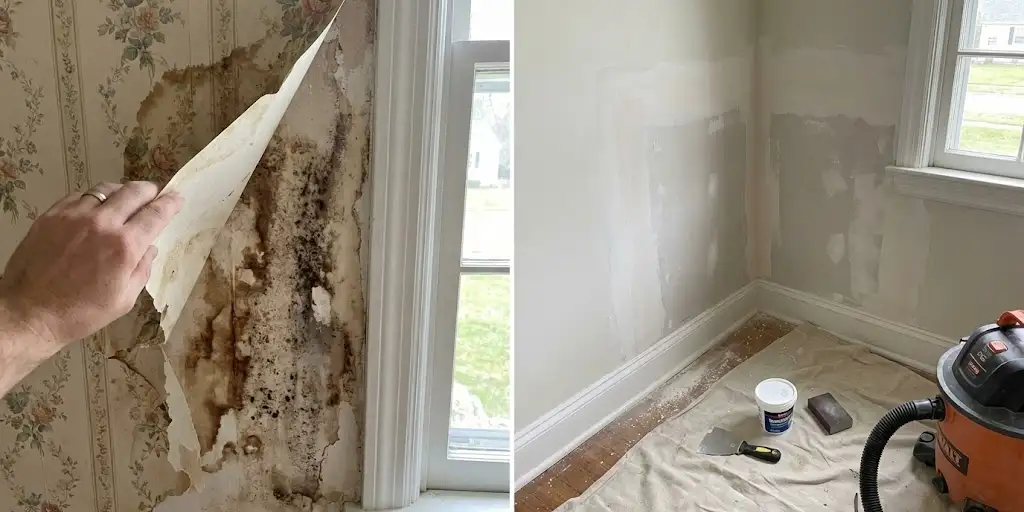
You’ve Seen the Peeling. That corner of wallpaper curling away from the wall, or paint chips falling onto your baseboards—it’s tempting to grab some adhesive or a paintbrush and call it done. But here’s what most DIYers don’t realize: peeling isn’t just cosmetic. It’s often your wall’s way of screaming that something deeper is wrong—moisture, mold, or even lead paint hiding underneath.
This guide will show you exactly when a simple patch is safe, when it’s dangerous, and how to choose materials that won’t turn your bedroom into a VOC chamber or hide a growing mold problem. You’ll learn the diagnostic tricks professionals use, the real risks behind common “quick fixes,” and which eco-safer alternatives actually work.
What’s Actually Peeling? (And Why It Matters More Than You Think)
Wallpaper vs. Paint Requires Different Approaches. Small, dry sections of wallpaper can often be spot-repaired with low-VOC adhesive—but only if there’s no musty smell or bubbling. Those symptoms signal trapped moisture and potential mold colonies growing behind the pretty pattern.
Pre-1978 Homes Raise the Lead Flag. If your house predates 1978 (or 1980 in some regions), any peeling, chipping, or chalking paint should be treated as a potential lead hazard. Painting over deteriorating lead paint doesn’t neutralize the toxin—it just hides it temporarily while exposing your family to lead dust during application.
Location Tells the Story. Peeling in bathrooms, basements, or poorly vented kitchens almost always points to chronic moisture issues. Covering these areas with non-breathable vinyl wallpaper or conventional paint without fixing the humidity source guarantees the problem will resurface—usually within months.
The Hidden Hazards: Materials, VOCs, and What’s Growing Behind Your Walls
Wallpaper Composition and Health Risks
PVC Vinyl Traps Moisture Like a Vapor Barrier. Common vinyl wallpapers contain plasticizers that off-gas VOCs over time, and their low breathability creates a perfect breeding ground for mold when walls get damp. Studies show water-damaged vinyl wallpaper can emit phthalates while simultaneously hosting mold spores—a double indoor air quality threat.
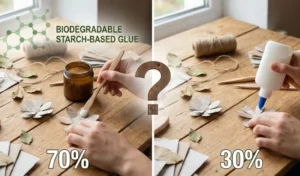
Traditional Adhesives Aren’t Innocent Either. Many wallpaper pastes contain volatile organic compounds that off-gas during and after installation. Low-VOC or non-VOC labeled adhesives significantly reduce this chemical exposure, especially critical in bedrooms and nurseries.
Paint Types and Off-Gassing Timelines
Conventional Paints Keep Emitting for Days. High-VOC acrylic or alkyd paints can off-gas solvents for 3–7 days or longer in unventilated rooms, creating headaches, respiratory irritation, and long-term indoor air pollution.
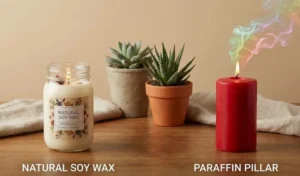
Low-VOC Reduces the Window to 24–48 Hours. These formulations cut solvent content dramatically, though pigments themselves may still contribute minor VOCs. Zero-VOC paints off-gas for only a few hours with proper ventilation, making them the safest choice for occupied spaces.
Primers Are Often the Hidden Culprit. Even when you choose zero-VOC topcoat, some specialty primers contain higher VOC levels. Always check the entire coating system—primer plus paint—for comprehensive safety.
The Lead Paint Reality Check
Intact Lead Paint Can Be Encapsulated. Safety authorities confirm that sound, non-peeling lead paint can be overcoated with modern, non-hazardous coatings as a stabilization method.
Deteriorating Lead Paint Demands Professional Methods. Peeling, chipping, or chalking lead coatings must never be dry-sanded, heat-gunned, or aggressively power-washed—these methods create airborne lead dust that settles throughout your home. Wet methods, containment barriers, and certified contractors are required for significant remediation work.
Key Takeaways: Comparison Table of Patch Safety Scenarios
| Scenario | Safe to Patch? | Action Required | Material Choice |
|---|---|---|---|
| Small, dry wallpaper peel in bedroom (post-1980 home) | Yes | Reglue with low-VOC adhesive; monitor for recurrence | PVC-free, breathable wallpaper |
| Widespread wallpaper bubbling with musty odor | No | Inspect behind paper; remediate mold; fix moisture source first | Mold-resistant primer + low-VOC paint after remediation |
| Peeling paint in pre-1978 home | No (assume lead) | Test for lead; use certified encapsulant or professional removal | Lead-safe encapsulating coating |
| Paint blistering near bathroom/kitchen | No | Identify leak/condensation; improve ventilation; dry wall completely | Mold-resistant primer + zero-VOC paint + ventilation upgrade |
| Minor paint chips on sound, dry drywall (new home) | Yes | Light sanding; low-VOC primer + paint | Zero-VOC paint system |
Common Myths That Lead to Expensive (and Unsafe) Failures
Myth 1: “If I Can’t See Mold, It Isn’t There”
Mold Hides Where It’s Dark and Damp. Behind wallpaper is a classic hideout—moisture gets trapped against the wall, creating perfect fungal conditions even when the surface looks pristine. Tell-tale signs include musty odor, soft or spongy drywall to the touch, and localized staining around peeling edges.
Water Damage Triggers Chemical Releases Too. Research shows that moisture-damaged wallpaper doesn’t just host mold—it can also increase emissions of plasticizers like phthalates from vinyl coverings, degrading indoor air quality even without visible black spots.
Myth 2: “Painting Over Peeling Paint Solves the Problem”
Loose Layers Won’t Hold New Coats. Paint manufacturers explicitly warn that unstable, peeling substrates must be scraped and stabilized first. New paint applied over flaking layers fails quickly—often peeling again within weeks.
Moisture Keeps Destroying From Behind. Old, blistered paint often signals active leaks or condensation. Without addressing the moisture source, your fresh coat simply bubbles and peels again, sometimes within months, while potentially trapping ongoing water damage that degrades the wall structure.
Myth 3: “Low-VOC Paint Makes Any Job Automatically Safe”
VOC Reduction ≠ Hazard Elimination. Low- or zero-VOC products only reduce solvent emissions from the new coating. They do nothing to neutralize existing mold, structural water damage, or lead paint underneath.
The Full System Matters. Some primers and specialty coatings contain significantly higher VOCs than advertised “low-VOC” topcoats. Always evaluate the complete application system—primer, sealer, and finish coat—for comprehensive safety.
Eco-Impact and Budget Reality: Safer Alternatives That Actually Last
Health-Safer Coating Choices for Sound Surfaces
Zero-VOC Paints Are Now Mainstream. Major brands offer low- and zero-VOC interior paints widely available at standard price points. These formulations drastically cut indoor solvent exposure during and after application—especially critical for bedrooms, nurseries, and homes with respiratory sensitivities.
PVC-Free Wallpapers Improve Air Quality and Durability. Paper or non-woven (cellulose/polyester blend) wallpapers labeled “low-VOC,” “formaldehyde-free,” and “emissions-tested” reduce plasticizer off-gassing significantly. Their breathable backings also lower mold risk compared to traditional vinyl, which acts like plastic wrap on your walls.
When Old Materials Are Risky: Professional vs. DIY
Lead Paint Encapsulation Costs Less Than Removal. If testing confirms lead, certified lead-safe encapsulating coatings applied by trained contractors stabilize the hazard without full abatement—typically 40–60% cheaper than complete removal, with comparable safety when properly maintained.
Mold Remediation Beats Repeat Patching. In chronically damp areas (basements, bathrooms with poor exhaust fans), investing in ventilation improvements plus mold-resistant primers and breathable finishes costs more upfront but prevents the cycle of re-peeling and re-patching every year. Budget $200–$500 for a quality exhaust fan and proper coatings vs. $50–$100 annually on failed quick fixes.
The Budget-Conscious Truth
Cheap Fixes Compound Costs. Re-adhering wallpaper edges with standard paste over hidden moisture might save $20 today, but when mold spreads and requires professional remediation ($500–$3,000), the “savings” evaporate fast.
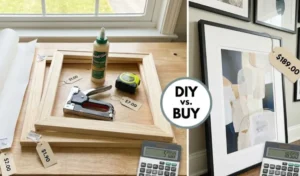
DIY Is Safe Only When Substrates Are Safe. If you’ve confirmed no lead, no mold, and no active moisture, DIY patching with quality low-VOC materials is both budget-friendly and health-conscious. When red flags appear—musty smell, spongy walls, pre-1978 construction—professional assessment ($100–$300) is the only budget-smart choice that protects your family and home value.
Expert-Level Pro Tip: Use Your Senses as Diagnostic Tools
Smell and Texture Trump Visual Inspection. When deciding whether you can “just patch” peeling wallpaper or paint, treat these clues as diagnostic gold: a musty odor signals active or recent mold growth; spongy, soft drywall indicates water saturation; localized bubbling around exterior walls or wet rooms almost always points to hidden moisture penetration.
The Safe, Long-Lasting Approach. In these zones, open up at least a small inspection area (6–12 inches square), assess the damage, dry and remediate properly, then recoat with breathable, low-VOC systems. This approach costs 2–3x more than gluing edges back down, but it’s the only method that prevents recurring failure and protects indoor air quality.
Encapsulation Works Only on Stable Substrates. Overpainting is acceptable lead-safe “encapsulation” only when the underlying surface is sound, dry, and not actively deteriorating. Painting straight over active moisture damage or unstable layers fails early—usually within 6–12 months—and can hide advancing mold or structural rot.
Conclusion: Patch Smart, Not Fast
The Verdict Depends on What’s Behind the Peel. Small, dry cosmetic peeling in newer homes with no odor or dampness? A simple patch with low-VOC materials is perfectly safe. Widespread bubbling, musty smells, pre-1978 construction, or moisture-prone locations? Any “quick fix” is a gamble that risks your health and wastes money on repeated failures.
Invest in Diagnosis Before Application. The $50–$100 you save by skipping inspection or using cheap vinyl wallpaper over damp walls will cost you hundreds—or thousands—when mold remediation or lead abatement becomes unavoidable.
Choose Materials That Work With Your Walls, Not Against Them. Breathable, low-VOC coatings and PVC-free wallpapers let moisture escape naturally, prevent chemical off-gassing, and create durable, healthy finishes that actually last.
Ready to tackle your walls the right way? Check out our Budget DIY Hacks category for step-by-step guides on moisture testing, lead-safe prep work, and choosing the best low-VOC coatings for your specific room conditions.