You are right in the middle of an exciting upcycling project when reality hits. Will this beautiful homemade tote bag actually survive a sudden rain shower at the farmer’s market? Is that heavy-duty waterproof sealer truly safe for your kids’ new indoor art table?
Choosing moisture-resistant materials often feels like navigating a minefield of misleading labels and hidden chemical dangers. You are constantly bouncing between marketing buzzwords like eco-friendly PUL and construction-grade sealants that seem to require a hazmat suit.
This guide cuts straight through the confusion with real, hands-on clarity. You will learn exactly which materials deliver on moisture resistance and which greenwashing claims to ignore. Most importantly, you will discover how to match the right solution to your specific project without compromising safety or your crafting budget.
Understanding the Moisture-Resistance Spectrum
The biggest mistake you can make as a crafter is treating all water exposure identically. A decorative bathroom wall hanging needs simple humidity tolerance, not the extreme waterproofing required for an outdoor patio cushion. Matching your protection level to your project’s reality saves you money and prevents material waste.
Indoor Splash Zones vs. Full Weather Exposure
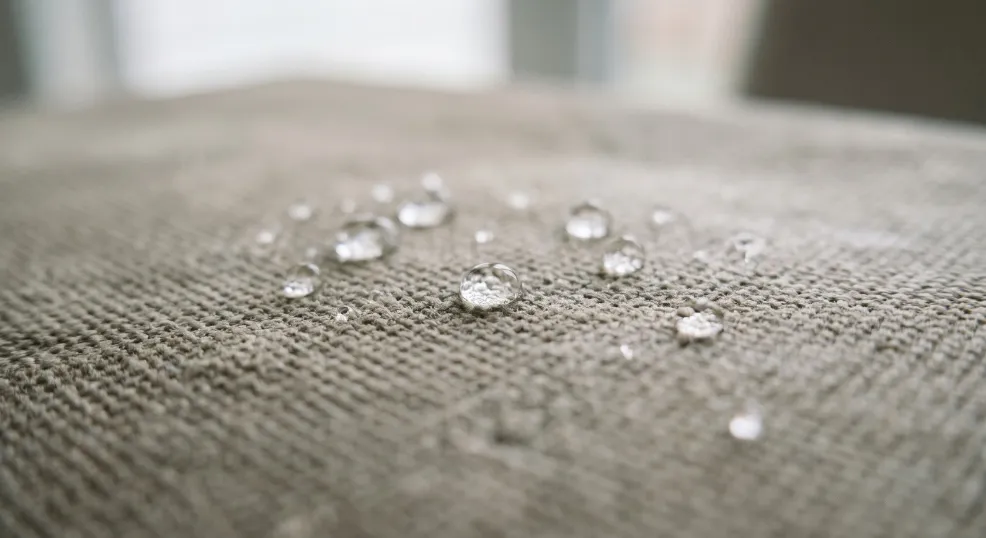
Kitchen trivets, bathroom decor, and kids’ art stations face occasional splashes and high indoor humidity. These projects simply need water resistance, which means materials that bead off droplets and dry quickly.
Outdoor banners, gardening tool bags, and patio furniture require true waterproofing. These items need absolute barriers that prevent water penetration under prolonged exposure and heavy rain. Treating a kitchen coaster like an outdoor awning will only leave you with a stiff, over-engineered mess.
The UV Degradation Factor
Even legitimately waterproof materials have limited lifespans when exposed to the elements. Polyurethane laminate fabrics explicitly warn against prolonged sunlight exposure because UV rays rapidly degrade the protective barrier.
Waxed cotton also loses its effectiveness with heavy abrasion and constant flexing. Understanding these limitations prevents premature project failure. You can plan for routine maintenance, like re-waxing, instead of tossing a ruined project in the trash.
Fabric Options for Water Resistance
Choosing the right fabric comes down to balancing your eco-conscious values with the actual functional needs of your craft. Natural fibers offer breathability and sustainability, while synthetic options provide unbeatable barriers against heavy moisture.
The Natural Contenders
Wool is a fantastic option for damp environments because it is naturally water-repellent to light rain thanks to its lanolin content. It breathes while staying dry, making it perfect for coasters, wall hangings in humid bathrooms, or blankets in damp climates. Plus, it is completely biodegradable and requires zero chemical treatments.
Waxed cotton and oilcloth are natural cottons impregnated with beeswax or plant oils. They create an excellent bead-off surface perfect for market tote bags, gardening aprons, and tool roll-ups. The trade-off is that the texture stiffens noticeably, and heavy outdoor exposure will eventually wear through the wax coating.
Hemp and organic cotton are not waterproof on their own, but tightly woven and lightly waxed versions handle brief splashes beautifully. These remain fully biodegradable and chemical-minimal. They are ideal for eco-conscious makers who prioritize compostability over extreme water protection.
The Synthetic Solutions
Polyurethane laminate and thermoplastic polyurethane fabrics are the gold standard for true waterproofing. These consist of polyester or cotton bonded to a very thin polyurethane film. You will want these for cloth diapers, wet bags, shower curtain liners, and outdoor gear pouches where leaks are unacceptable.
Products marketed as eco-PUL emphasize reusability over disposables and are tested for lead and phthalates. However, they are still plastic-based polyurethane laminates. Choose these synthetic options only when genuine waterproofing is absolutely non-negotiable for your project.
Coated nylon and polyester are incredibly strong and reliably waterproof for umbrellas and outdoor blankets. Just keep in mind that they shed microplastics during washing and are not biodegradable. Use them sparingly if reducing your environmental impact is a top priority for your craft room.
Sealers and Coatings Without the Chemical Hazards
Finding a reliable sealer that will not fill your home with toxic fumes is a common struggle for DIYers. Many products boast low-VOC labels but still carry severe warnings that make them entirely unsuitable for family crafts.
The Safety Disasters to Avoid
Construction-grade sealants and automotive seam sealers are engineered for building substrates, not your indoor craft table. Products like silane-based concrete sealers may claim to be low-VOC but often carry severe hazard codes for skin burns and aquatic toxicity.
These industrial products require heavy-duty gloves, eye protection, and intense ventilation. They should never be used on indoor projects where kids or pets will frequently touch the finished surfaces. Frugality is great, but saving a few dollars is never worth risking your family’s safety.
Craft-Safe and Eco-Friendly Alternatives
Water-based acrylic sealers explicitly marketed as non-toxic are your best bet for unfinished wood decor and paper crafts. Always check the product documentation to ensure it lists ultra-low VOC and shows no severe hazard statements. These provide plenty of moisture resistance for indoor humidity without the safety red flags.
For water-resistant paper projects, traditional beeswax or plant-based wax is sustainable and compostable. This method works wonderfully for banners, envelopes, and decorative paper goods, though it can crack with heavy flexing. Soy wax and corn-starch coatings are also great for making paper splash-resistant while keeping it eco-friendly.
Be extremely cautious with viral DIY waterproof recipes you find online, like mixing food-safe glue with random varnishes. Without proper ingredient disclosure and VOC testing, you cannot judge their actual safety. Stick to verified, craft-safe acrylics or pure natural waxes for your peace of mind.
Myth-Busting Eco-Friendly and Waterproof Claims
Marketing labels are designed to sell products, not to give you accurate scientific breakdowns of their chemical components. As a resourceful maker, learning to read past the packaging will save your projects and your health.
Water-Based Does Not Mean Non-Toxic
A product can be water-based and still carry hazard statements for skin corrosion and eye damage. Always look up the safety data sheet online rather than trusting a friendly green leaf graphic on the bottle. Even some water-based art sealers require strict ventilation and protective gloves during application.
Eco-PUL is Still Plastic
Many fabrics marketed as eco-friendly are still just polyurethane film laminated to a fabric base. The eco claim usually just refers to reduced harmful additives and the fact that the item is reusable. Be transparent about this if you are selling your crafts or gifting them to eco-conscious friends.
Waxed Fabric is Not Weatherproof
Waxed cotton and lightly laminated fabrics will absolutely lose their performance with constant UV exposure and weathering. Setting a waxed canvas cushion outside for an entire summer will result in a faded, water-logged mess. Set realistic expectations for your materials and plan to retreat them with wax every 12 to 18 months.
The Budget and Eco-Impact Reality Check
Crafting on a budget does not mean you have to settle for toxic materials or cheap plastics. You just need to calculate the true cost of a material over its entire lifespan.
Upfront Costs vs. Long-Term Value
Organic waxed cotton might cost you 2 to 3 times the price of standard polyester per yard. However, it is fully repairable, can be re-waxed periodically, and aligns perfectly with zero-waste values. For a reusable market bag that you will carry hundreds of times, the per-use cost heavily favors investing in the natural material.
Synthetic waterproofing like coated nylon is incredibly cheap, often costing just a few dollars for a large cut. While budget-friendly, it creates microplastic waste every time you toss it in the washing machine. Reserve these cheap synthetics only for applications like medical-grade waterproofing where no natural alternative exists.
The Hidden Costs of Mismatched Materials
Using a heavy-duty $15 construction sealer on a child’s birdhouse might seem like a clever scrap-busting hack. However, the safety risks and potential chemical off-gassing make it a terrible choice for your home environment.
Similarly, applying a cheap, indoor-only soy wax to an outdoor patio sign will lead to peeling, rotting wood within weeks. You will end up spending more money replacing the ruined wood and buying the correct outdoor sealer anyway. Matching the correct material grade to your exact exposure class is the ultimate budget-saving strategy.
Your Material Decision Tree
Before you buy supplies for your next weekend project, take a moment to define exactly what the finished item will endure. Using this simple framework will help you narrow down your choices in the craft aisle.
Kid-Safe Indoor Projects
If you are making something for a nursery or a playroom, prioritize materials you can confidently touch and smell without gloves. Choose natural wool, organic cotton treated with plant-based wax, or wood sealed with ultra-low VOC acrylics. If it feels toxic coming out of the bottle, it does not belong in a kid’s room.
Outdoor Durability and Eco-Priority
For projects that require absolute, true waterproofing like reusable wet bags, accept that you need polyurethane laminates. Just be honest that they are reusable plastics and wash them carefully to minimize microplastic shedding.
If full compostability is your ultimate goal, stick exclusively to beeswax or plant-waxed natural fibers. You will have to accept the trade-off of reduced extreme-weather durability, but you will end up with a fully biodegradable project. For seasonal outdoor decor, organic waxed canvas works beautifully as long as you expect to do a little maintenance next spring.
Making the Right Choice for Your Craft
The perfect moisture-resistant material is never about finding a single, magical solution for every single craft. It is about making an honest match between the protection you need, your safety requirements, and your environmental values. You have to consider the realistic conditions your hard work will actually face in the real world.
When you are standing in the craft store feeling doubtful, always under-promise and over-deliver on safety. It is always better to recommend a natural, safer option with clear limitations than to use industrial-grade chemicals in your home.
Now that you know how to decode these tricky labels, you can confidently tackle that upcycled patio project or zero-waste kitchen set. Grab your materials, check those safety sheets, and get ready to create something beautiful that will actually survive the elements.