

You can build sturdy recycled wood shelves and beautiful home decor while keeping functional lumber out of landfills. US landfills divert roughly 30 million tons of wood waste yearly. Using reclaimed materials saves you money, reduces this waste burden, and helps preserve our natural forests.
Sourcing the Best Recycled Wood for Your Shelves
Understanding your materials transforms a standard thrift store run into a goldmine for budget-conscious projects. Knowing the quirks of each type ensures your custom shelving project stands the test of time. You have three main categories to choose from when planning your next upcycling build.
Reclaimed Barn and Industrial Salvage
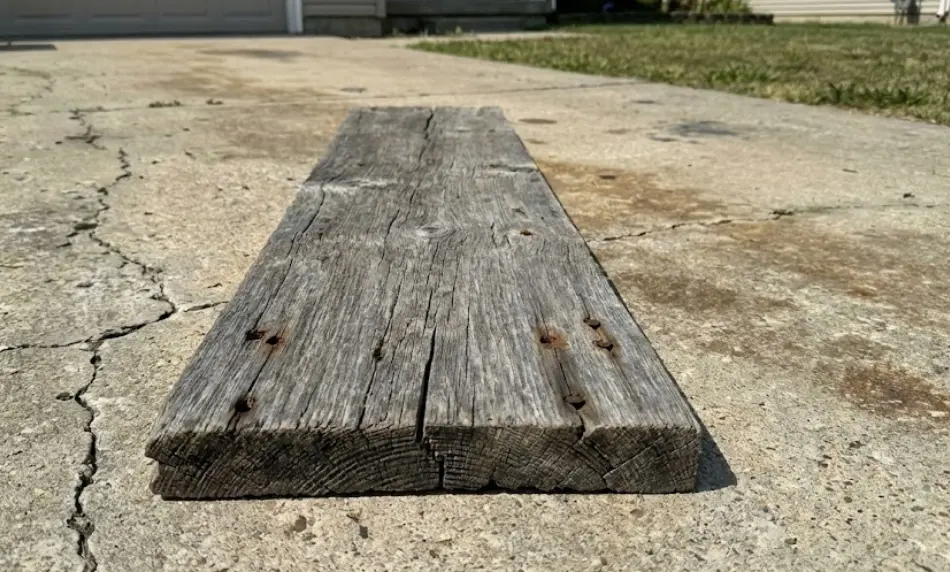
Reclaimed wood comes from structures built 50 to 150 years ago, like barns and old warehouses. These old-growth timbers have two to three times tighter grain and better natural rot resistance compared to new lumber. The signature feature is the patina, showcasing nail holes, saw marks, and beautiful color variations aged by decades of weather.
Pallet Wood
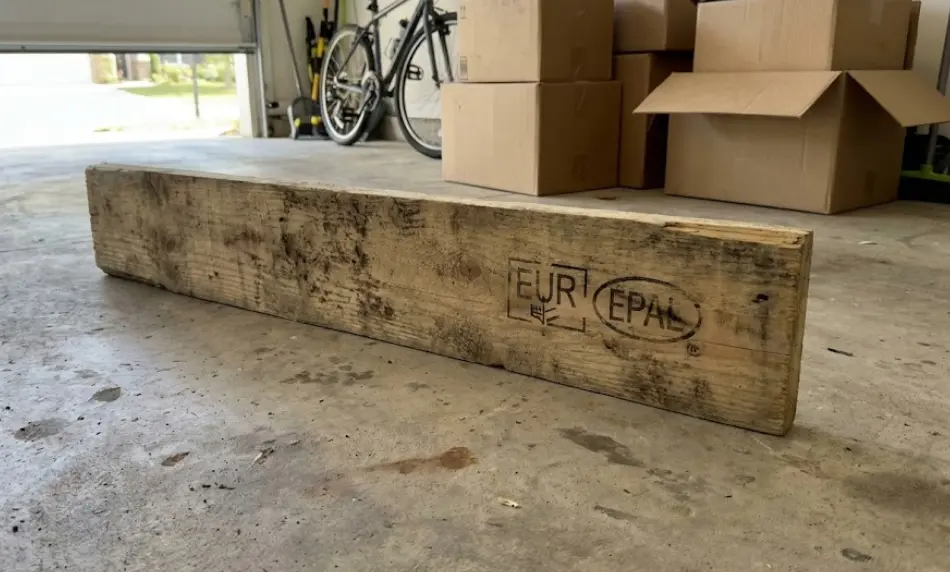
Pallet wood comes from wooden shipping platforms typically made of pine or mixed softwoods. It is often a zero-cost material if you grab discarded pallets from local hardware stores or warehouses. Be aware that warping, splitting, or thin 5/8-inch (1.5 cm) dimensions often limit their structural use for heavy furniture.
Scrap Wood Offcuts
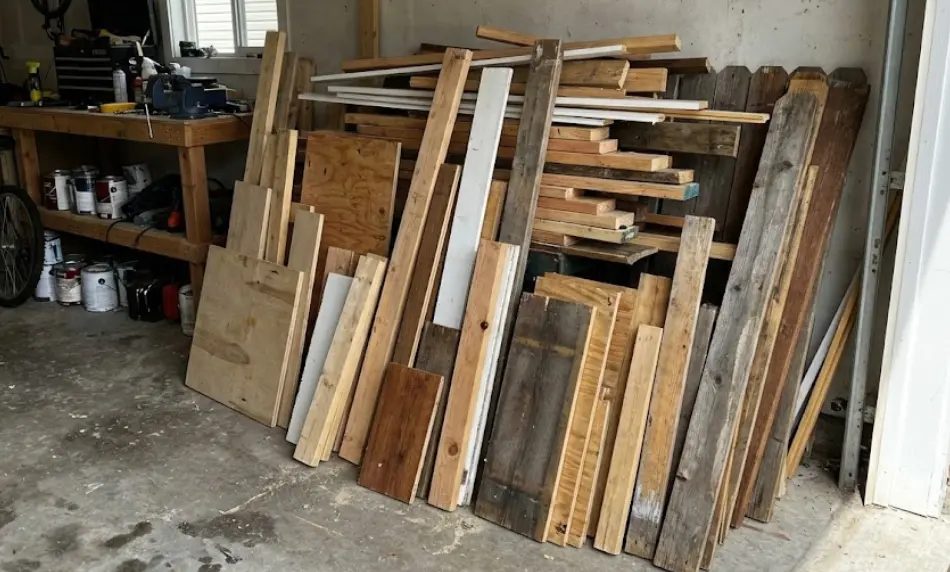
Scrap wood includes construction site cutoffs, woodworking shop remnants, or lumber from dismantled furniture. This category offers unpredictable variety, ranging from standard pine scraps to exotic hardwood pieces. It is the perfect material for scrap-busting experimental projects like small display shelves, coasters, or mosaic wall art.
Regional Wood Variations Across the US
Your geographic location dictates what salvaged materials you can easily find for your thrift flips. Sourcing locally saves money on shipping and adds unique regional history to your home decor. Local lumber yards or salvage depots are fantastic places to hunt for these regional gems.
Northeast and Southern Species
Northeast sources offer wormy chestnut with distinctive insect tunnels and colonial-era white pine that sands beautifully. Southern states provide heart pine, which boasts a Janka hardness rating of 870 to 1,225 to handle daily tabletop wear. Louisiana cypress brings natural rot resistance that is absolutely perfect for humid bathroom accents or backsplashes.
Pacific Northwest Lumber
Pacific Northwest Douglas fir offers a rugged industrial character sourced from old factories and docks. This reddish wood machines cleanly and holds hardware securely without splitting easily. It is ideal for heavy-duty floating shelves or sturdy bed frames.
Crucial Indoor Safety and Testing Protocols
Indoor air quality matters differently than your backyard deck ventilation. You must verify your reclaimed wood is safe before bringing it into climate-controlled living spaces where kids and pets play. Taking these safety steps prevents toxic exposure and long-term health hazards.
Decoding IPPC Pallet Stamps
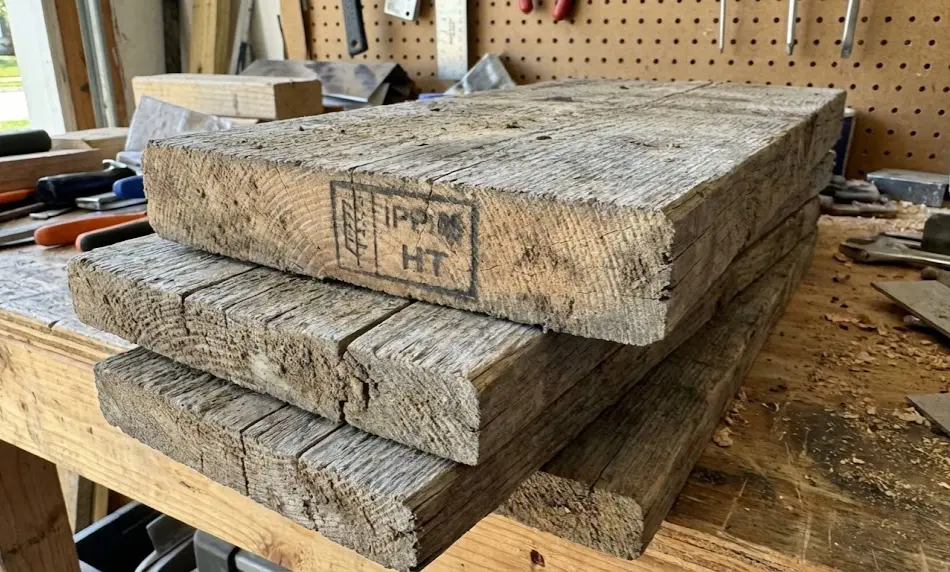
The IPPC stamp tells you exactly how a pallet was treated for pests. Look for the HT mark, which means the wood reached 133°F (56°C) for 30 minutes without chemicals. If you see MB or no stamp at all, walk away immediately to avoid bringing ozone-depleting neurotoxins into your home.
Testing for Lead and Chemicals
Any reclaimed wood from pre-1978 structures requires lead testing before you start sanding. You can use tools like a standard $8 USD 3M LeadCheck swab for quick results. If the swab turns pink or red, the wood contains lead and must never be cut or brought inside.
Managing VOC Offgassing
Wood that has not been properly kiln-dried can offgas volatile organic compounds indoors for months. Ask your reclaimed wood supplier for documentation proving their kiln-drying temperatures and duration. Kiln-dried recycled wood safely averages 8 to 10 percent moisture content, allowing it to resist the 20 percent moisture warp risk found in fresh lumber.
Step-by-Step Guide to Building Your Recycled Wood Shelves
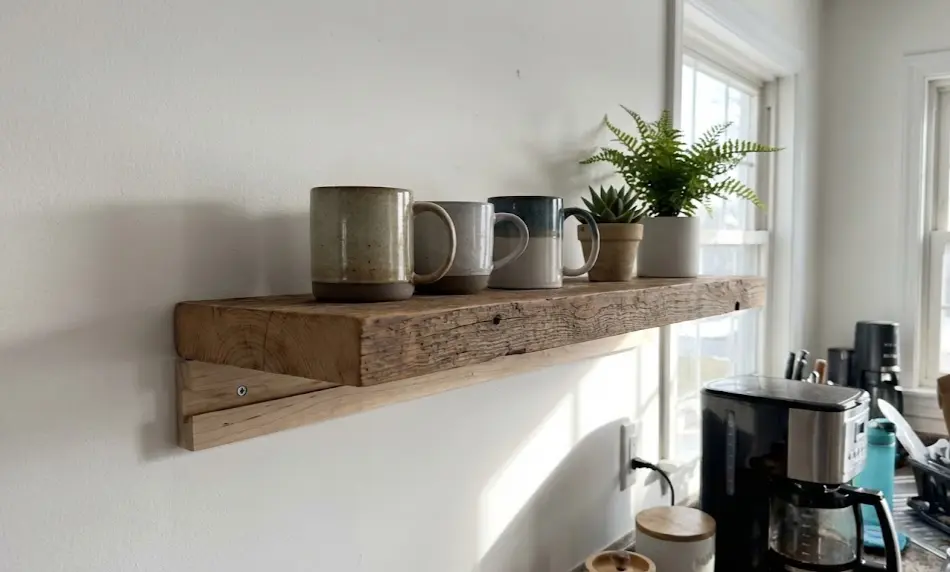
You can build sturdy recycled wood shelves in just 30 minutes with the right preparation. This simple project transforms your safe, treated pallet planks into functional floating wall storage. The best part is that this DIY approach costs roughly 80 percent less than retail equivalents.
Essential Materials and Hardware
You will need heavy-duty French cleat brackets which split into a wall-mounted rail and a shelf-mounted strip. An electronic stud finder is mandatory to prevent anchor failures under dynamic loads. Purchase toggle bolts rated for at least 75 pounds each to secure any mounting spots falling between your wall studs.
Fixing Uneven Pallet Planks
Mismatched board widths create a railroad track effect that causes shelves to wobble and tip items forward. Sort your reclaimed wood pile and select planks within 1/4 inch (0.6 cm) of each other in width. You can shim the back rabbet with small wooden wedges during mounting to level the shelf surface invisibly.
Installation and Mounting
Mark your wall studs and secure the wall portion of the French cleat using 3-inch (7.6 cm) wood screws. Flip your recycled plank face-down, position the shelf cleat flush with the top back edge, and drill pilot holes every 8 inches (20 cm). Drive 1.25-inch (3.1 cm) screws through the cleat into the wood, then lift and hook the two angled pieces together on the wall.
Weight Limits and Room Placement
Two wall studs supporting a 36-inch (91 cm) shelf can handle hundreds of pounds when using proper wood screws. Drywall anchors alone usually fail around 50 pounds, so test your installation by gradually placing 20 to 30 pounds on the front edge. These rustic shelves look amazing mounted 18 to 24 inches (45 to 60 cm) above kitchen counters or set 8 to 12 inches (20 to 30 cm) deep in home offices.
Sealing and Protecting Your Shelves
Once your shelves are securely mounted, a proper finish guarantees they will last for generations. Unfinished recycled wood can harbor dust and absorb kitchen grease or bathroom humidity. A quick protective coat makes maintenance a breeze while enhancing the natural patina.
Choosing the Right Finish
Water-based polyurethane provides a durable, clear coat that will not yellow your wood over time. For a more natural matte look, consider applying a food-safe mineral oil or beeswax blend. Always lightly sand your boards with 120-grit sandpaper before applying any finish to remove loose splinters.
Wrapping Up Your Upcycled Masterpiece
Building decor from reclaimed wood gives discarded materials a beautiful second life in your home. You save a significant amount of money while crafting custom pieces that big-box stores simply cannot replicate. Grab your tools, double-check your safety stamps, and start building a space that tells a unique story.