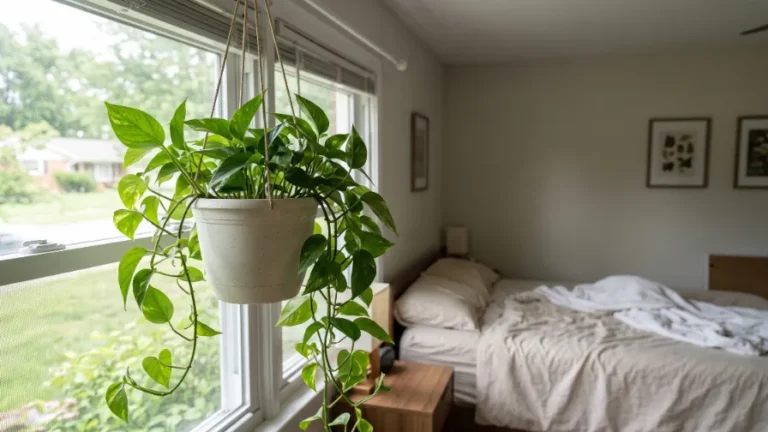
Learning how to choose plants for a bedroom saves you money and a lot of sad, crispy leaves. Most plant fails happen before you even buy because the room was never a proper match. You need a quick framework to run first to ensure your greenery actually survives.
This guide gives you an honest look at evaluating your space before spending a single dollar. You will walk away with five checks, one printable checklist, and the confidence to know when faux greenery is the smarter pick.
What Bedroom-Ready Actually Means
A bedroom-ready plant is one your room can keep alive without a constant fight. That success comes down to usable light, steady temperatures, comfortable humidity, enough space, and a safe setup for pets and kids. Skip just one of these checks and your new plant struggles to survive.
You do not need to be a master gardener to get this right. Let us check these five elements one at a time so you can shop with confidence.
Step 1: Map Your Bedroom Light
Light is the absolute first dealbreaker for any indoor greenery. Do this evaluation before you fall in love with a fussy tropical plant at the garden center.
Check Your Window Direction
South and east-facing windows generally give you the strongest and most useful morning light. North-facing rooms, dim corners, and spots far from the glass usually count as low light. Stand in your room at midday to see exactly where the sun actually lands on your floor.
Account for Blockers and Distance
Blinds, sheer curtains, a big tree outside, or a neighbor’s wall can easily cut the natural light you thought you had. If you keep your curtains closed while you are at work all day, you must count that darkness too. You can always upcycle an old thrifted mirror and place it opposite the window to bounce a little extra light into dim corners.
Measure the distance from the window to your ideal plant spot. Past about 8 feet (2.4 meters), treat that area as low light no matter how bright the room feels to your human eyes.
Step 2: Check Airflow and HVAC Drafts
A beautifully sunny spot can still be a terrible location for a houseplant. Moving air is the sneaky part of this framework that catches many beginners off guard.
Find the False Bright Spot
A plant near a sunny window might look completely perfect for an aesthetic room upgrade. But if a heating or cooling register sits nearby, the foliage dries out and the plant gets hit with brutal temperature swings. You can build a scrap-wood air deflector for under $5 USD to redirect harmful drafts away from your greenery.
Here is a simple rule for placing foliage. Treat the area within roughly 3 feet (90 cm) of a supply vent as a poor plant zone, even if it looks incredibly convenient.
Look for Other Draft Sources
Different airflow sources create different problems for fragile leaves, so scan the whole room carefully.
Floor registers and classic cast iron radiators dry out potting soil incredibly fast. Ceiling fans blow constantly, and a bedroom door that opens and closes all day creates its own steady, disruptive draft.
Step 3: Measure Humidity and Moisture Risk
Do not guess your indoor humidity levels by how the air feels. A cheap digital hygrometer takes all the mystery out of climate control.
Know the Target Range
The EPA recommends an indoor humidity target of 30 to 50 percent relative humidity for healthy homes. Staying in that ideal range helps limit dangerous mold risk on your walls and windowsills. Moisture-loving tropicals, overwatering habits, and poor airflow all add heavy humidity to a closed-off sleeping space.
Think About Your Watering Habits
If you tend to overwater with a heavy hand, be completely honest about it now. Extra soil moisture in a small, shut room is a serious mold risk for your drywall, not just root rot for the plant.
Check the hygrometer for a few days before you buy anything green. To boost humidity cheaply for a specific plant, create an eco-friendly pebble tray using an old ceramic thrifted saucer and some river rocks.
Step 4: Audit Floor Space and Surfaces
Plants grow, and the tiny nursery tag size is not the size they will be next year. Always plan for the mature plant so you do not have to repot it constantly.
Measure the Spot and the Surface
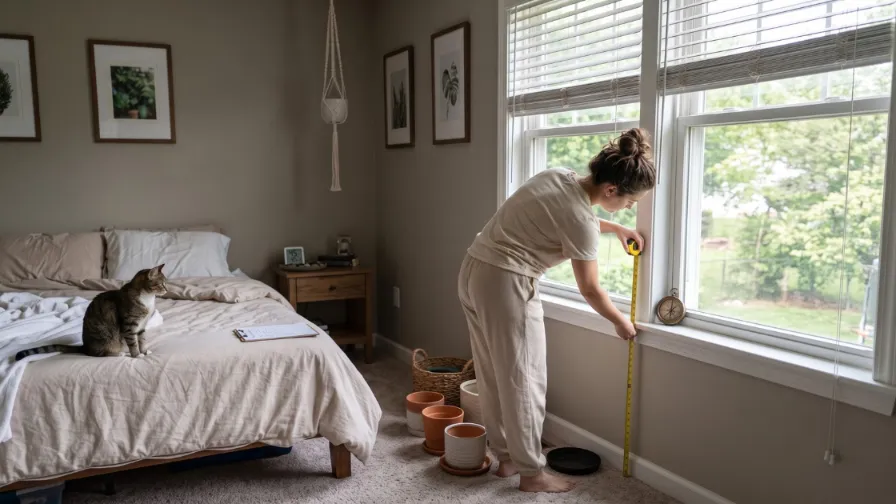
Grab a tape measure and check the exact width and height of the bedroom corner you have in mind. Then think about the heavy weight of a fully watered ceramic pot sitting on your furniture.
A nightstand or vintage floor spot also has to handle accidental water spills and messy soil drainage. Upcycle a plastic takeout container to sit hidden inside a decorative basket to protect your expensive hardwood floors from water damage.
Step 5: Screen for Pets and Children
This final check protects the people and animals you love most. It also protects your household budget from a massive emergency vet bill.
Check Toxicity First
Plant exposure is a very real safety issue for curious cats and dogs. The ASPCA reported thousands of plant-related pet poison calls recently, with common houseplants ranking incredibly high on their toxin list.
Many popular aesthetic houseplants contain insoluble calcium oxalates that cause severe mouth irritation and stomach issues. Always verify a plant species by its exact botanical name before you bring it into your home.
Plan for Reach and Behavior
A pet-safe toxicity label is only half the story. Even non-toxic plant leaves can cause an upset stomach or a messy cleanup if they get eaten by a teething puppy.
A non-toxic plant can still mean a knocked-over heavy pot or a cat digging in your fresh potting soil. Try scrap-busting some leftover cotton yarn to craft a simple DIY macrame hanger, keeping trailing plants completely out of reach.
Bedroom Plant Readiness Checklist
Run through this quick list before you grab your keys and head to the local nursery. If you answer no to any item, fix the issue first or rethink your design plan.
- Does the spot get usable light from a south or east window?
- Is the location at least 3 feet (90 cm) away from every supply vent and radiator?
- Is the spot completely free from blowing fans and constant door drafts?
- Is your room humidity safely resting between 30 and 50 percent?
- Do you have enough physical room for the plant at its full mature size?
- Can the wooden surface or carpet handle accidental water spills?
- Have you confirmed the exact plant species is safe for your pets and kids?
- Can you keep the delicate leaves physically out of reach of chewers?
- Can you stick to a consistent watering routine without drowning the roots?
Mostly yeses means you are finally ready to shop for your bedroom oasis. A few nos means you have just saved yourself a headache and a dying plant.
When Faux Plants Are the Better Choice
Real foliage is not always the right answer, and that is perfectly okay for a beautiful home. Faux greenery has a legitimate safety and aesthetic role in some tricky bedrooms.
Situations Where Faux Wins
Consider high-quality faux options if your bedroom has virtually no usable natural light at all. Fake plants are also perfect if you have a persistent pet chewer or a toddler who puts everything in their mouth. Someone in the household having severe allergy sensitivities to damp soil is another excellent reason to go fake.
High-quality faux plants give you gorgeous greenery with zero watering, no messy soil, and absolutely no toxicity worries. You can even thrift older fake plants and dust them off with a damp microfiber cloth for a zero-waste room upgrade. That is a smart, budget-friendly call, not a design cop-out.
Bring Your Bedroom to Life
Choosing the right greenery does not have to be a frustrating game of trial and error. By auditing your light, airflow, and humidity first, you set your new botanical additions up for decades of healthy growth.
Remember that a thriving, low-maintenance plant makes your room feel like a true retreat. Grab your tape measure, check your window directions, and start planning your perfect indoor garden today.