
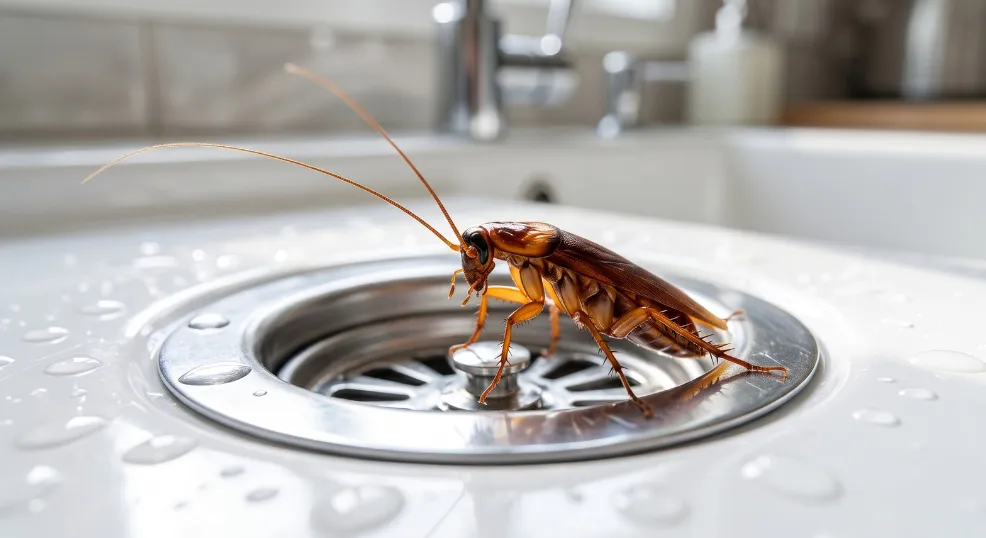
Picture this: it is 2 a.m., you pad into the kitchen for a glass of water, flip on the light, and something small and shiny sprints for the cover of your toaster. Your heart does a little jump, and your peaceful night is officially over. Nobody wants to experience that moment in their own home.
The good news is that keeping these pests out is completely doable on a budget. You do not need to scrub your home with a toothbrush daily or live like a lab technician. Think of pest defense like locking your front door against tiny, uninvited houseguests.
What Actually Attracts Cockroaches
Roaches are simple scavengers drawn to easy food, moisture, warmth, and dark hiding spots. Once you understand this biological checklist, protecting your home feels less like guesswork and more like a standard maintenance routine.
The Myth of the Spotless House
A clean house helps immensely, but it does not guarantee a pest-free environment. Cleaning simply removes the buffet, but it does not close the physical doors they use to sneak inside. If a roach can flatten its body to squeeze through a 1/16 inch (0.15 cm) gap, it will invite itself in.
The Four Hidden Magnets
Food sources hide in plain sight, from crumbs under the stove to pet bowls left out overnight. Water is just as critical, meaning a leaky faucet or a damp sponge is a literal oasis for a thirsty insect. Shelter is easily provided by forgotten cardboard boxes, clutter, and the warm voids behind your heavy appliances.
How to Seal Your Home Against Invaders
The simplest way to keep insects out is to seal the exact exterior and interior gaps they use as highways. Think of this as weatherizing your home, which saves on your energy bills while simultaneously blocking pests. Grab a tube of flexible 100-percent silicone caulk and a flashlight for a quick 30-minute walkthrough.
Tackling Baseboards, Doors, and Windows
Apply your caulk to any visible cracks where your wood baseboards meet the drywall or flooring. Check your exterior doors for sunlight creeping in at the bottom, which is a massive red flag. Installing a heavy-duty door sweep is a cheap fix that completely blocks this common entry point.
Securing Plumbing and Drains
Look under your sinks and behind the toilet for gaps where plumbing pipes enter the drywall. Fill these voids with expanding foam or copper mesh to create an impenetrable, chew-proof barrier. Since insects occasionally travel through dry plumbing, keep your drains clean and use fitted metal screens over tub drains.
Room-by-Room Prevention Strategies
Different rooms require specific defensive tactics to eliminate overlapping food and water sources. Let us start with the most critical zones in your house to maximize your DIY efforts.
The Kitchen Headquarters
Your kitchen is the ultimate pest destination, making your daily sanitation habits here absolutely critical. Transfer pantry staples, pet kibble, and leftovers into heavy-duty, airtight acrylic or glass containers. Thin plastic grocery bags and cardboard cereal boxes are absolutely no match for a determined chewing insect.
Wipe down stovetops and range hoods to remove the sticky grease film that serves as a high-calorie feast. Take your trash out frequently using a tightly lidded bin to eliminate lingering odors. Pull out your fridge and stove every few months to vacuum up the hidden crumbs that accumulate in those warm spaces.
The Bathroom Spa
Insects require moisture to survive, making a steamy, damp bathroom an ideal breeding ground. Fix slow drips under the sink immediately, as a single leaking pipe provides enough hydration to sustain a colony for weeks. Wipe down sink edges after use and hang your towels properly so they dry quickly.
Run your exhaust fan or open a window during showers to slash room humidity levels. Clear out under-sink clutter like empty toilet paper rolls or stacks of magazines that provide cozy hiding spots. If you notice a musty smell, investigate immediately for hidden mold or pipe condensation.
Apartment and Renter Prevention Tactics
Shared walls and communal plumbing mean apartment living requires a slightly different defensive playbook. You cannot control your neighbors, but you can turn your specific unit into an unappealing fortress.
What Renters Can Control
Most landlords encourage basic maintenance, so grab some removable caulk and seal the under-sink pipe gaps yourself. Break down delivery boxes immediately and take them to the communal recycling bin, as corrugated cardboard is a favorite hiding spot. Place sticky monitoring traps behind your fridge and toilet to catch early wanderers before they multiply.
When to Involve the Landlord
Internal wall leaks and major structural gaps around pipe chases are your landlord’s responsibility to fix. Put your maintenance requests in writing via email to create a clear paper trail. If multiple units are experiencing issues, a building-wide treatment is usually required by local housing codes.
Natural Prevention and Integrated Pest Management
You can successfully deter pests without relying heavily on harsh chemical sprays. Professional exterminators rely on environmental modifications first, focusing heavily on rigorous sanitation and physical exclusion.
Read Next: Natural DIY Pest Control Methods
The Truth About Essential Oils
Peppermint oil and bay leaves are incredibly popular online DIY deterrents for various insects. Treat these natural scents as a nice bonus rather than your primary defense line. A handful of bay leaves in the pantry will never compensate for an open bag of flour or a leaking pipe.
Following Environmental Guidelines
The most effective non-toxic approach aligns directly with official environmental protection strategies. By adopting integrated pest management principles, you ensure you address the root causes of infestations rather than just treating the symptoms. This means prioritizing physical repairs, moisture control, and deep cleaning over reactive chemical spraying.
Establishing a Long-Term Maintenance Routine
Once you have secured your home, maintaining that physical barrier requires a few simple, repeating habits. Consistency is your absolute best weapon against future uninvited guests.
Daily and Weekly Habits
Spend two minutes every night wiping down counters, running the sink dry, and securing the pet food. Once a week, vacuum the deep crevices along your kitchen cabinets and empty all indoor recycling bins. Check your sticky traps weekly to monitor for any new activity in dark corners.
Seasonal Checkups
Pests often seek indoor shelter when the weather changes, so perform a quick perimeter check every fall and spring. Inspect your window screens for new tears and ensure your exterior door sweeps have not cracked or warped. Walk around your exterior foundation and seal any new hairline cracks that developed during the year.
Final Thoughts on Keeping Your Home Bug-Free
Preventing an invasion comes down to making your home the most boring, uninviting property on the block. Remove their food, eliminate standing water, and physically seal up their entryways. You do not need to tackle this entire checklist in a single exhausting afternoon.
Start small by transferring your pantry goods into sealed containers and caulking the gaps under your kitchen sink. Pick up a tube of silicone caulk this weekend and spend 15 minutes checking your baseboards. Protect your peace of mind, save money on exterminators, and reclaim your kitchen for good.