
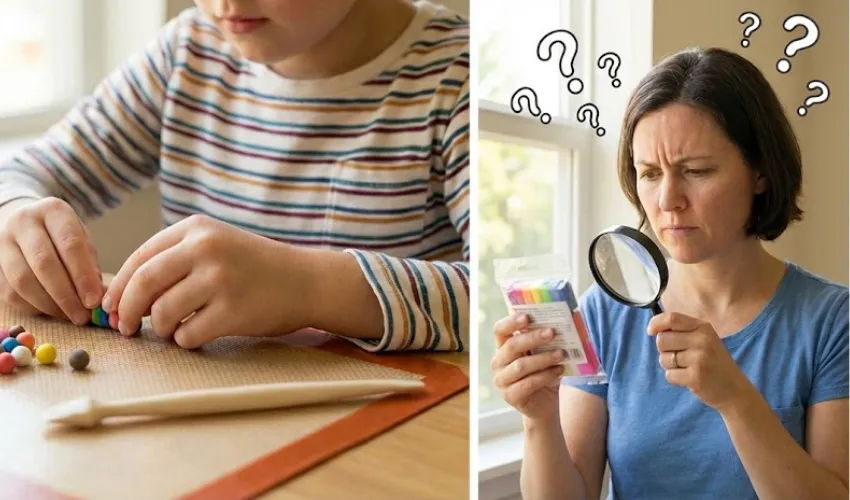
You’re standing in the craft aisle, holding a package of polymer clay, and suddenly the doubts flood in. Will baking this release fumes that harm my kids? Is this plastic-based clay ruining my efforts toward an eco-friendly home? The packaging says “non-toxic,” but your parenting instincts—or your green living values—are sounding alarms.
Here’s what you’ll learn in the next five minutes: The nuanced truth about polymer clay safety, exactly when it poses risks (and when it doesn’t), how to use it responsibly if you choose to, and what genuinely natural alternatives exist for families prioritizing health and sustainability. No fear-mongering, no greenwashing—just the data you need to make an informed decision.
What’s Actually Inside Polymer Clay? The Ingredient Reality Check
Polyvinyl Chloride (PVC) Forms the Base. The majority component in brands like Sculpey and Fimo is PVC resin—the same synthetic polymer used in plumbing pipes and vinyl flooring. This establishes polymer clay as a petroleum-derived product, not a natural earth clay.
Plasticizers Make It Pliable. Additives like phthalates (historically DOP, now often ATBC) keep the clay soft until baking. Modern “phthalate-free” formulations exist, but legacy concerns about endocrine disruption through hand-to-mouth contact remain valid for sensitive users.
Fillers and Pigments Add Body and Color. Calcium carbonate, kaolin clay, and various colorants bulk up the formula. Safety Data Sheets (SDS) for reputable brands show these at non-reportable hazard levels under OSHA standards—proprietary blends typically contain less than 1% volatile organic compounds.
Certification Tells the Safety Story. Look for the ASTM D-4236 and AP (Approved Product) seals from the Art & Creative Materials Institute (ACMI). These certifications confirm non-toxicity for intended use—but “intended use” has important limits we’ll cover next.
Is Polymer Clay Safe for Kids? The Three Critical Contexts
Raw Clay Handling: Generally Safe with Basic Supervision
Skin Contact Poses Minimal Risk. SDS data confirms polymer clay is non-irritating to skin and eyes in its uncured state. Kids can knead, roll, and shape it safely—just enforce a “no eating, wash hands after” rule.
Ingestion Concerns Are Low but Real. While classified as non-toxic, swallowing polymer clay isn’t recommended. Small amounts passing through the digestive system cause no acute harm per manufacturer data, but young children under 3 who mouth objects frequently should use alternatives.
Hand-to-Mouth Transfer Matters for Toddlers. The phthalate concern isn’t about skin absorption—it’s about residue on hands reaching mouths during snacking. For kids under 5, either supervise hand-washing rigorously or choose air-dry natural clays instead.
Baking Protocol: Where Safety Requires Precision
Correct Temperature = Negligible Emissions. Baking at manufacturer-specified temperatures (265-300°F/130-150°C for 15-30 minutes) produces only mild plasticizer vapor—detectable by slight odor but not acutely hazardous. Think of it like heating vinyl siding on a summer day.
Overheating Creates Real Fumes. Exceed 350°F (175°C) or burn the clay, and you’ll release hydrogen chloride gas (HCl) and intensified plasticizer vapors. These irritate eyes, nose, and throat—similar to burning PVC pipe. This is why dedicated toaster ovens or outdoor baking are recommended.
Ventilation Is Non-Negotiable. Even at correct temps, bake in a well-ventilated area or outdoors. Never use your kitchen oven for polymer clay and then immediately bake food—cross-contamination of vapor residue is low-risk but easily avoided with a separate appliance.
Fume Sensitivity Varies by Person. Households with asthma, chemical sensitivities, or very young babies should weigh whether even mild plasticizer odors justify the craft—alternatives exist that eliminate this concern entirely.
The Eco-Home Dilemma: Why Polymer Clay Fails Green Living Standards
PVC Never Biodegrades. Finished polymer clay pieces persist in landfills for 1,000+ years, fragmenting into microplastics that enter soil and waterways. If your household prioritizes zero-waste or composting, this synthetic permanence conflicts with those values.
Production Carries a Petroleum Footprint. Manufacturing PVC resin and plasticizers requires fossil fuel extraction and energy-intensive chemical processing. Unlike natural clays dug from earth, polymer clay has a high embodied carbon cost.
Recycling Infrastructure Doesn’t Exist. Cured polymer clay can’t go in residential recycling bins—PVC contamination ruins plastic recycling streams. Failed projects or broken pieces head straight to trash.
Honest Green Crafting Requires Disclosure. If you blog about eco-friendly DIY or run a sustainable craft business, using polymer clay demands transparency. Acknowledge the trade-off: convenience and detail versus environmental impact. Your audience’s trust depends on this nuance.
Myth-Busting: What the Internet Gets Wrong About Polymer Clay Safety
Myth 1: “It’s As Safe As Play-Doh.” Reality check—Play-Doh is wheat/salt/water based and edible (if gross). Polymer clay carries AP certification for intended use (crafting, not eating), but its PVC/plasticizer chemistry differs fundamentally from natural doughs. Safe with precautions ≠ identical safety profiles.
Myth 2: “Baking Fumes Are Always Toxic.” The truth is dosage-dependent. Proper baking at 275°F emits mild plasticizer vapor (irritating, not poisonous). Toxicity emerges only from burning/overheating above 350°F, which releases HCl gas. Use a dedicated oven and thermometer—this isn’t guesswork.
Myth 3: “All Polymer Clays Are Created Equal.” Brand quality matters enormously. Sculpey and Fimo publish full SDS documents showing low hazard levels; cheap imported clays from unknown sellers may lack ACMI certification and contain higher phthalate levels or unlisted additives. The AP seal is your shield.
Key Takeaways: Safety Comparison Table
| Factor | Polymer Clay (Sculpey/Fimo) | Air-Dry Natural Clay | Oil-Based Modeling Clay |
|---|---|---|---|
| Toxicity (Raw) | Non-toxic (AP certified), low VOC | Non-toxic, food-grade safe | Non-toxic, mineral/wax based |
| Baking Required? | Yes (265-300°F, fumes if burned) | No (air-cures) | No (never hardens) |
| Phthalate Concerns | Low (modern formulas), hand wash | None (cellulose/paper) | None (wax/oil) |
| Biodegradable? | No (PVC, 1000+ years) | Yes (compostable) | Neutral (reusable indefinitely) |
| Kid Age Suitability | 5+ supervised, ventilated baking | 3+ (fully safe) | 3+ (no ingestion risk) |
| Eco-Footprint | High (petroleum, microplastics) | Low (renewable materials) | Medium (mineral extraction) |
| Detail/Durability | Excellent (fine detail, waterproof) | Moderate (cracks if thin) | Poor (stays soft, smudges) |
| Cost per Ounce | $$$ (premium synthetic) | $ (budget friendly) | $$ (professional grade) |
The Verdict: Polymer clay wins for intricate, permanent projects but fails eco-living and fume-free requirements. Air-dry clays dominate kid safety and sustainability; oil-based clays suit reusable sculpting practice.
Budget Reality: Is Polymer Clay Worth the Premium for Green Families?
Price Shock for Minimal Quantities. A 2 oz Sculpey block costs $3-5; completing a small jewelry set requires 6-8 blocks ($18-40). Compare this to a 3 lb bucket of Crayola Air-Dry Clay at $12—enough for 20+ kid projects.
Hidden Costs Add Up. Factor in a dedicated toaster oven ($30-50 used), outdoor workspace setup, and potential waste from failed bakes. For eco-conscious budgets already stretched by organic food and solar investments, this “non-essential” craft expense conflicts with financial priorities.
Skill Learning Curve Wastes Material. Beginners overbake, undermix colors, or crack pieces—each mistake trashes non-biodegradable PVC. Air-dry clays forgive errors (just re-wet and reshape) without environmental guilt.
The Green Budget Hack: Invest polymer clay budget into quality natural alternatives. A $25 set of Activa Plus Natural Air-Dry Clay plus eco-friendly acrylic paints delivers 10x the project volume, zero fumes, and compostable scraps—aligning costs with values.
Natural Alternatives That Actually Work for Kids and Eco-Homes
Air-Dry Clay: The Zero-Fume Champion
Cellulose and Paper Pulp Base. Brands like Crayola Model Magic and Activa use renewable plant fibers mixed with non-toxic binders. Fully biodegradable—failed projects can literally go in your compost bin after crumbling.
Kid-Safe Without Supervision Stress. No baking means no fume worry, no oven monitoring, no burn risks. Kids 3+ can create independently while you cook dinner. Finished pieces air-cure in 24 hours, then paint with water-based acrylics.
Texture Trade-Off. Air-dry clay cracks if sculpted too thin and can’t achieve polymer clay’s glass-smooth finish. Best for chunky jewelry, ornaments, pinch pots—not miniature food or delicate dollhouse items.
Eco Win. Zero petroleum content, minimal processing, and complete compostability make this the gold standard for green crafters. Pair with natural dyes (beet juice, turmeric) for next-level sustainability content.
Oil-Based Modeling Clay: The Reusable Sculptor’s Choice
Mineral Wax and Oil Formula. Professional brands like Chavant and Roma Plastilina blend clay minerals with non-drying oils. Never hardens, stays pliable indefinitely—knead it back into a blob and reuse for years.
Perfect for Practice and Skill-Building. Kids learning sculpture techniques can rework the same clay repeatedly without waste. No baking means immediate gratification—sculpt, photograph, then recycle the material.
Limitation. Can’t create permanent finished pieces. Use it for prototypes, stop-motion animation armatures, or pure play—then switch to air-dry clay for final keepsake versions.
Eco-Neutral. Mining minerals has environmental impact, but infinite reusability offsets initial extraction. One 5 lb block serves a family for years versus bags of single-use polymer clay.
When Polymer Clay Still Makes Sense (With Precautions)
Intricate Jewelry and Miniatures. If you’re running an Etsy shop selling detailed fairy garden accessories or need waterproof earrings, polymer clay’s precision and durability justify the trade-offs. Just disclose your material choices transparently to eco-conscious customers.
Use Premoistened Low-Plasticizer Formulas. Check SDS sheets for ATBC plasticizer (lower leaching) over older DOP types. Brands like Premo Sculpey offer softer clays requiring less kneading—reducing hand contact time and phthalate transfer risk.
Outdoor Baking Station Setup. Dedicate a thrift-store toaster oven for outdoor use only. Bake on a covered porch or garage with door open, never in your main kitchen. Install a basic oven thermometer ($8) to prevent overheating—accuracy beats guesswork for fume control.
The Final Verdict: Safety Depends on Your Household’s Priorities
For families with kids under 5, fume sensitivities, or strict eco-living commitments, polymer clay fails the risk-benefit test. Air-dry natural clays deliver 90% of the creative joy with zero health/environmental conflicts—this is your best path.
For older kids (8+) with dedicated outdoor baking space and no chemical sensitivities, polymer clay becomes a reasonable choice if you enforce proper ventilation, temperature control, and hand hygiene. The AP certification holds true when protocols are followed.
For eco-purists and green content creators, using polymer clay requires honest disclosure about PVC persistence and petroleum footprints. Your audience trusts you for transparency—greenwashing “eco-crafts” with synthetic clays destroys credibility faster than any project tutorial builds it.
The smart compromise: Master air-dry and oil-based clays first. Reserve polymer clay for the 5% of projects (waterproof jewelry, heirloom miniatures) where its unique properties genuinely matter. Your lungs, kids, and planet will thank you for the nuance.
Still exploring the safest craft materials for your family?
Check our Eco-Friendly Craft Supplies category for detailed guides on natural paints, sustainable adhesives, and zero-waste project ideas that align with your green living goals—no compromises required.