
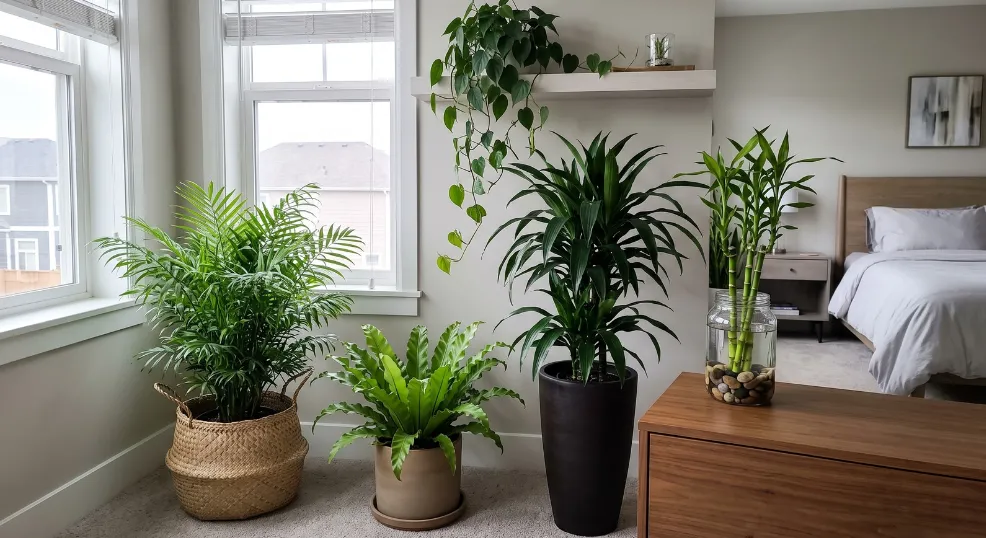
Got a dim bedroom and a long history of plants that quit on you? You are not cursed with a brown thumb. You just need low-light bedroom plants that are tough enough for the room you actually have.
This guide gives you 14 reliable picks that thrive in less-than-ideal conditions. You will learn a simple way to tell if your room is truly low light or practically dark. You will also discover exactly where to place each plant and when a budget-friendly grow light is worth the investment.
Low Light vs No Light: What Your Bedroom Really Has
Most indoor gardening disasters start with a mix-up between these two exact terms. Low light means the space is dim but still receives actual daylight. No light means the plant is basically sitting in a dark closet.
Understanding Low Light Conditions
Plant experts measure light in foot-candles, with low light sitting roughly between 25 and 100 foot-candles. This is the kind of gentle illumination you find right next to a north-facing window. Anything dipping below 50 foot-candles will eventually starve your leafy friends. Treating 50 foot-candles as your minimum safe zone will save you money on replacement plants.
The Quick Bedroom Window Test
Stand exactly where you want your new plant to live and look at the nearest window. Can you clearly see the sky from that spot? Is the location within a few feet of the glass pane? If you answered yes to both, you successfully have a low-light setup.
If the blinds stay closed while you are at work, the room lacks a window entirely, or the spot is shoved into a distant corner, you have no light. In that scenario, skip ahead to the grow light section to save your greenery.
Where to Put Plants in a Dim Bedroom
Picking a resilient plant is only half the battle for indoor gardeners. Your placement strategy ultimately decides whether it thrives or wilts. We want to maximize whatever natural rays you have available.
Stay Within a Few Feet of the Window
A north-facing window delivers decent low light as long as you stay close to it. Moving a plant even 3 feet (about 1 meter) away from the glass can drastically drop the light levels. Aim to keep your plants practically touching the windowsill or on a nearby thrifted nightstand.
Bedroom Lamps Do Not Count
A standard bedside lamp feels bright to your eyes, but it offers zero nutritional value to a plant. Household bulbs lack the specific color spectrum required for photosynthesis. You need an actual grow light if your natural sunlight falls completely short.
14 Low Light Bedroom Plants That Won’t Fail
Every plant on this list tolerates dim, indirect light while still looking fantastic. Each one still wants to sit near a window rather than hiding in a dark corner, because dim lighting causes soil to dry out much slower, following essential watering pro-tips
is crucial to keeping these resilient plants healthy.
1. ZZ Plant
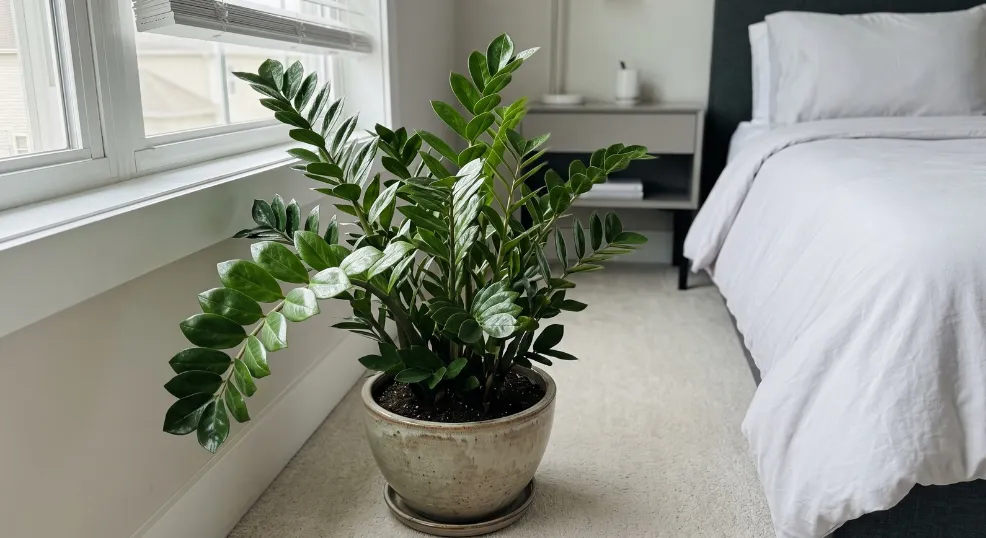
The ZZ plant is legendary for surviving sheer neglect in dim environments. Its glossy, upright stems look incredibly tidy and store water for weeks. It is a fantastic first pick for busy DIYers who want a forgiving plant.
2. Snake Plant
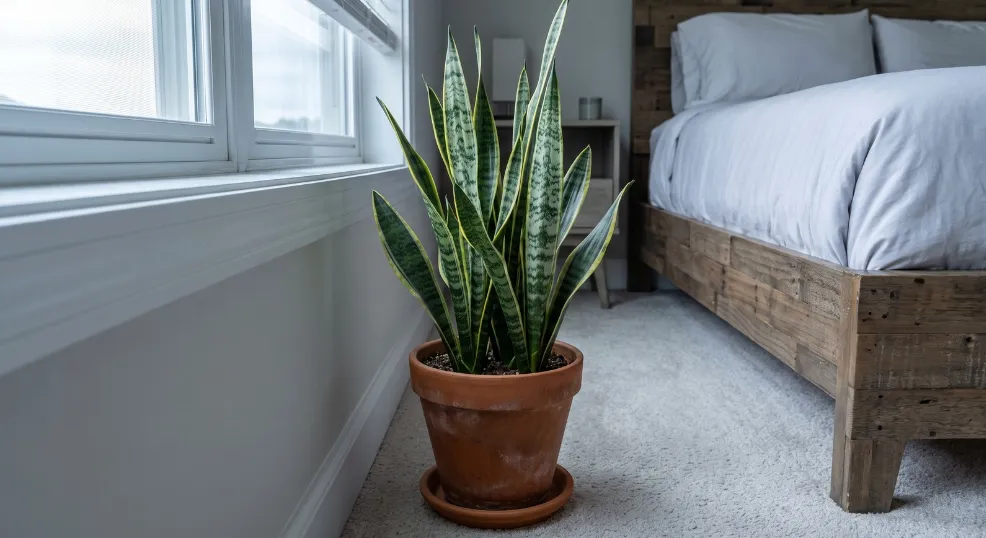
Snake plants feature stiff, architectural leaves that stay wonderfully compact. They easily squeeze into narrow gaps beside a dresser or a reclaimed wood bed frame. This structural beauty is an absolute classic for low-light corners.
3. Cast Iron Plant
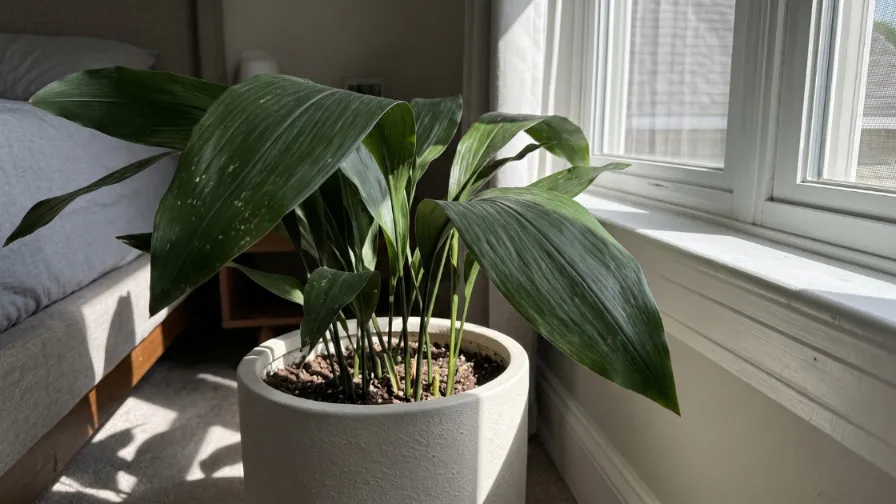
The name completely gives away its indestructible nature. The cast iron plant features broad, dark leaves that handle deep shade better than almost anything else. Plant it in a chunky, peat-free soil mix to keep it healthy and eco-friendly.
4. Peace Lily
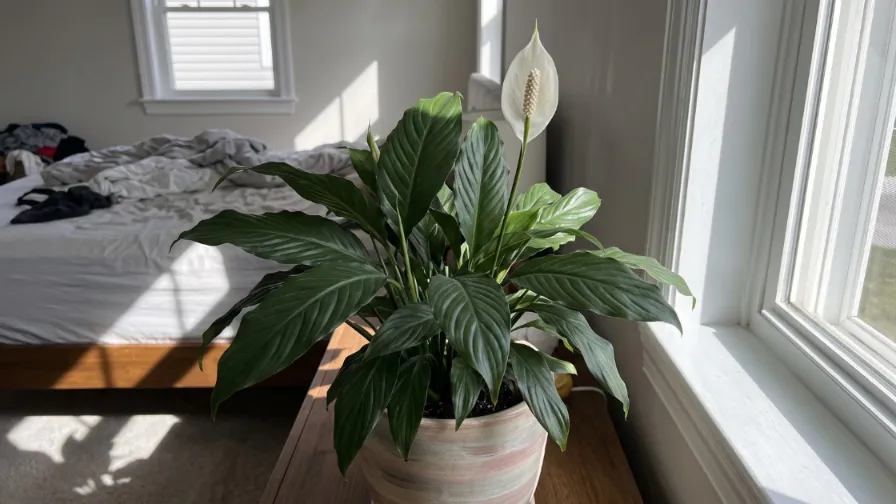
The peace lily is a rare gem that can actually bloom in low-light conditions. It dramatically droops when thirsty, letting you know exactly when to water it. Keep it within a couple of feet of the glass for the best chance at those elegant white flowers.
5. Pothos
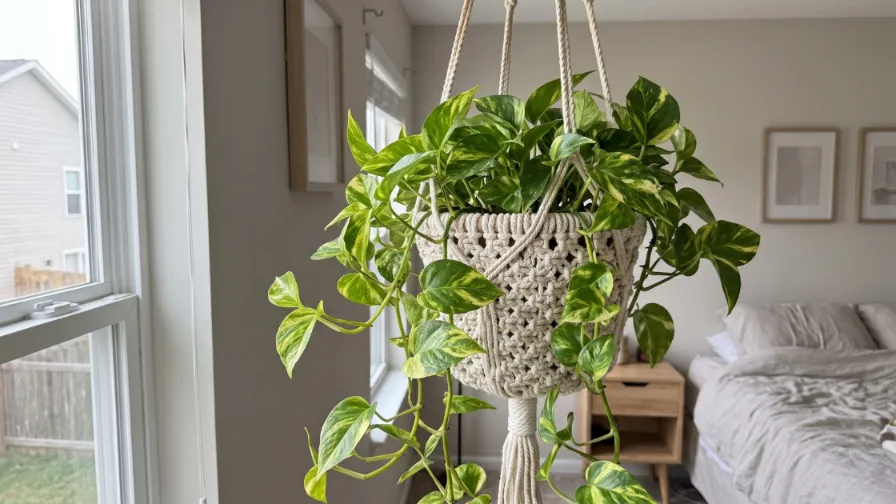
Pothos vines look incredible trailing off a DIY floating shelf or a tall bookcase. It is extremely budget-friendly because you can easily propagate new plants from simple stem cuttings. A single $15 USD purchase can eventually fill your entire house with greenery.
6. Heartleaf Philodendron
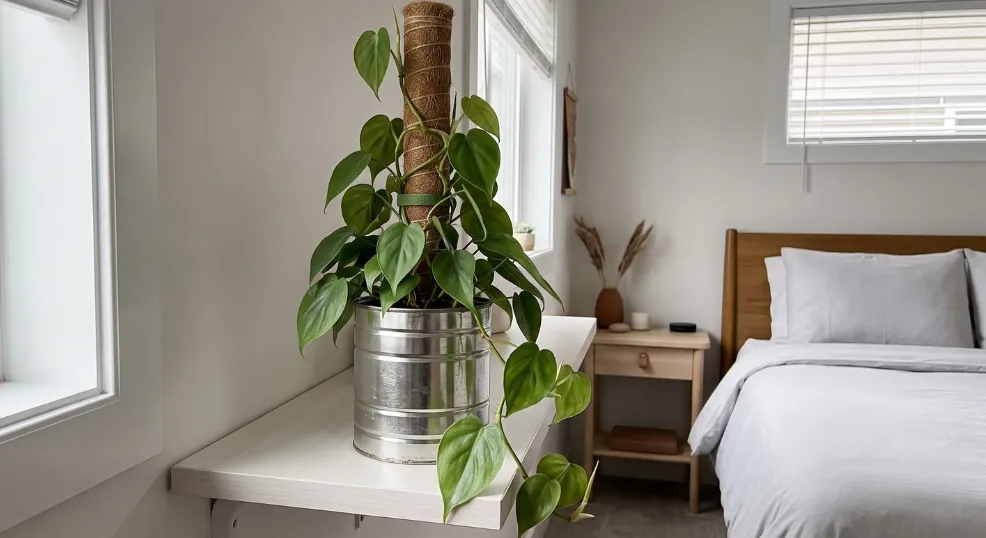
Think of this beauty as the softer, heart-shaped cousin to the pothos. It copes remarkably well with dim, indirect light and thrives on minimal intervention. Let the vines drape naturally or train them up a sustainable coco-coir pole.
7. Chinese Evergreen
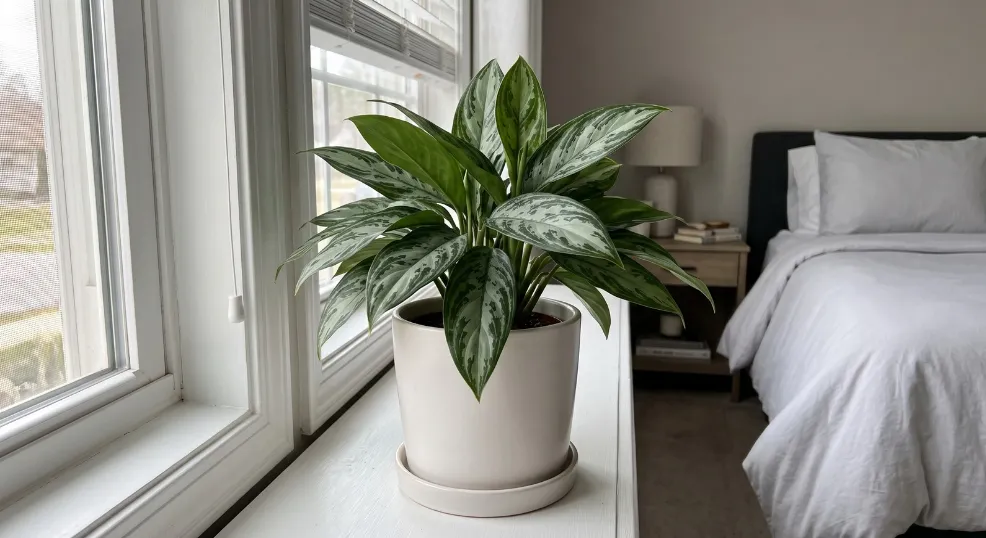
The Chinese evergreen is your best bet when you want striking leaf patterns without bright sun. The darker green varieties handle dim rooms significantly better than the highly variegated ones. Stick to the classic silver-and-green types if your light is particularly weak.
8. Parlor Palm
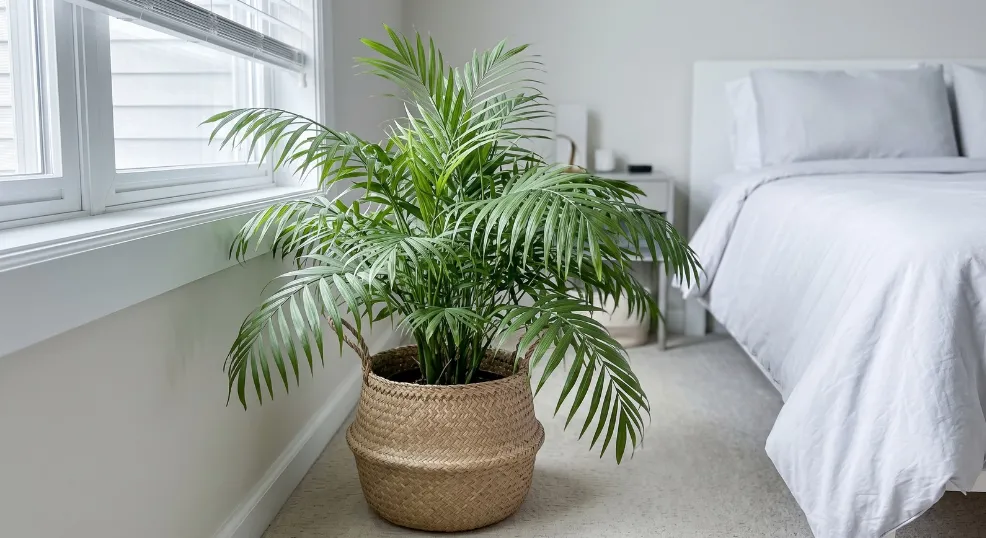
The parlor palm delivers a lush, tropical aesthetic while maintaining a small footprint. It grows slowly in indirect light, meaning it will not quickly outgrow its space. It is a fantastic choice if you want a floor plant without buying a massive, expensive pot.
9. Spider Plant
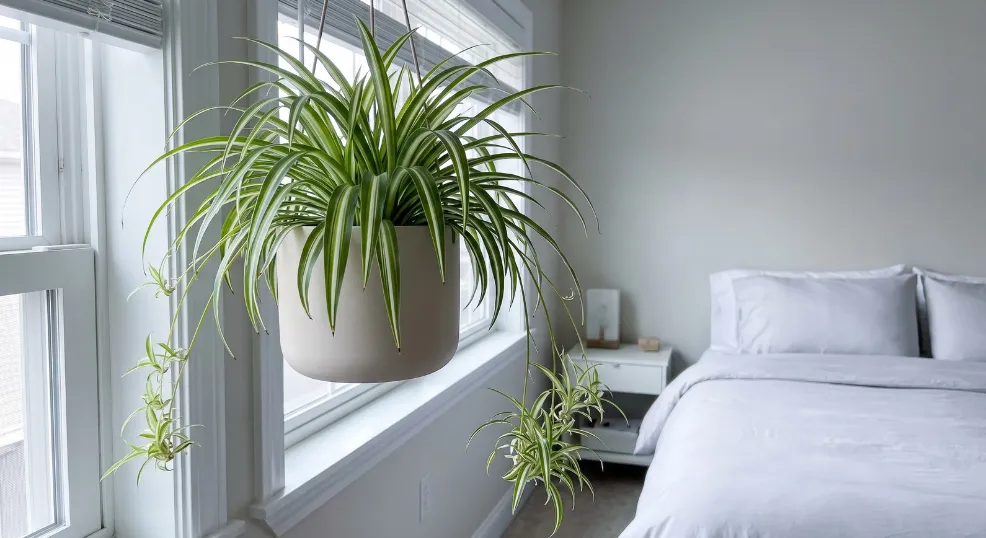
Spider plants handle lower light gracefully and constantly produce tiny baby plantlets. You can snip these off and pot them up for absolutely free home decor.
10. Janet Craig Dracaena
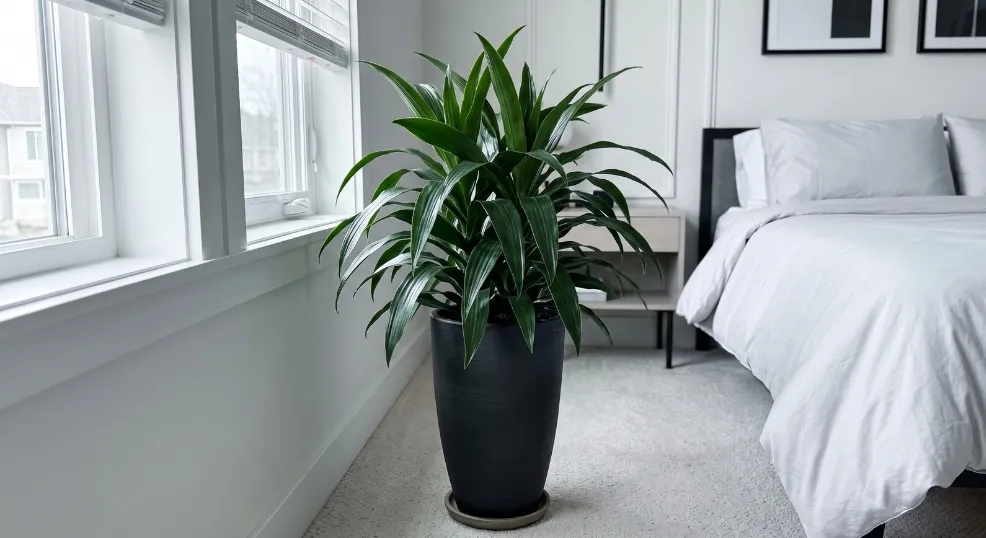
This specific dracaena variety features solid, deep green leaves that are perfectly adapted to dimmer rooms. It grows strictly upright, making it ideal for tight corners near your bedroom window. It provides great vertical interest without eating up valuable floor space.
11. Lucky Bamboo
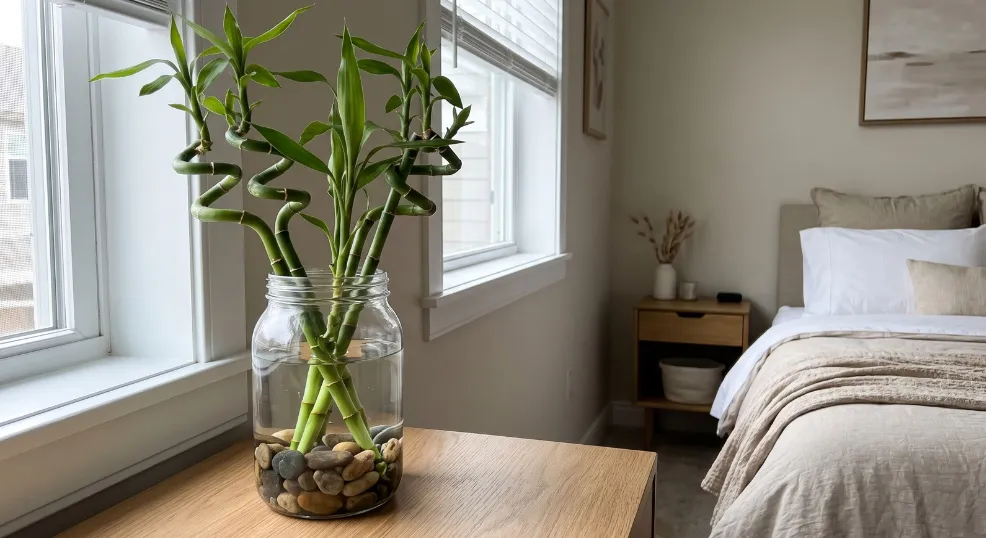
Lucky bamboo is a compact, easy-care plant that actually prefers low-light environments. It grows happily in a simple glass jar filled with water and aquarium pebbles. This makes it a wonderfully cheap and modern accent for a crowded dresser.
12. Bird’s Nest Fern
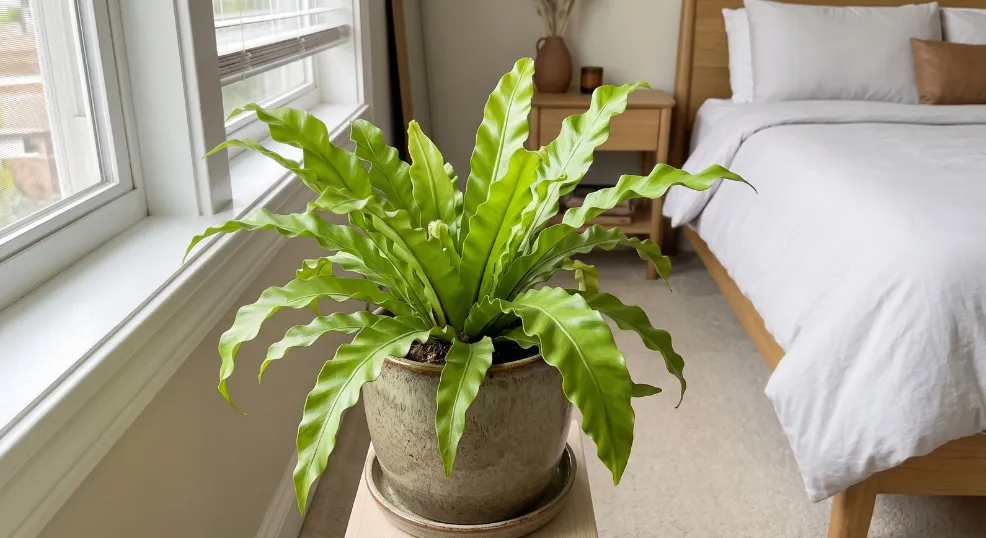
The bird’s nest fern brings a burst of fresh, wavy green texture to shady bedroom spots. It strictly prefers indirect light and easily scorches under harsh, direct sun. A north-facing window is its absolute favorite place to hang out.
13. Peperomia
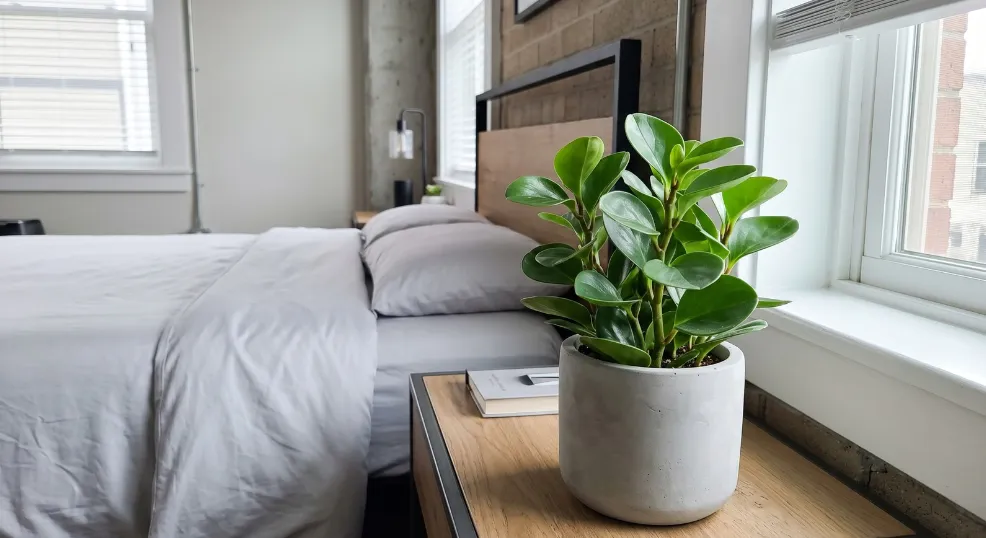
Peperomias stay naturally small, making them the ultimate companion for a tiny nightstand or narrow ledge. Their thick leaves hold water well, allowing them to handle both dim light and occasional forgetfulness. Keep them in a well-draining soil mix to prevent root rot.
14. Prayer Plant
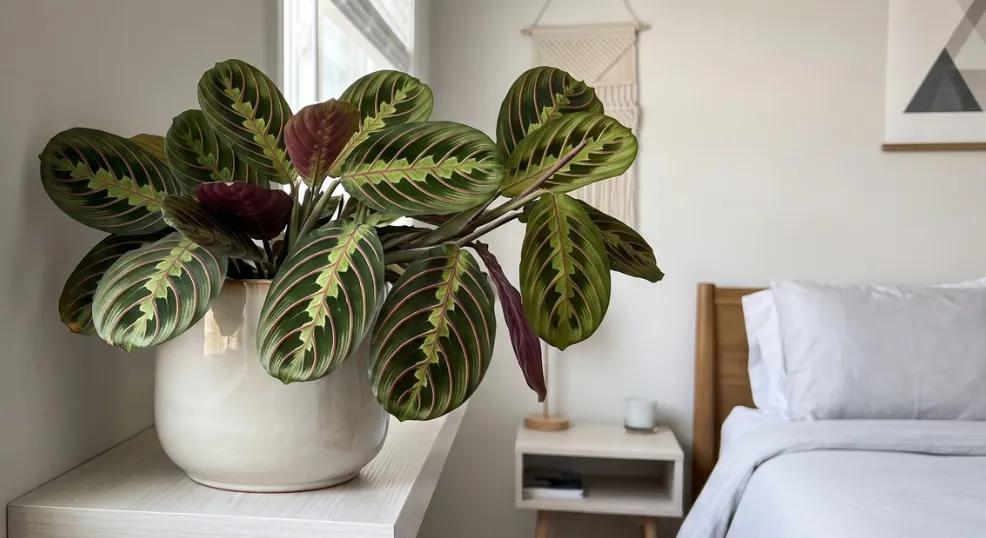
The prayer plant is a visual stunner for dim rooms, boasting intricate green and maroon patterns. It folds its leaves upward at night, almost like it is praying before bed. It prefers bright indirect light over deep shade, so keep it comfortably close to the glass.
When a Compact Grow Light Is Worth Buying
Sometimes a bedroom is just too dark for even the toughest botanical survivors. If your room fails the window test, a small grow light can completely save your indoor garden project. They are surprisingly cheap to run and easily mount under shelves or inside lamps.
Signs You Need Artificial Light
You need a grow light if your plant sits more than 3 feet (about 1 meter) from a window. You also need one if your room relies heavily on closed blinds for privacy. Remember that a standard 60-watt reading bulb will not keep a plant alive.
How to Use Grow Lights Safely
A simple LED grow bulb should be placed about 6 to 12 inches (15 to 30 cm) above the plant foliage. Run the light for 12 to 14 hours a day using an inexpensive plug-in wall timer. Do not put the bulb too close to the leaves, as cheap LEDs can surprisingly cause heat bleaching.
Cultivating Your Indoor Bedroom Oasis
Transforming a dim bedroom into a green retreat is entirely possible when you choose the right companions. Start by doing the quick window test to honestly assess your available natural light. Once you know your light levels, you can confidently pick from the tough, budget-friendly plants listed above.
Do not be afraid to get creative with how you display them to stretch your budget. Hunt for vintage pots at local thrift stores, use eco-friendly soil mixes, and try propagating your pothos to multiply your collection for free. If your room is a total cave, simply screw an LED grow bulb into an old desk lamp and let a timer do the heavy lifting.

