We’ve all been there—you walk into the kitchen at 7 a.m., still half-asleep, and there they are: a neat little highway of ants marching confidently across your counter like they own the place. With kids or pets nearby, reaching for a harsh chemical spray feels wrong. And calling an exterminator for a handful of ants? That can run $150–$300 for something you can genuinely fix yourself in under an hour.
The good news: a few pantry staples and bottle caps are all you need. This is one of the 15 Natural DIY Pest Control Methods That Actually Work (No Harsh Chemicals!) and this specific guide gets straight to the fix.
Your Penny-Sized Pest Control Kit
Before you begin, take a breath. You don’t need a special trip to the hardware store. Raid your kitchen drawers—everything here costs next to nothing.
- White distilled vinegar (or diluted 1:1 with water)
- Clean cloth or paper towels
- Borax (laundry section, ~$4 for a large box)
- Granulated sugar, honey, jam, or corn syrup
- Plastic bottle caps (from water bottles or milk jugs)
- A toothpick or two
- Optional: small piece of painter’s tape for marking entry points
Shutting Down the Ant Highway, Step by Step
Ants communicate entirely through scent trails—invisible chemical roads they lay for each other. Disrupt the road first, then bait the scouts, and the colony loses its map. Here’s how to execute both in sequence.
1. Erase the Scent Trail Before You Do Anything Else
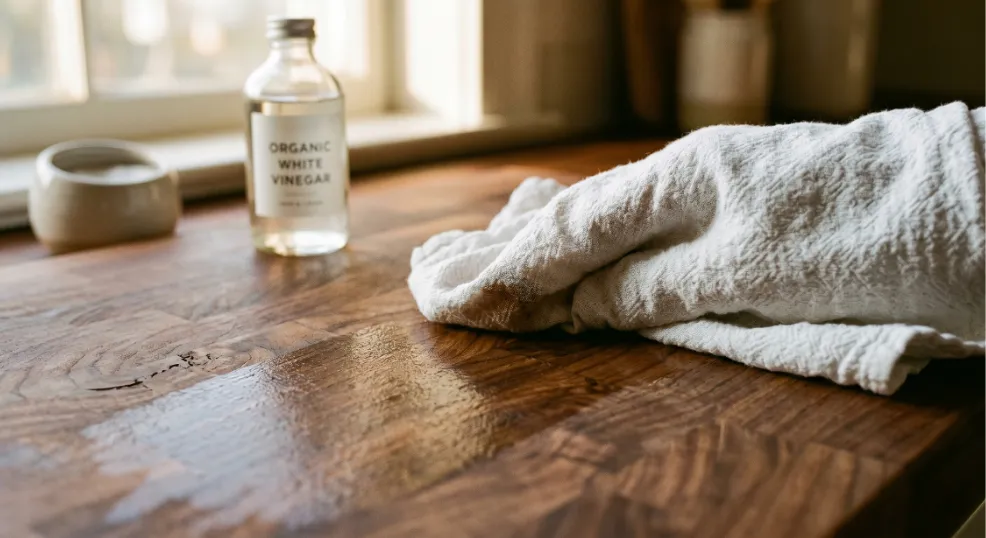
Soak a cloth or paper towel with straight white vinegar and wipe down every surface where you’ve seen ants moving—countertops, baseboards, windowsills, around the sink, and along any visible trail. The acetic acid in vinegar dissolves the pheromone trail instantly, leaving ants disoriented and buying you a clean window to act. Don’t rinse it; let it air-dry so the residual scent continues to confuse stragglers for a few hours.
2. Track Down Where They’re Actually Getting In
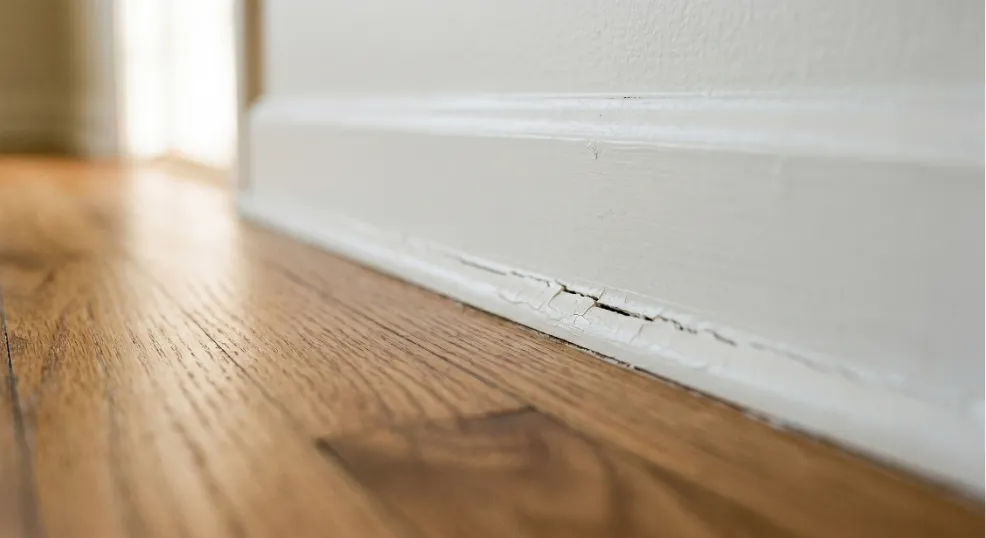
After wiping, step back and watch. Within 10–20 minutes, new scouts will appear—and they’ll head straight back to the same entry points. Look for tiny gaps around water pipes under the sink, hairline cracks in baseboards, gaps in door thresholds, or spots where old caulk has crumbled. Place a small piece of tape or just make a mental note: these are your bait stations. Placing bait randomly away from the trail is the single most common DIY mistake—precision placement is what separates a fix from a guessing game.
3. Mix One of These Three Penny Baits
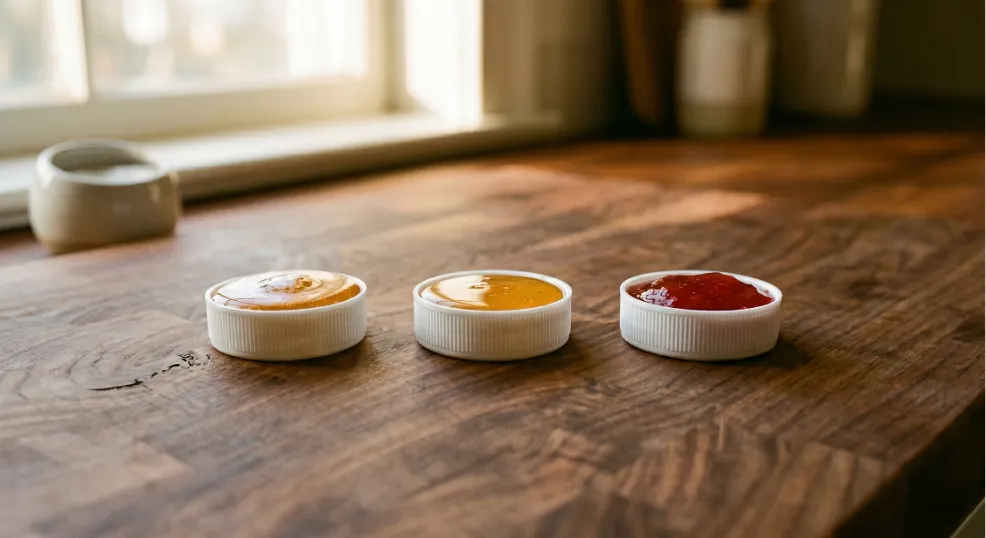
Choose your bait based on what’s in the house and who’s around:
Bait A — Borax + Sugar Syrup (Most Effective for Larger Trails): Mix 1 teaspoon of borax with 3 teaspoons of granulated sugar, then stir in just enough warm water to create a thick, pourable syrup. Borax works slowly on purpose—it disrupts ants’ digestive systems over 24–48 hours, giving workers time to carry it back and feed it to the colony and queen before they feel its effects.
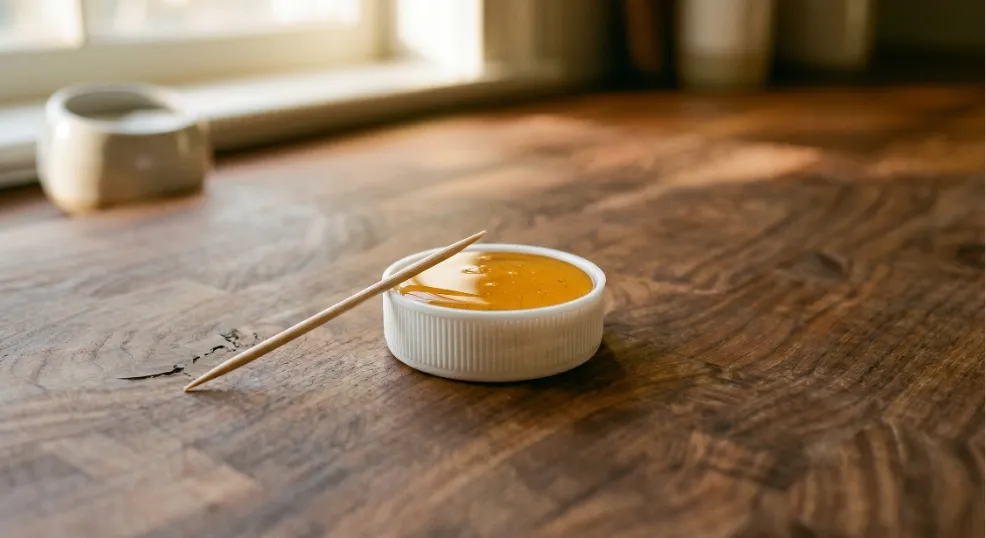
Bait B — Honey Only (Pet-Safe Households): A tiny smear of raw honey in a bottle cap. No borax, completely non-toxic. Slower, but safe if curious paws or little hands might find it.
Bait C — Jam or Corn Syrup (Use What You Have): A pea-sized dollop of strawberry jam or a drop of corn syrup on a bottle cap. Simple, no mixing required, and surprisingly effective for small sugar ant species.
4. Place Bait Directly on the Trail, Not Beside It
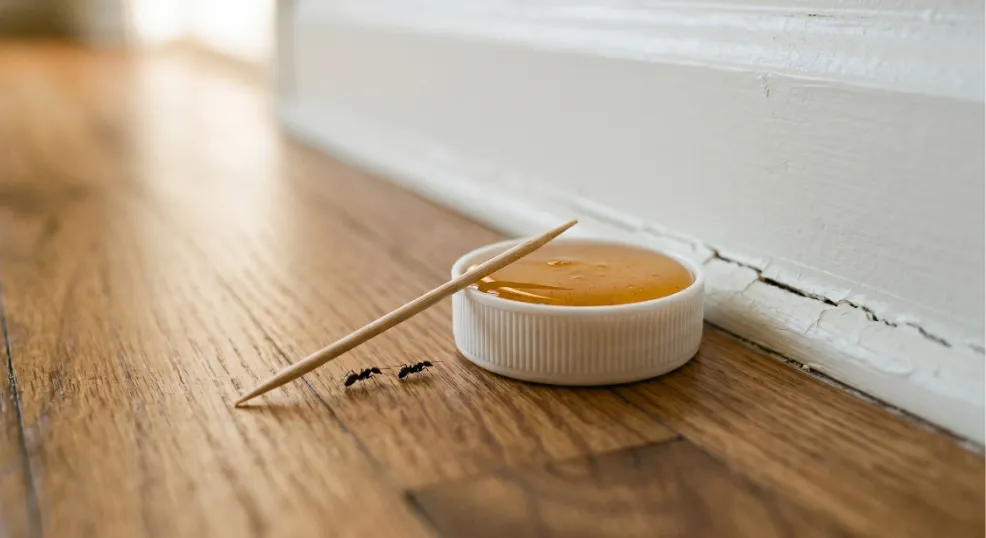
Set your filled bottle cap directly onto the ant trail or right at the entry point gap you marked. The critical rule: do not kill ants you see walking toward the bait. Every ant that feeds and returns to the colony is doing your work for you, carrying bait back to larvae and the queen. Killing them on contact is satisfying but counterproductive—it only removes the scouts, not the source.
5. Position for Safety, Then Give It Time
Slide caps behind the refrigerator, under the toe kick of cabinets, or along the back of the baseboard—anywhere a child or pet can’t easily reach. Then leave it alone for 2–4 hours. If you see ants actively feeding, that’s exactly what you want—resist the urge to interfere. If no ants appear within a couple of hours, nudge the cap 2–3 inches closer toward where you last saw the trail. The bait only works when it’s directly in the ants’ path.
The Bottle-Cap Bridge: Make Your Bait Station Actually Work
Here’s the detail most tutorials skip. If your liquid bait is pooling and ants are avoiding it, insert a toothpick into the bottle cap so one end leans against the wall or baseboard and the other end dips just into the surface of the bait. Ants are reluctant to cross open liquid—the toothpick acts as a clean landing bridge, guiding them straight to the syrup without the risk of drowning in it. It also keeps the bait contained and the setup intentional. Instead of a random smear on your floor, you now have something that looks—and functions—like an actual pest-control station.
Back to Normal by Tomorrow Morning
Give the bait 24–48 hours to work through the colony. Most homeowners with minor kitchen infestations see trail activity drop sharply within the first day. If activity continues past 72 hours, mix a fresh batch (liquid bait ferments and loses effectiveness quickly) and re-mark entry points. For persistent cases, a thin bead of fresh caulk along confirmed entry gaps is the final step—no gap, no invitation.