We’ve all been there—you spot something skittering across the kitchen floor, your toddler is playing nearby, and the dog is sniffing around the baseboards. The last thing you want is to grab a can of heavy-duty spray and wonder all week whether you made the right call. The fix is simpler than you think, and you don’t have to choose between effective and safe.
The Breakdown: Natural vs. Chemical Pest Control
Before you reach for anything under the sink, it helps to know exactly what the trade-offs are. While chemical sprays offer speed, natural methods excel in safety and long-term cost. Here is a quick breakdown to help you weigh your options:
| Factor | Natural Methods | Chemical Methods |
|---|---|---|
| Safety for Pets/Kids | Generally safe when used properly | Often requires evacuating home; toxic residue |
| Cost | $5-20 for supplies lasting months | $15-50 per application or service call |
| Effectiveness | Works well for mild to moderate problems; may take longer | Fast-acting for severe infestations |
| Environmental Impact | Minimal to none | Can harm beneficial insects and contaminate water |
| Resistance Issues | Pests rarely develop resistance | Pests increasingly resistant to chemicals |
| Reapplication | More frequent (weekly to monthly) | Less frequent (monthly to quarterly) |
| DIY-Friendly | Very easy—uses household items | Often requires protective equipment |
Your Rapid-Response Pest Control Toolkit
Before you treat anything, take stock of what you likely already have. Being resourceful here saves money and reduces the risk of over-applying anything.
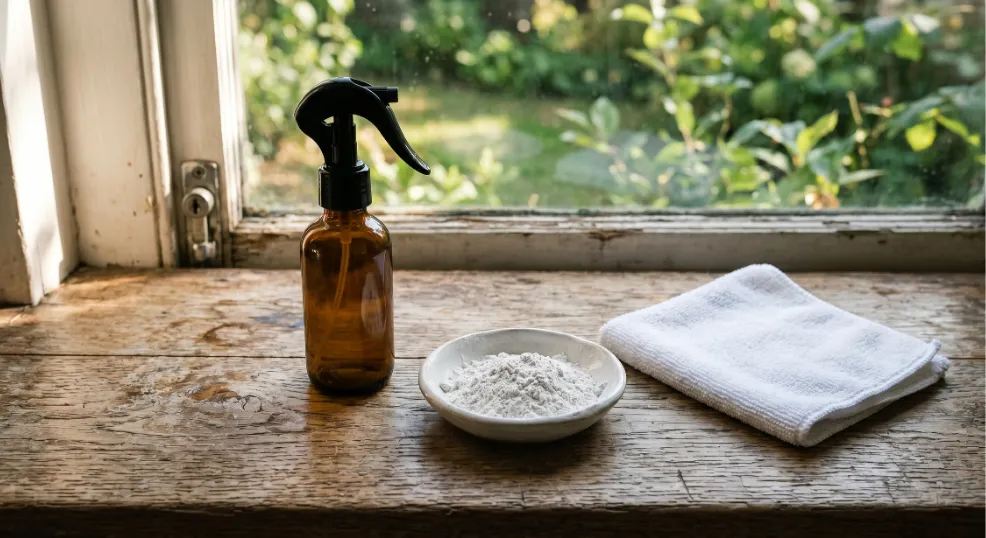
- Dish soap and warm water (spray bottle ready)
- Diatomaceous earth (food-grade)
- White vinegar or diluted peppermint essential oil
- Caulk gun and weatherstripping
- Sticky monitoring traps
- Microfiber cloths
The Integrated 5-Step Fix: Natural First, Chemical Only If Needed
The smartest approach isn’t purely natural or purely chemical—it’s layered. You start low-risk, target precisely, and only escalate if the problem persists. Here’s how that plays out in practice.
1. Cut Off the Invitation
Clear crumbs, pet food bowls, standing water, and any visible debris. Vacuum along baseboards and behind appliances where food particles accumulate. By removing attractants first, you reduce pest pressure before applying a single drop of anything—making every subsequent step more effective.
2. Wipe Out the Scent Trail
Ants and cockroaches navigate by pheromone trails left on surfaces. A quick wipe-down with warm soapy water disrupts those invisible highways, causing scouts to lose their route entirely—buying you time before a full colony mobilizes.
3. Targeted Spot Treatment at Entry Points Only
Mix a natural spray—1 tsp dish soap per quart of water, or 10 drops of peppermint oil in water—and apply only to confirmed entry points: door gaps, window sills, and pipe penetrations. For crawling insects like ants or silverfish, a light dusting of food-grade diatomaceous earth along baseboards works mechanically, not chemically, so there’s zero toxicity risk to kids or pets once it settles.
4. Seal the Access Points
Caulk gaps around pipes, patch torn screens, and push weatherstripping firmly back into door frames. This single step reduces re-infestation more reliably than any spray—natural or chemical—because it removes the entry, not just the pest.
5. Monitor, Then Reapply Only Where Needed
Place sticky traps near treated zones and check them at 48–72 hours. If activity drops, you’re done. If a specific spot still shows pressure, reapply the natural treatment there only—not everywhere. Precision reapplication keeps costs low and avoids building the environmental load that broad chemical spraying creates over time.
The One-Step Finish That Separates DIY from “Did a Pro Do This?”
Immediately after any spray treatment dries, make one pass with a barely damp microfiber cloth over treated surfaces. This lifts visible residue and streaks while leaving enough active ingredient in crevices to keep working. It protects your countertops and floors from long-term oil or soap buildup—and honestly, it just looks intentional.
Pick Your Method and Move Forward with Confidence
For most household pest problems—ants, spiders, occasional roaches—a natural-first integrated approach is genuinely effective, costs a fraction of professional chemical treatment, and keeps your family and pets out of harm’s way.
Start with the five steps above, stay consistent, and you’ll see results within a week. If you’re looking for more safe and easy recipes to keep your home bug-free, check out 15 Natural DIY Pest Control Methods That Actually Work (No Harsh Chemicals!)