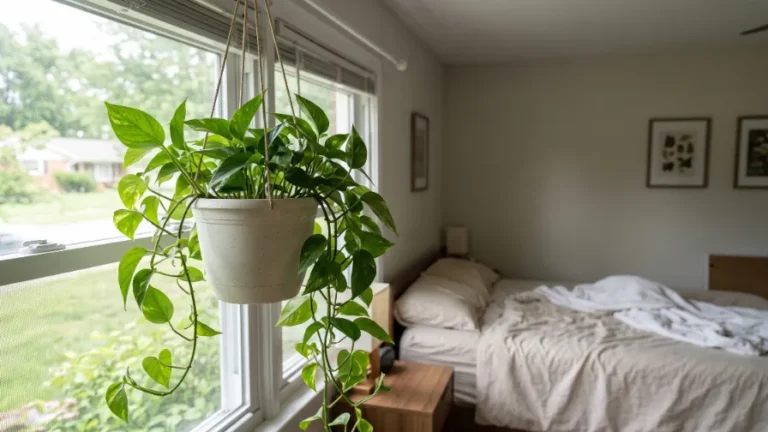
Small bedroom plant ideas start with one crucial question. Where can greenery go without making the room feel like a tight storage closet? You want a fresh, leafy oasis, not a humid jungle you have to squeeze past in the dark.
Think of this process as careful space planning rather than just shopping for foliage. Once you map out your dedicated zones, transforming your room becomes an easy weekend project.
Start With a Clear Walkway
Before you place a single terra cotta pot, look closely at how you move through the room. Trace the daily route between your bed, the door, the closet, and the bathroom. This invisible path is sacred ground in a small space.
Keep bulky plant stands, heavy pots, and trailing foliage completely out of that walking path. If a trailing vine makes you turn sideways to reach your closet, it is sitting in the wrong spot. Prioritize your comfort and mobility first.
Corners Are Your Best Unused Real Estate
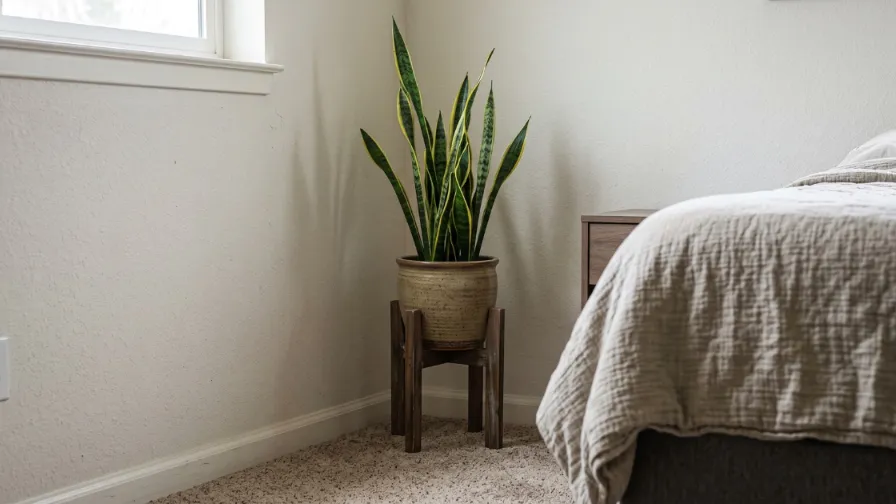
Empty corners offer the absolute easiest win in a small bedroom layout. They naturally sit outside your main walking routes, keeping your space functional. A leafy addition here adds vibrant life without costing you a single inch of valuable floor space.
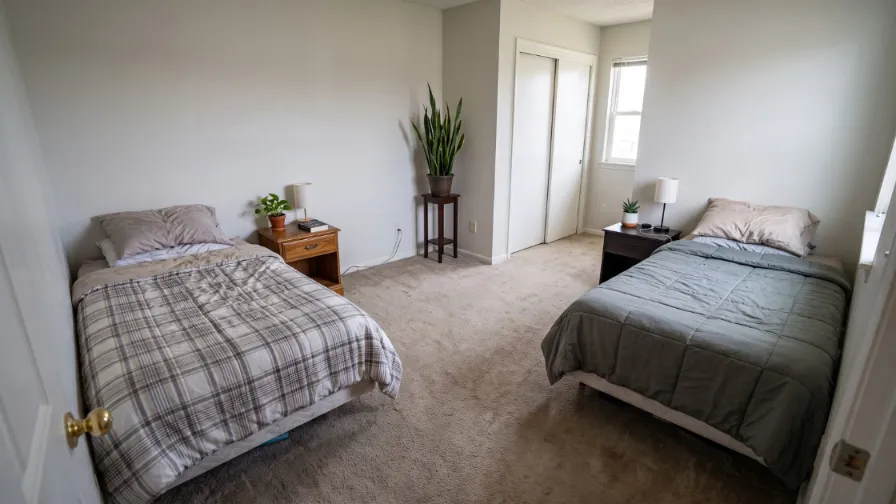
Tall, narrow plants like snake plants suit these tight corners perfectly. Some compact upright houseplants require a footprint of less than 12 inches (30 cm), making them highly space-efficient. You can even build a simple scrap-wood plant stand for under $10 to elevate a smaller pot.
Furniture Surfaces for Greenery
Flat furniture surfaces are perfect for greenery because the heavy furniture is already sitting right there. You are simply borrowing existing space you already own rather than bringing in new clutter.
Nightstands and Dressers: Small Footprint, Big Payoff
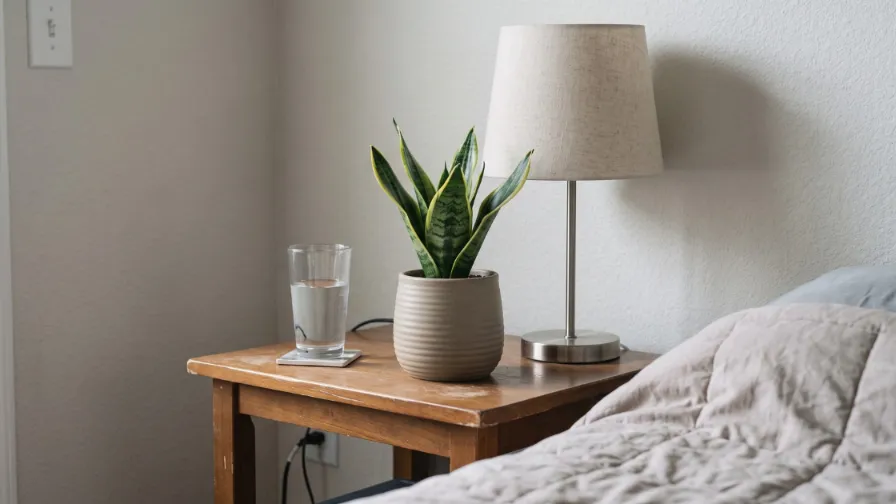
Your nightstand is prime real estate for a cheerful morning greeting. Compact upright plants work best here to keep the area functional. Keep it strictly to one small plant so you still have room for a lamp, your phone, and a glass of water.
Dresser Plant Styling
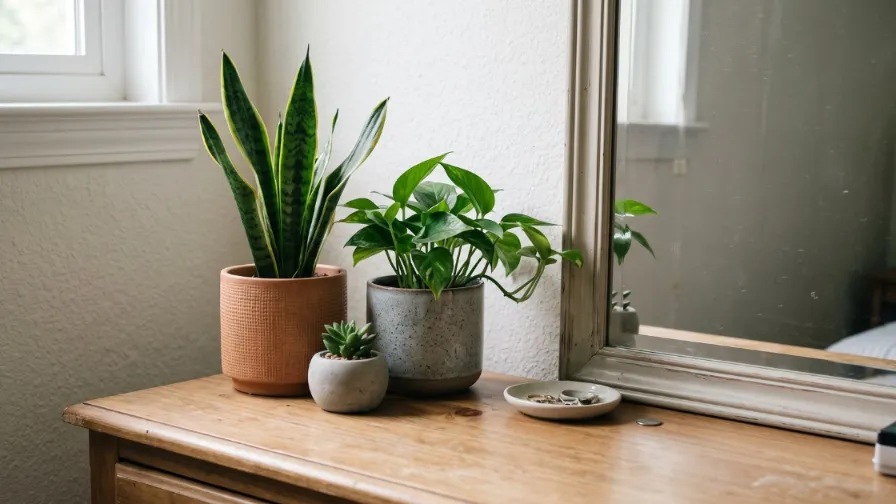
A dresser top gives you much more room to play with styling and composition. Group two or three pots by height, placing the tallest at the back. This clever arrangement ensures they read as one tidy, intentional cluster instead of scattered clutter.
Window Zones and Natural Light
Windows provide the vital sunlight your new leafy friends crave. However, managing the space around your glass is crucial for keeping your bedroom functional and breathable.
Windowsills: A Display Zone, Not a Dumping Ground
Windowsills look like the ultimate perfect plant spot, but they become cluttered very fast. Many DIYers report their sills turning into messy, overcrowded jungles after bringing home just a few extra pots. Treat this area as a curated display zone rather than a storage shelf.
Set a strict maximum number of pots for your sill space. You must ensure you can still easily open the window and move your curtains freely. A great budget hack is to use small, upcycled yogurt glass jars for propagating cuttings here.
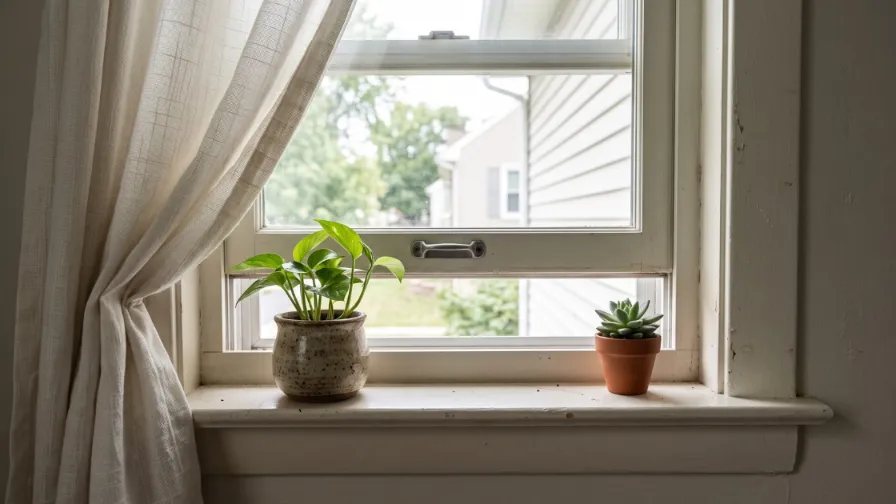
Keep your precious plants safely away from harsh heaters and air vents. Blasting airflow and sudden temperature drops make a sill a very tough neighborhood for sensitive foliage.
The Under-Window Zone
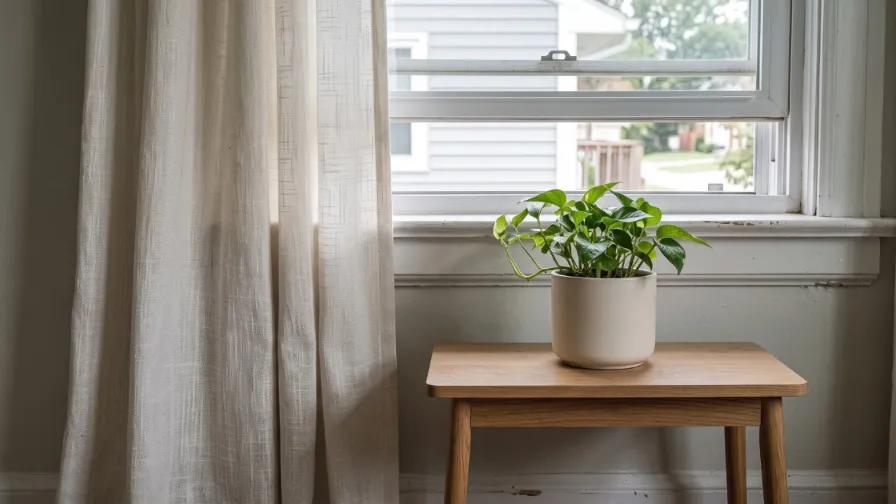
The floor or low furniture resting directly below a window is a brilliant spot people often overlook. A low thrifted bench, a narrow DIY ledge, or a small floor spot can hold a substantial plant safely. This gives your plant great light without crowding the valuable sill space above.
Keep the foliage safely away from your bed path and clear of any curtains that might brush the pots. Humidity control truly matters here, so skip crowding several plants tightly against the drywall or window glass.
The EPA recommends keeping indoor relative humidity between 30% and 50%, and strictly below 60%. Higher moisture levels over time can cause serious condensation and mold risk, especially near heavy curtains.
Protect Your Furniture With a Water Catchment
Every single plant zone in your bedroom needs a highly reliable waterproof catchment. Use a saucer, a plastic tray, or an upcycled plate under each pot to protect wood, carpet, and rental surfaces. Water rings ruin antique dressers faster than you might think.
Proper drainage holes are fantastic for plant health, but they will leak muddy water onto your furniture if you skip the saucer. Always double-check your drainage setup before you place a freshly watered plant anywhere. For an eco-friendly budget hack, hunt for vintage ceramic plates at local thrift stores for under $2 to use as stylish catchments.
Layouts for Real Small Spaces
Seeing how these guidelines apply to actual rooms makes the planning phase much easier. Here is how the zones come together beautifully in three common living setups.
Studio Apartment Bedroom Layout
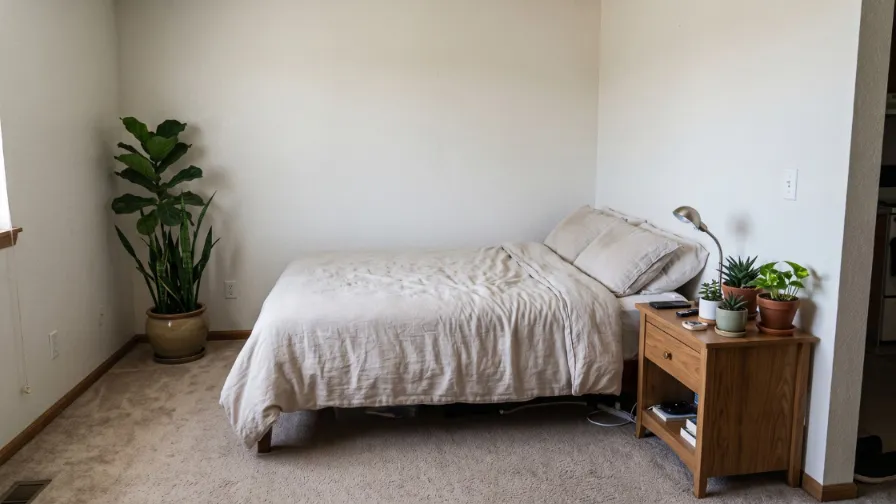
In a studio apartment, your bed area shares tight square footage with absolutely everything else. Use one tall corner plant and one small nightstand cluster to clearly mark the sleep zone. This defines your resting space naturally without adding bulky room dividers.
Dorm Room Plant Placement
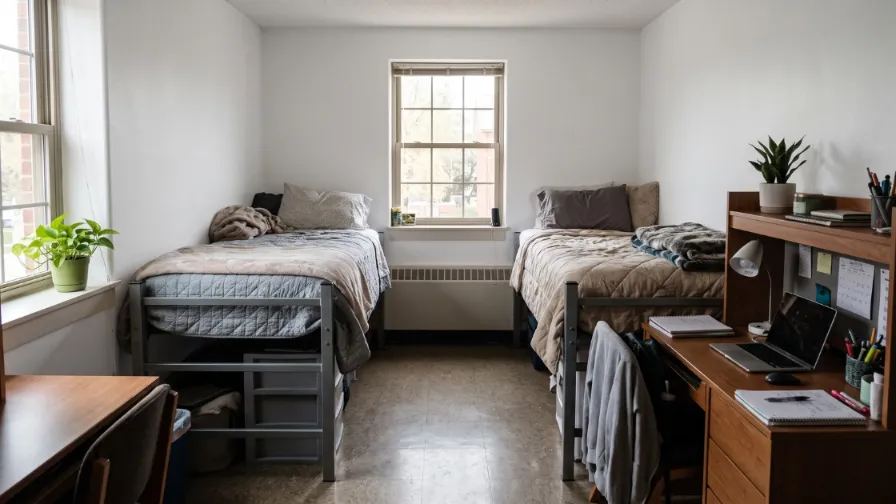
Dorm rooms offer very little surface space and demand high functionality. Stick to a single desk plant or windowsill succulent to keep things manageable. Keep everything strictly inside your own side of the room to respect your roommate’s space.
Shared Bedroom Plant Ideas
When two people share a small bedroom, planning is everything. Create one shared plant zone, like a corner stand or the main dresser, and allow one small personal spot each. This keeps the room feeling fair and stops the visual clutter from multiplying overnight.
Grow Your Space Beautifully
Adding greenery to a small bedroom does not have to mean sacrificing your precious personal space. By intentionally picking just two or three dedicated plant zones, you create a calm, breathable environment. Leave the rest of your surfaces completely empty on purpose to let the room breathe.